

Addiction & Mental Health Treatment at Alpine Recovery Lodge
Alpine Recovery Lodge is a private treatment center for adults in Alpine, Utah. We help with addiction, mental health, trauma, and dual diagnosis. Dual diagnosis means having both addiction and mental health needs. Care includes detox, residential treatment, day treatment (PHP), intensive outpatient care (IOP), and aftercare.
Last updated:
Alpine Recovery Lodge works with many major insurance providers. Our admissions team can privately verify your benefits, explain your estimated coverage, and help you understand your options before you commit.
Coverage, authorization requirements, and out-of-pocket costs depend on your individual plan. Review cost and insurance information.
Quick answer
What is Alpine Recovery Lodge?
Alpine Recovery Lodge helps adults with addiction and mental health needs. Our team offers therapy, a daily routine, family support, and help planning the next step.
Trust & clarity
Private, structured care with a clear next step
Families often come to Alpine because they are overwhelmed, unsure what level of care is needed, or worried that things are getting worse. The first step is not pressure. The first step is a clear conversation.

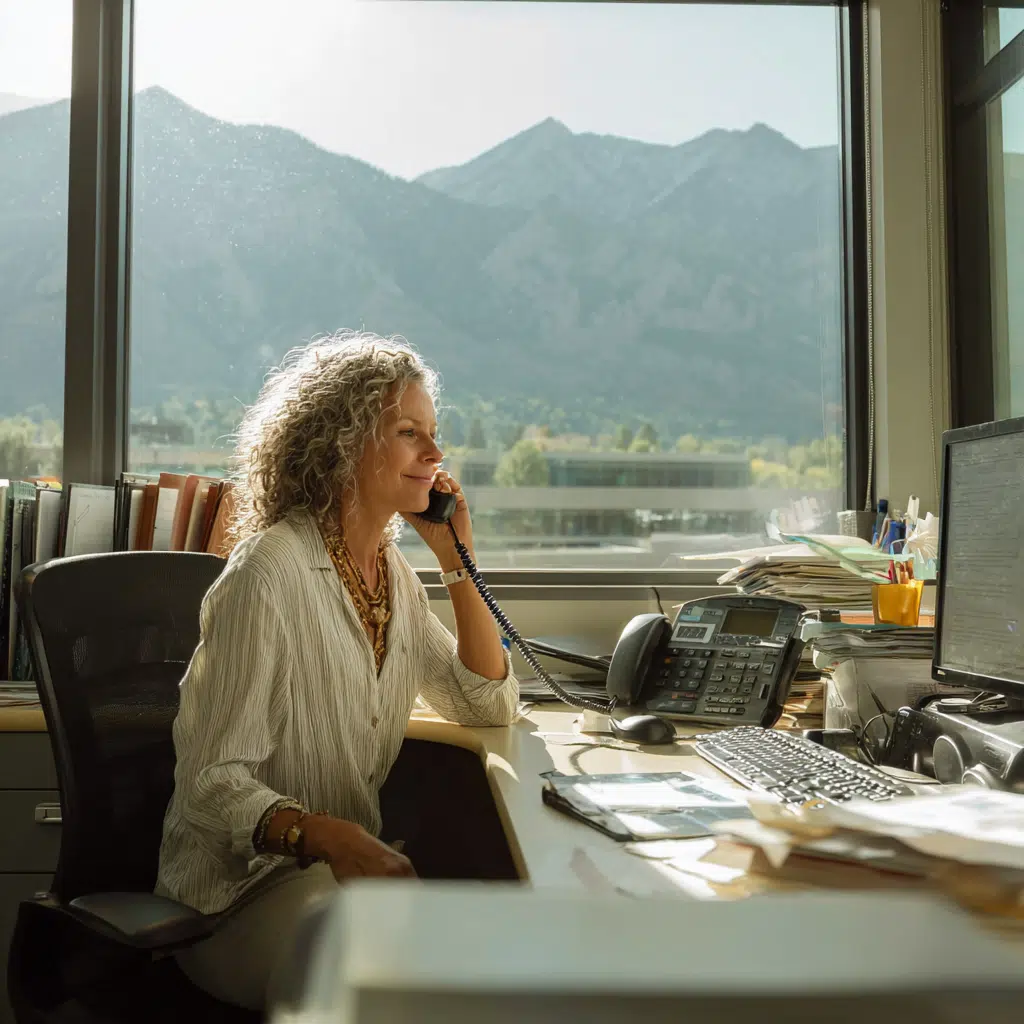
Who we help
Alpine helps adults who need more than willpower or a quick reset
You may need help when drug use, drinking, or mental health symptoms disrupt daily life. This can affect your health, safety, work, or family. Our team can help you explore care options.
People who feel stuck
You may know something needs to change, but you are not sure whether you need detox, residential treatment, PHP, IOP, or outpatient care.
Families who are worried
You may be seeing warning signs, repeated promises to stop, emotional volatility, isolation, or relapse after previous attempts at change.
Adults with both addiction and mental health concerns
Many clients need treatment that addresses substance use and mental health together, not as separate problems.
What we treat
Addiction, mental health, trauma, and dual diagnosis care
Explore care for substance use, mental health concerns, trauma, and co-occurring conditions. Each program page explains who it serves, what treatment includes, and how to take the next step.
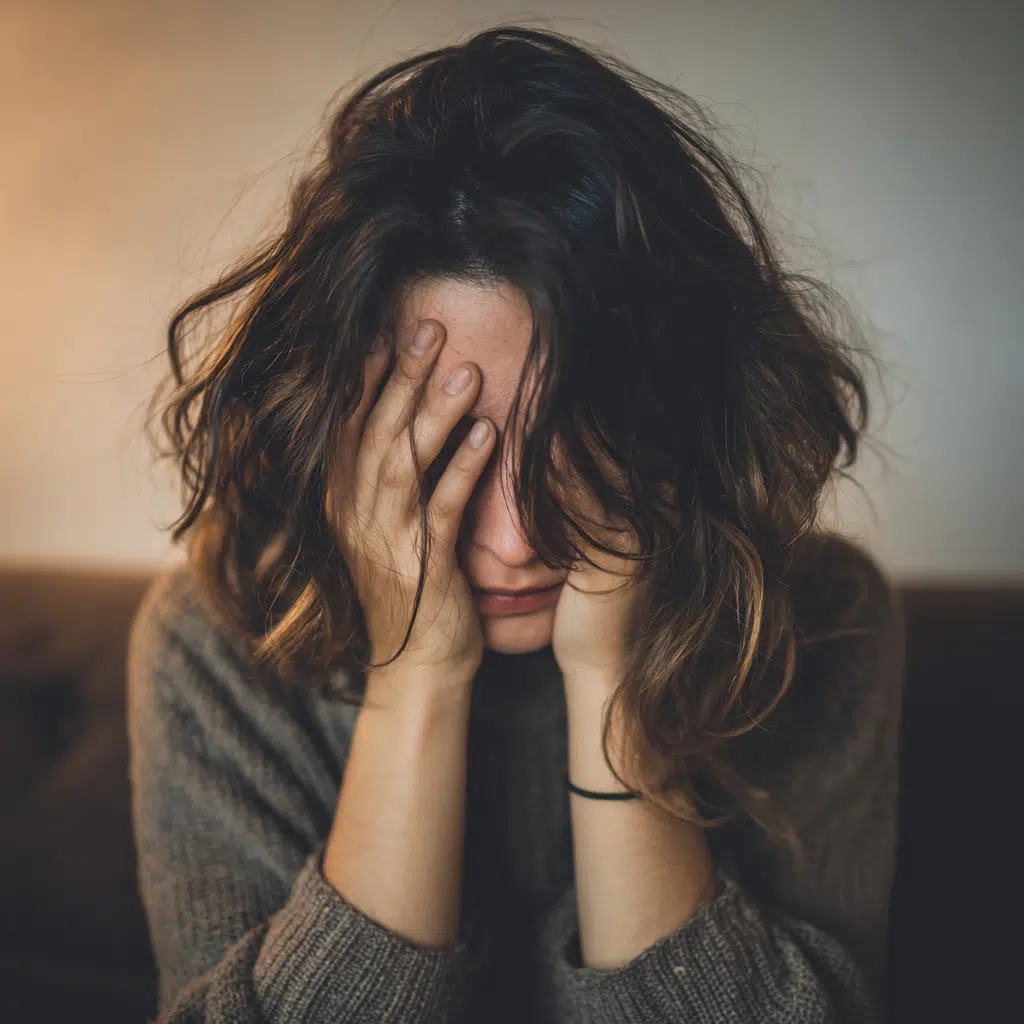
Substance Abuse Treatment
Structured treatment for alcohol, drug use, relapse patterns, cravings, and the emotional cycle that keeps substance use going.
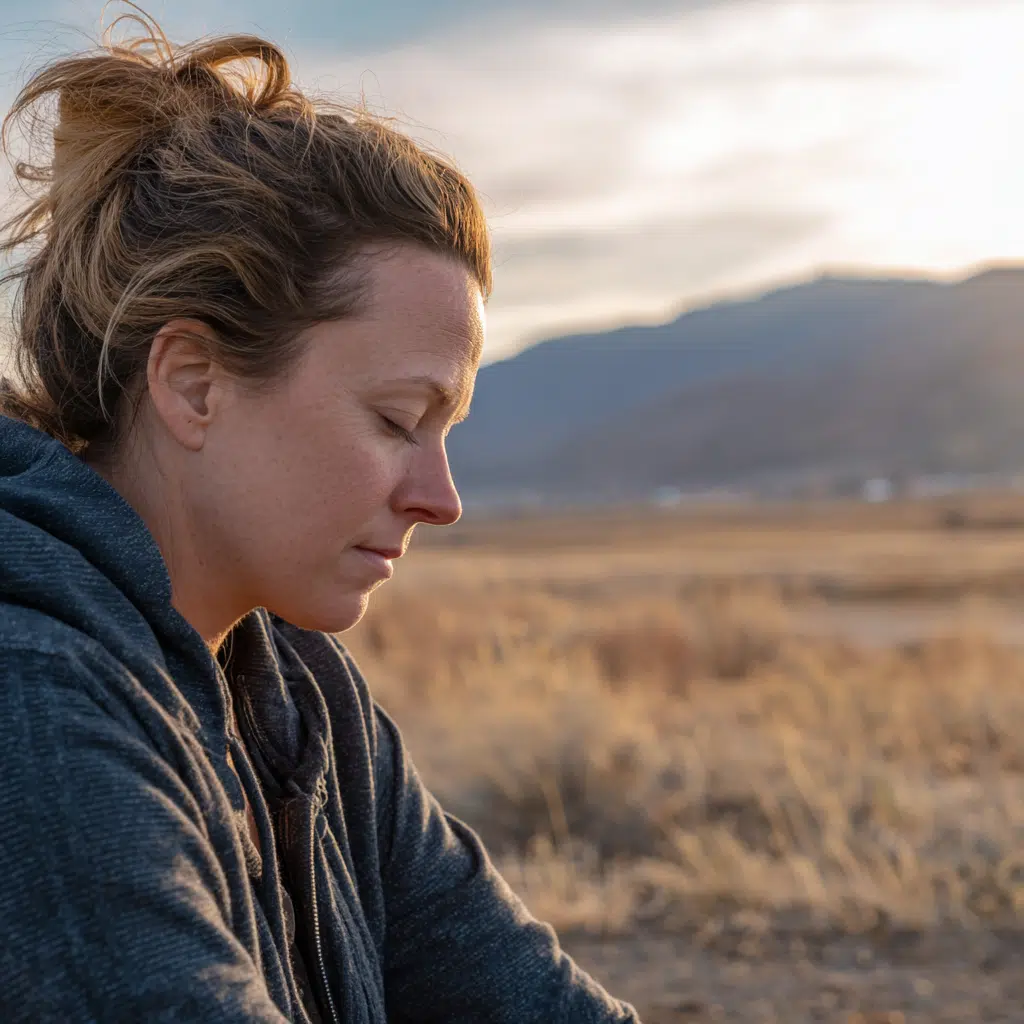
Mental Health Treatment
Help with anxiety, depression, stress, mood changes, and emotions that feel hard to manage.
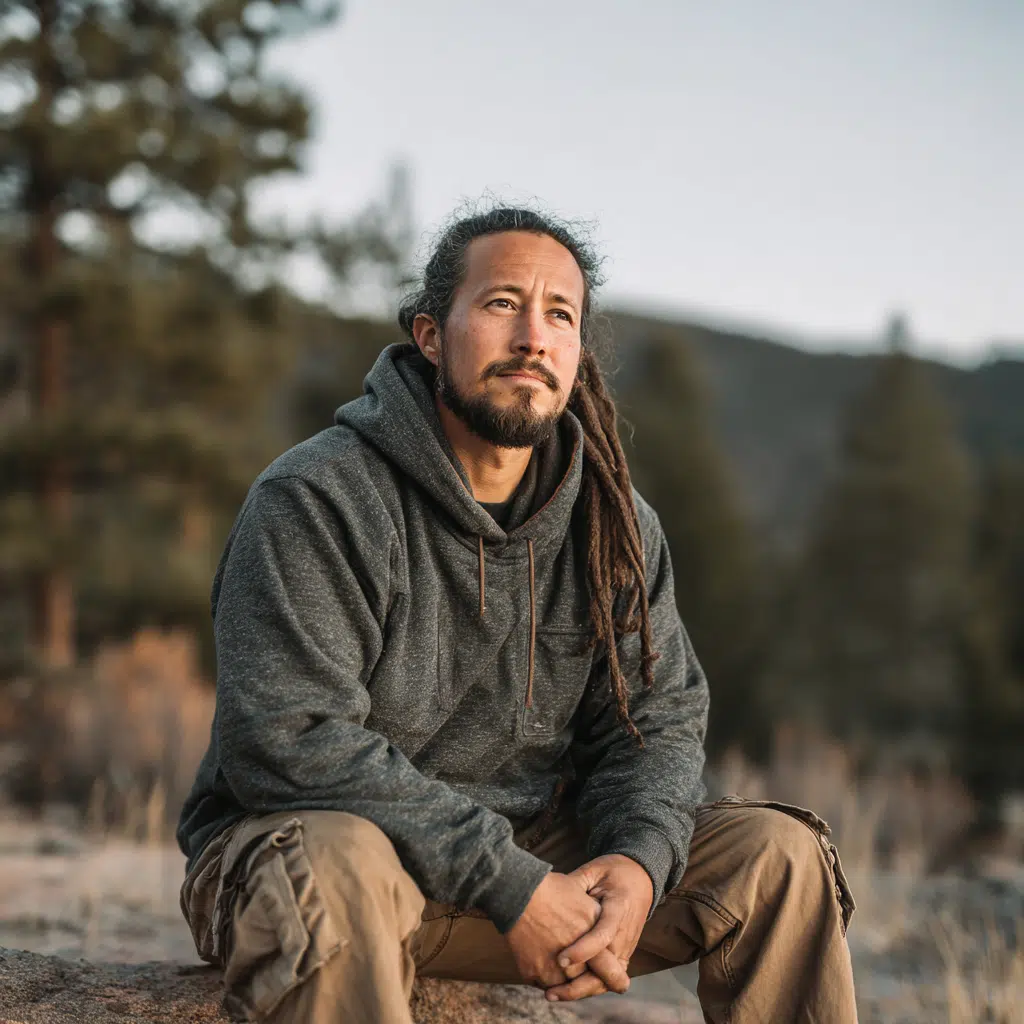

Trauma Treatment
Trauma-informed support for people whose past experiences still affect emotional safety, relationships, and recovery.
Levels of care
Care options at Alpine Recovery Lodge
Comparing drug and alcohol rehab in Utah? Our residential treatment program in Alpine, Utah provides a place to live with 24/7 structure during care. If you are searching for inpatient drug rehab, admissions can explain residential care and help determine whether your needs require a different medical setting. PHP and IOP offer scheduled treatment without residential admission. Program fit depends on an individual clinical assessment.
The right care depends on your needs. Some people need a place to live during treatment. Others attend care during the day. Our admissions team can explain the choices.
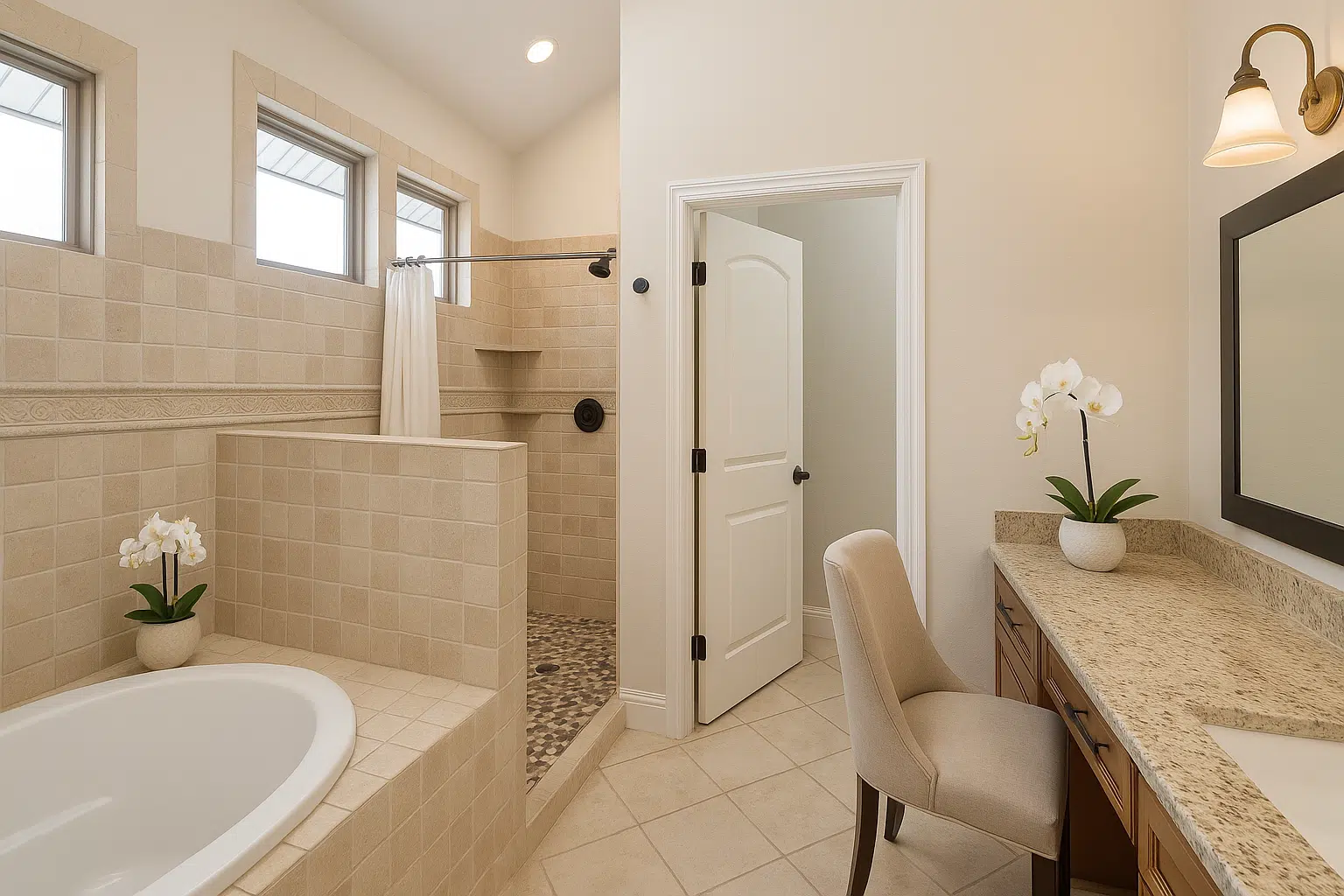
Detox
Support for stabilization, early withdrawal concerns, comfort, monitoring, and planning the next level of care.
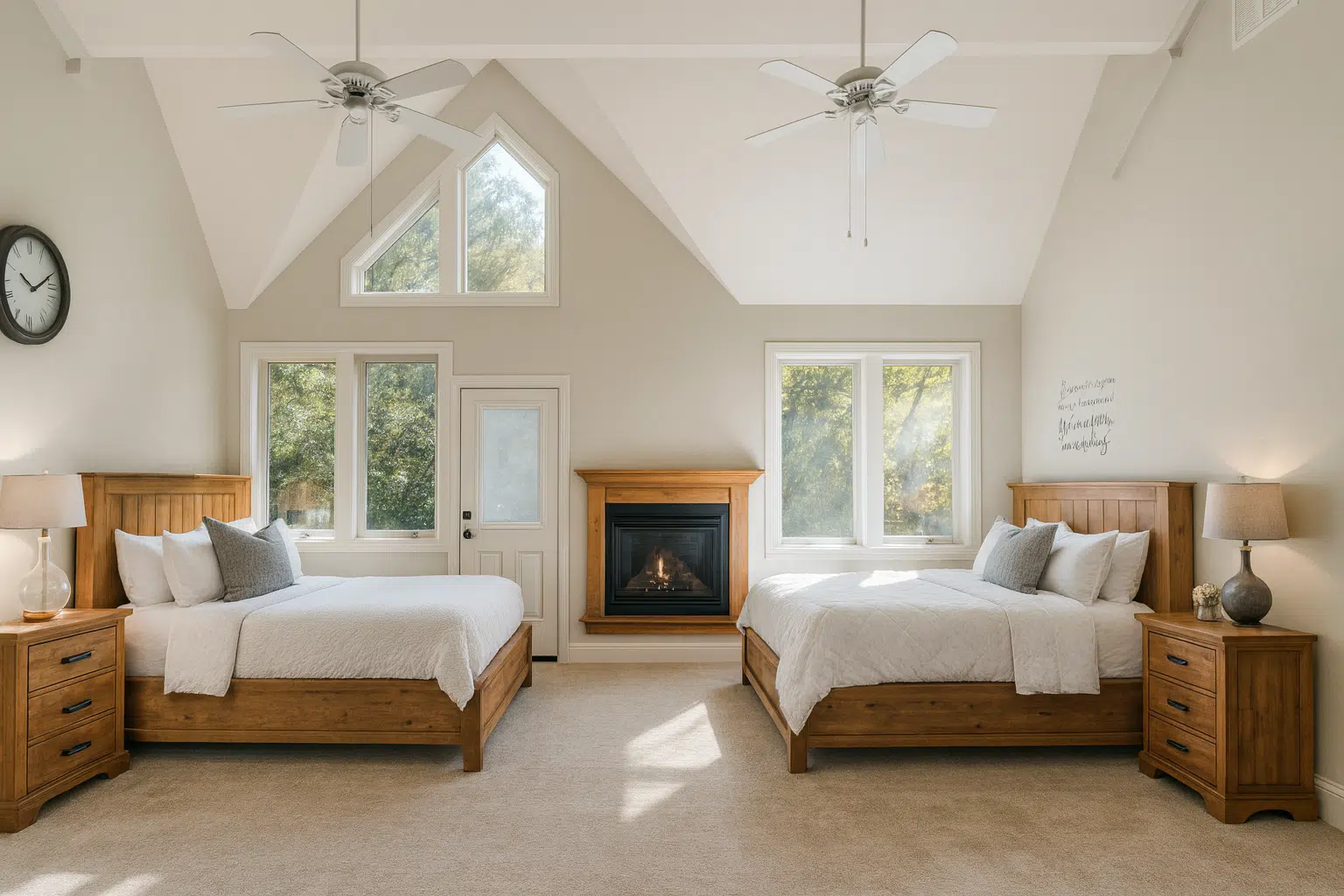
Residential Treatment / RTC
24/7 structure, therapy, routine, emotional safety, and a stronger foundation away from everyday triggers.
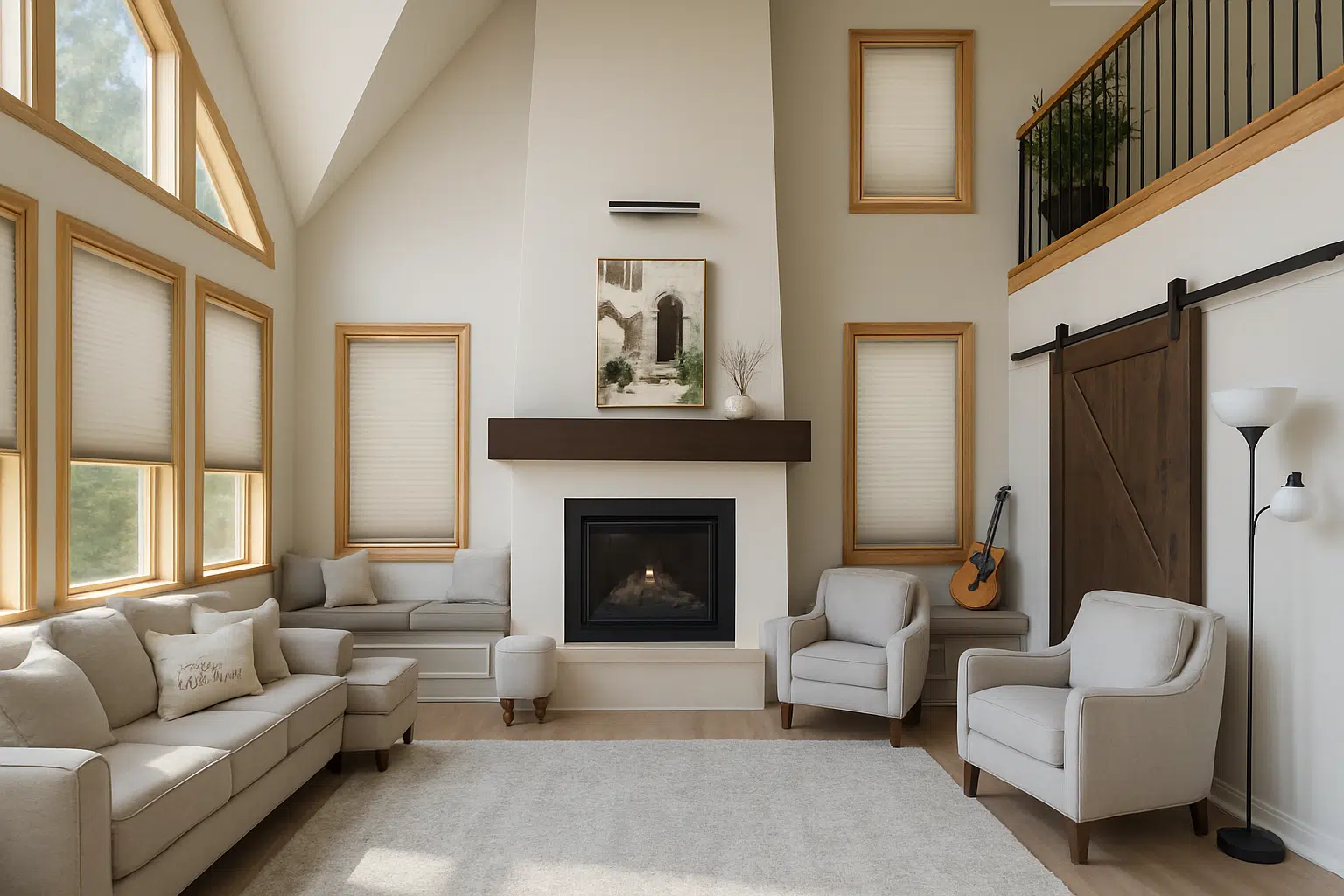
PHP / Day Treatment
Intensive daytime treatment for people who need strong structure with more flexibility than residential care.
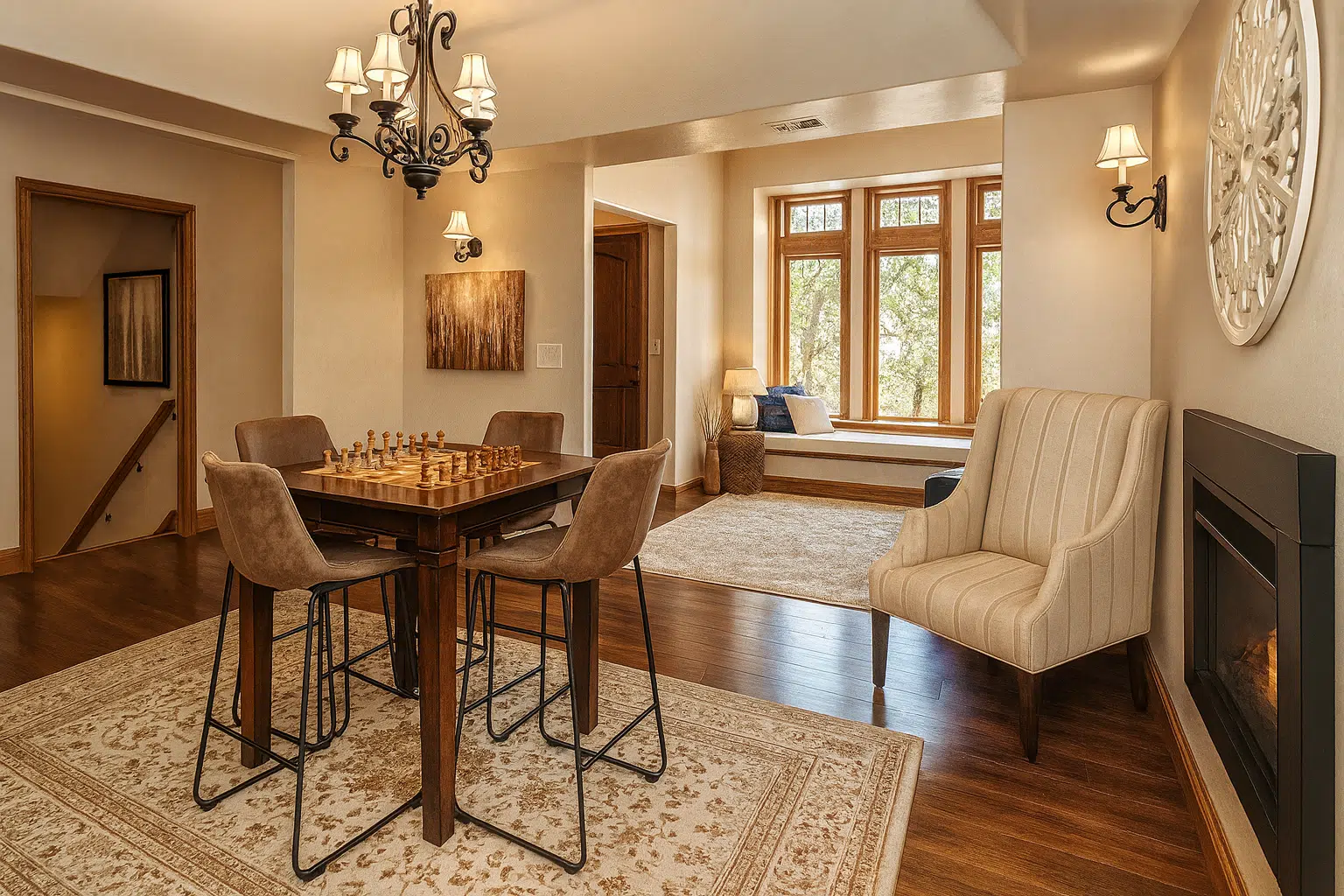
IOP
Ongoing accountability, therapy, skill practice, and support while balancing real-life responsibilities.
| Care option | Best fit | Primary purpose | Learn more |
|---|---|---|---|
| Detox | Someone who may need support stopping alcohol or drugs safely. | Stabilization, comfort, monitoring, and planning the next level of care. | Detox |
| Residential Treatment / RTC | Someone who needs 24/7 structure away from triggers and daily chaos. | Therapy, routine, skill-building, safety, and a strong recovery foundation. | Residential Treatment |
| PHP / Day Treatment | Someone who needs intensive daytime treatment with more flexibility than residential care. | Daily clinical structure, relapse prevention, coping skills, and step-down support. | PHP / Day Treatment |
| IOP | Someone who needs ongoing treatment while balancing work, school, or family life. | Continued accountability, therapy, skill practice, and real-life recovery support. | IOP |
| Outpatient Drug Rehab | Someone who needs flexible support but does not require the intensity of PHP or IOP. | Ongoing therapy, recovery planning, and support while living at home. | Outpatient Drug Rehab |
| Aftercare & Alumni | Someone who has completed a higher level of care and needs continued connection. | Long-term support, relapse prevention, community, and continued recovery structure. | Aftercare & Alumni |
Why families choose Alpine
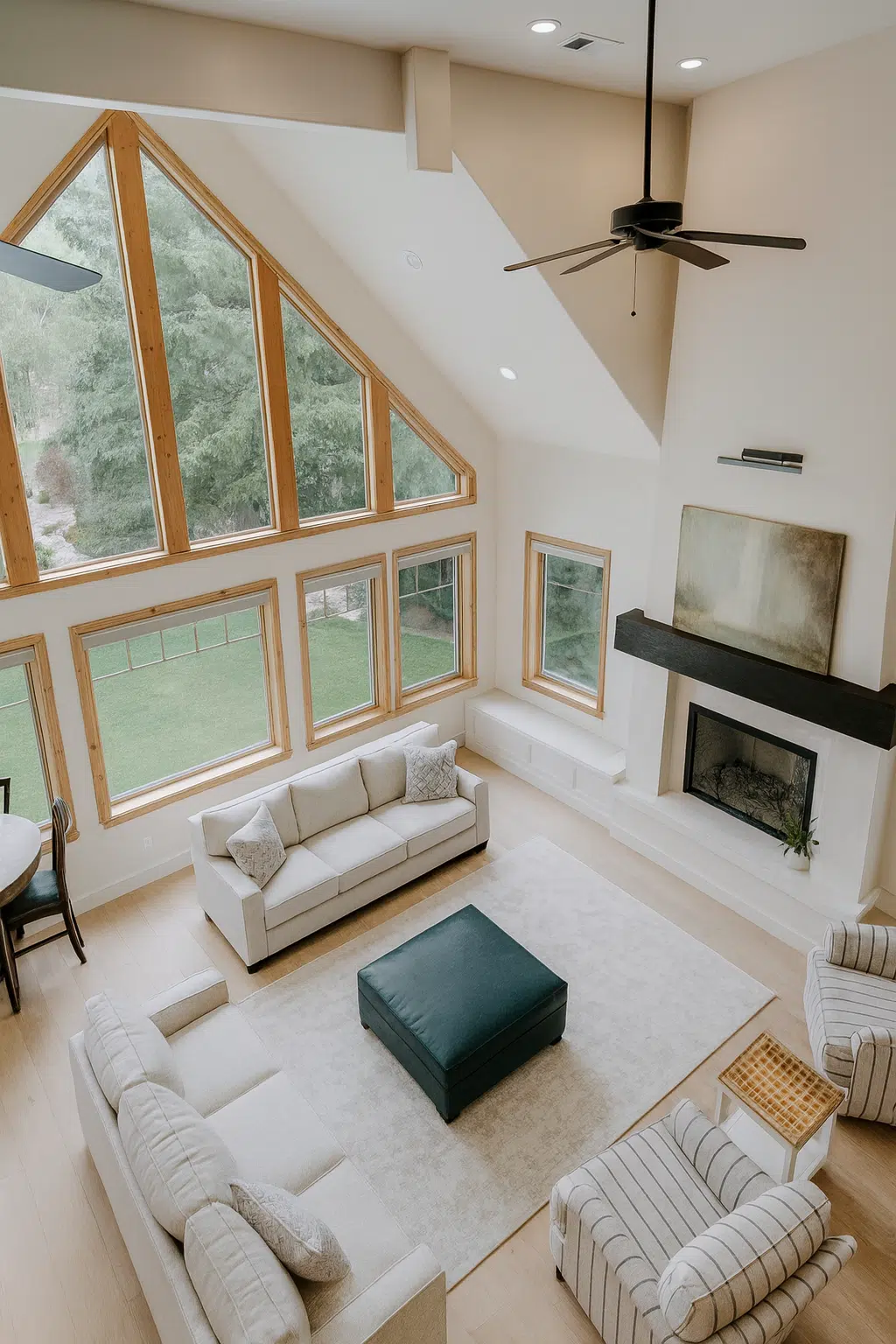
A calmer, more personal treatment experience
Families choose Alpine Recovery Lodge because the program is structured, private, and supportive without feeling cold or institutional. The goal is to help clients stabilize, learn practical recovery skills, and feel supported enough to keep taking the next step.
Private setting
A quieter, more focused environment away from daily triggers and stressors.
Structured care
Predictable days, clinical support, groups, individual work, family involvement, and recovery planning.
Guidance even if Alpine is not the right fit
Admissions can still help you understand your options and what level of care may make sense.
What happens first
Starting treatment begins with clarity, not pressure
You do not need to know exactly what level of care is right before you call. The first conversation is designed to help you understand options, insurance, safety needs, timing, and whether Alpine Recovery Lodge may be a good fit.
Reach out privately
Call, verify insurance, or submit the admissions form. You can ask questions, explain what is happening, and get guidance without pressure to commit.
Review insurance and program fit
Admissions can verify benefits, explain estimated coverage, review clinical needs, and help determine whether detox, residential, PHP, IOP, or another option makes sense.
Plan the next step
If Alpine is a fit, the team helps you understand timing, what to bring, arrival details, and what the first day will look like.

Why this works
Structure, skills, support, and step-down care make recovery easier to follow
Treatment can help you build a steady routine and learn new skills. You can practice ways to handle stress, cravings, and relationships. Your team helps you plan how to use these skills after treatment.

A steady daily routine
Consistent scheduling, therapy, group work, and accountability help reduce chaos and build emotional stability.
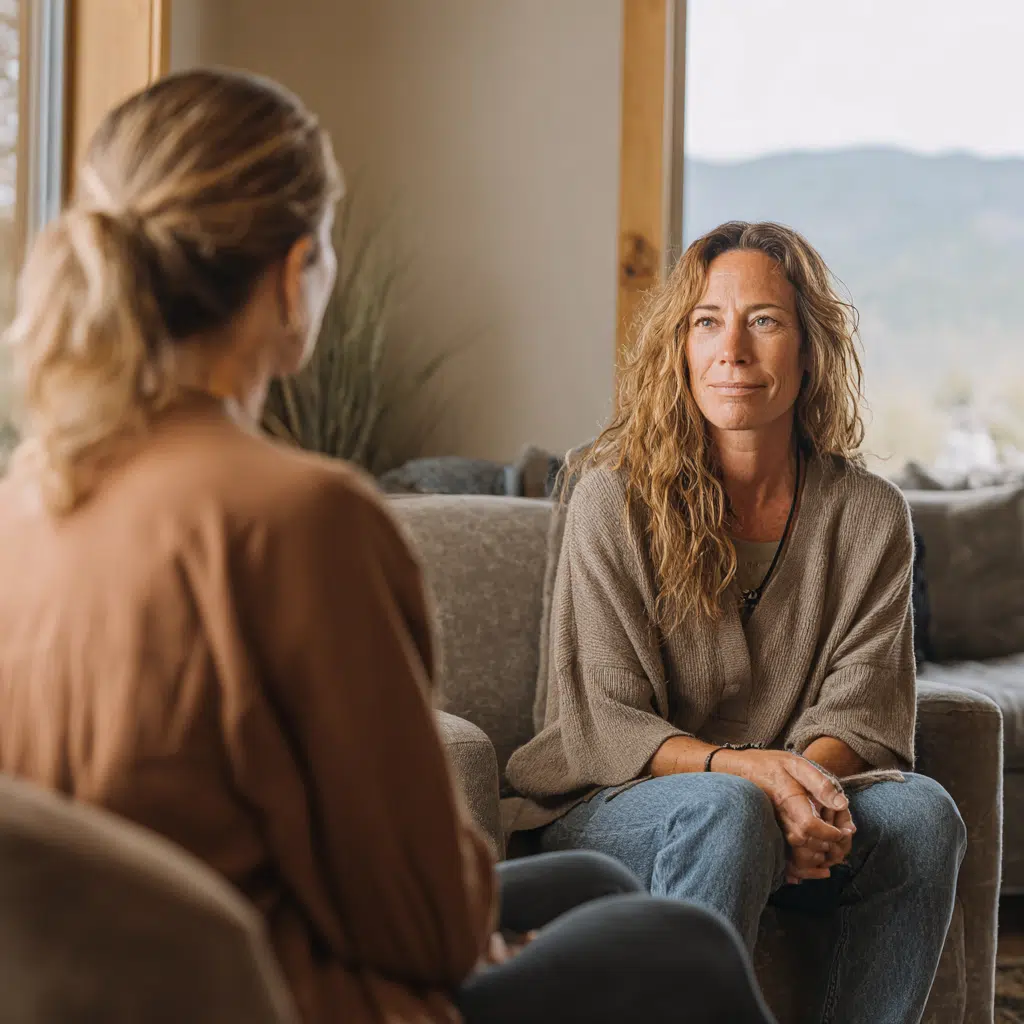
A plan built around you
Treatment planning should reflect the person’s history, symptoms, goals, relapse risk, and support system.
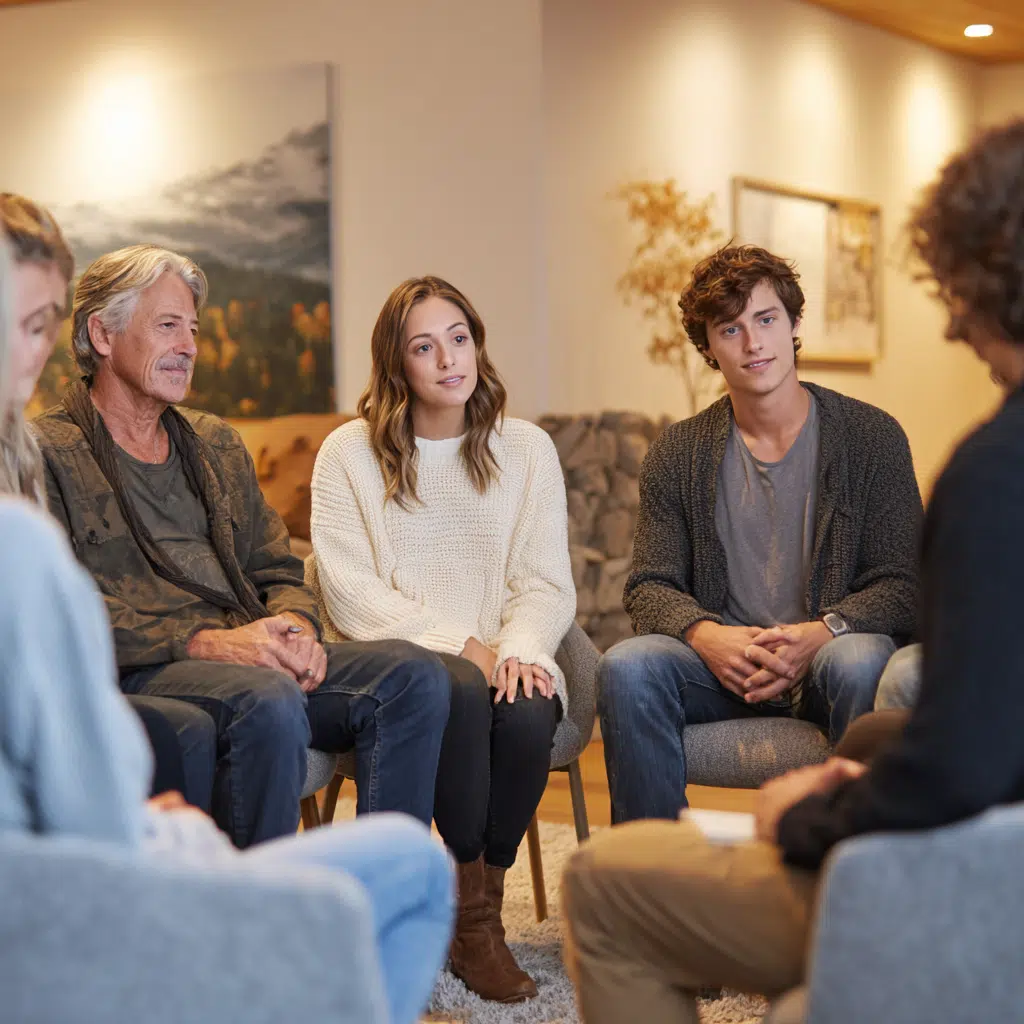
Family involvement
Families often need education, guidance, boundaries, and communication support so recovery does not happen in isolation.
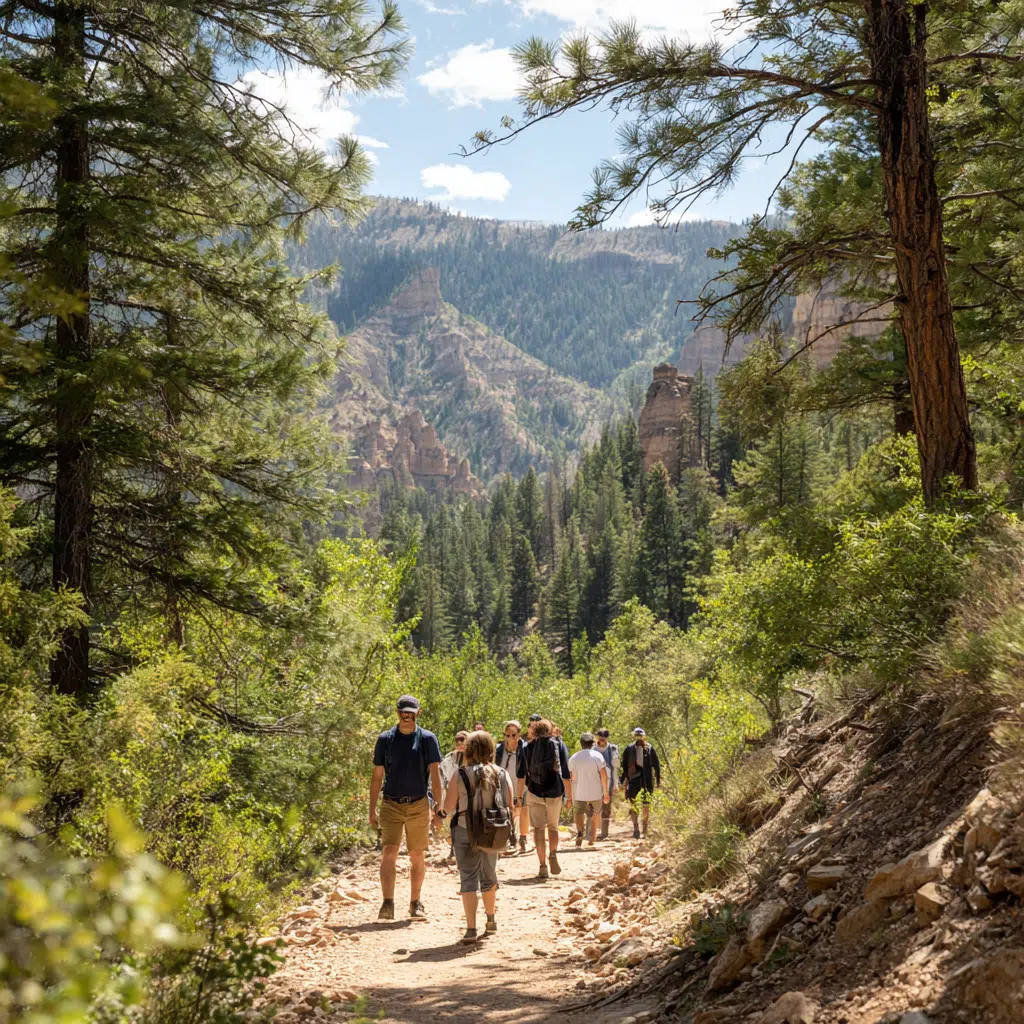
Support for daily life
Wellness, connection, movement, recovery education, and structured activities support emotional balance.
Why this is easier than staying stuck
Staying stuck often means repeating the same cycle: trying to stop, feeling overwhelmed, promising things will change, and then slipping back into the same pattern. Treatment gives the person and the family a clear structure, a team, and a safer plan.
Reaching out does not mean you have everything figured out. It simply means you are ready to get clear answers and stop carrying the decision alone.
If this sounds like you
You may be closer to needing help than you think
Many people wait because they are afraid treatment will be too disruptive, too expensive, too intense, or too final. A confidential admissions conversation can help you understand what is actually needed and what options may be available.
You are worried about yourself
- You have tried to stop or cut back but cannot stay consistent.
- Your mental health symptoms are getting harder to manage.
- You are functioning on the outside but struggling privately.
- You are not sure if detox, residential, PHP, IOP, or outpatient care fits.
You are worried about someone you love
- You keep seeing the same cycle repeat.
- You are afraid of saying the wrong thing.
- You need help understanding urgency, safety, and treatment options.
- You want guidance before things get worse.
What should I do next?
Choose the path that fits where you are right now
Start with the question that matters most to you. You can compare care options, ask about admission, or check insurance benefits.
I’m not sure what level of care I need
Start with admissions. The team can help you compare detox, residential, PHP, IOP, outpatient care, and aftercare.
I’m ready to talk to admissions
Call or submit the admissions form to review fit, availability, timing, and what happens before arrival.
I want to check insurance first
Verify benefits privately before making a decision. You can understand estimated coverage and options first.
This feels urgent
Call now for immediate guidance. If there is immediate danger or a medical emergency, call 911 or go to the nearest emergency room.
If someone is in immediate danger, experiencing a medical emergency, at risk of harming themselves or someone else, or has severe withdrawal symptoms, call 911 or go to the nearest emergency room.
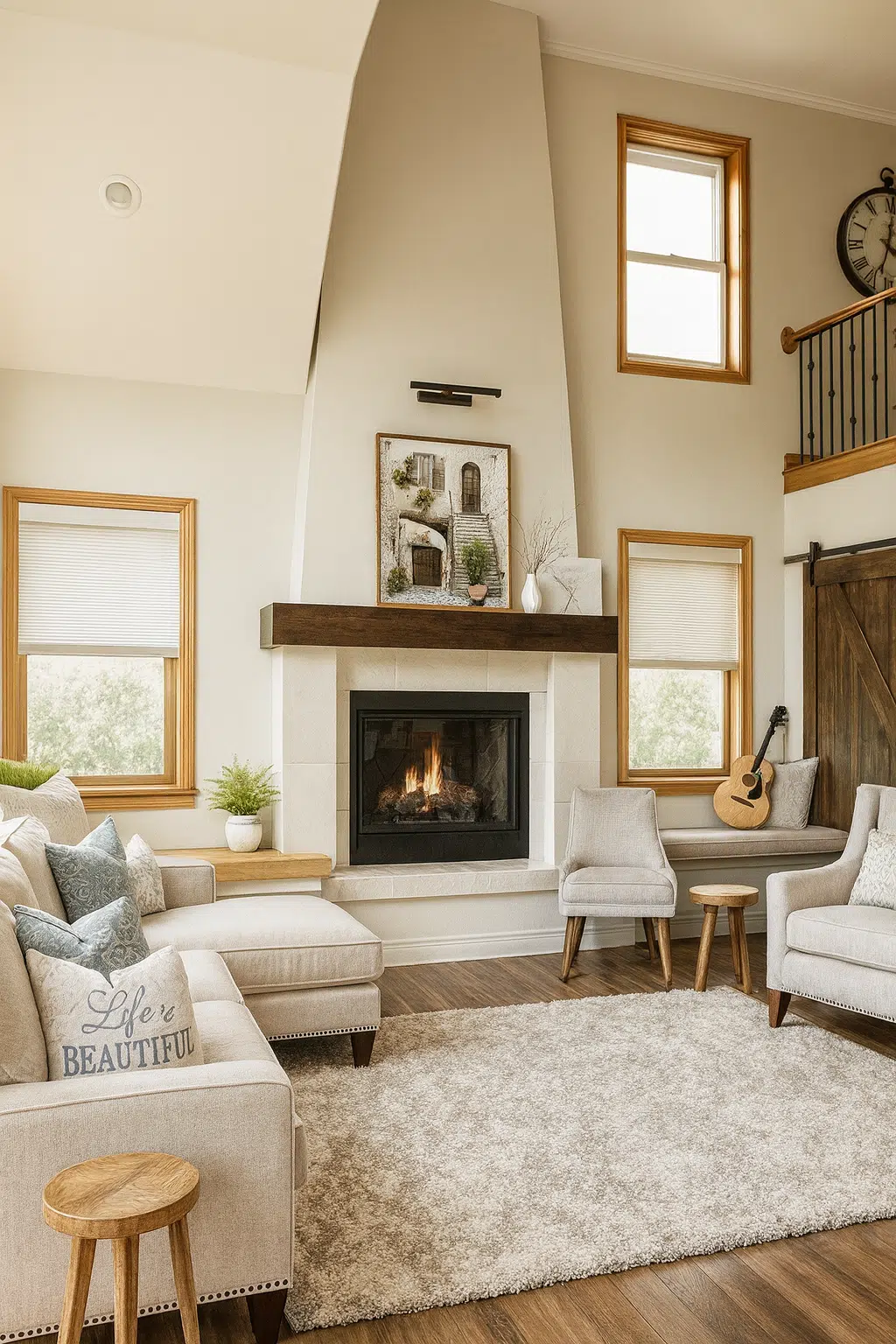
What happens after you reach out
You will know the next step before you commit
The goal of admissions is to reduce confusion. Alpine Recovery Lodge can help you understand fit, benefits, timing, arrival details, and what the first day may look like before you make a final decision.
We listen first
You explain what is happening, what has changed, what you are worried about, and what kind of help you are looking for.
We help you understand options
Admissions explains whether Alpine may be appropriate and which level of care may fit based on safety, symptoms, support, and goals.
We help you prepare
If Alpine is a fit, the team explains what to bring, when to arrive, insurance next steps, and what happens during the first 24 hours.
Real-world proof
What makes Alpine Recovery Lodge different
Alpine Recovery Lodge is a private treatment center with structured care, a calm setting, clinical support, family involvement, trauma-informed care, DBT-informed skills, and a full continuum from stabilization through aftercare.
Private setting
A calm lodge-style environment designed to feel supportive, structured, and human.
Care at each stage
Detox, residential treatment, PHP/day treatment, IOP, outpatient drug rehab, and aftercare support.
Clinical and medical leadership
Care is supported by medical and clinical professionals who help guide safety, planning, and therapeutic quality.
DBT-informed skills
Practical recovery tools for emotion regulation, distress tolerance, mindfulness, boundaries, and communication.
Family support
Families receive guidance and education so they can better understand treatment, communication, and next steps.
Low-pressure admissions
If Alpine is not the right fit, the team can still help you understand what kind of support may be appropriate.
Printable guide
How to Know What Kind of Help to Ask For
Use this quick guide before calling admissions, talking with a loved one, or comparing treatment options.
Ask these 6 questions
- Is there immediate danger, severe withdrawal, or a medical emergency?
- Has the person tried to stop but keeps returning to use?
- Are mental health symptoms making daily life harder?
- Is the home environment safe and supportive enough for outpatient care?
- Does the person need 24/7 structure, daytime structure, or flexible support?
- Would insurance verification help the family understand options before deciding?
Simple next-step guide
- Call 911: immediate danger, severe medical symptoms, or risk of harm.
- Ask about detox: stopping substances may be unsafe or symptoms are concerning.
- Ask about residential treatment: home is not stable enough and 24/7 structure is needed.
- Ask about PHP or IOP: intensive therapy is needed with more flexibility.
- Verify insurance: cost and benefits are a major concern before deciding.
FAQ
Common questions about Alpine Recovery Lodge
What does Alpine Recovery Lodge treat?
Is Alpine Recovery Lodge only a residential treatment center?
Can Alpine help if I do not know what level of care I need?
Does Alpine Recovery Lodge accept insurance?
What happens first when I contact admissions?
Does Alpine provide dual diagnosis treatment?
Is Alpine Recovery Lodge a good fit for families who are overwhelmed?
What should I do if the situation feels urgent?
Explore Alpine Recovery Lodge
Helpful treatment and admissions pages
Find details about treatment, insurance, admissions, and support after rehab.
You do not have to figure this out alone
Whether you are ready for treatment, checking insurance first, or simply trying to understand what level of care makes sense, Alpine Recovery Lodge can help you take the next step with clarity.
Most major insurance plans accepted. Private verification. Clear next steps. No pressure to commit.

Destination treatment in Utah
Why do people travel to Alpine Recovery Lodge in Utah for treatment?
Many people choose Alpine Recovery Lodge as a destination treatment program in Utah because distance from daily triggers, stress, and unhealthy routines can make it easier to focus on recovery.
Why Utah can help recovery feel calmer
- Distance from unhealthy routines and familiar triggers
- A quieter, lower-distraction environment
- Natural surroundings that support calm and focus
- A slower pace that can help reduce stress during early recovery
Who destination treatment may help
Destination treatment may be a good fit for adults who need space from their everyday environment and benefit from structure, privacy, routine, and fewer outside distractions.
Travel and admissions support
Alpine Recovery Lodge works with clients from Utah and out of state. Our admissions team can help explain arrival timing, what to bring, insurance verification, and what to expect when you get here.
Care team
Who leads care at Alpine Recovery Lodge?
Care at Alpine Recovery Lodge is supported by medical, clinical, admissions, and program leadership. The team works together to support safety, structure, individualized care, and clear communication throughout treatment.
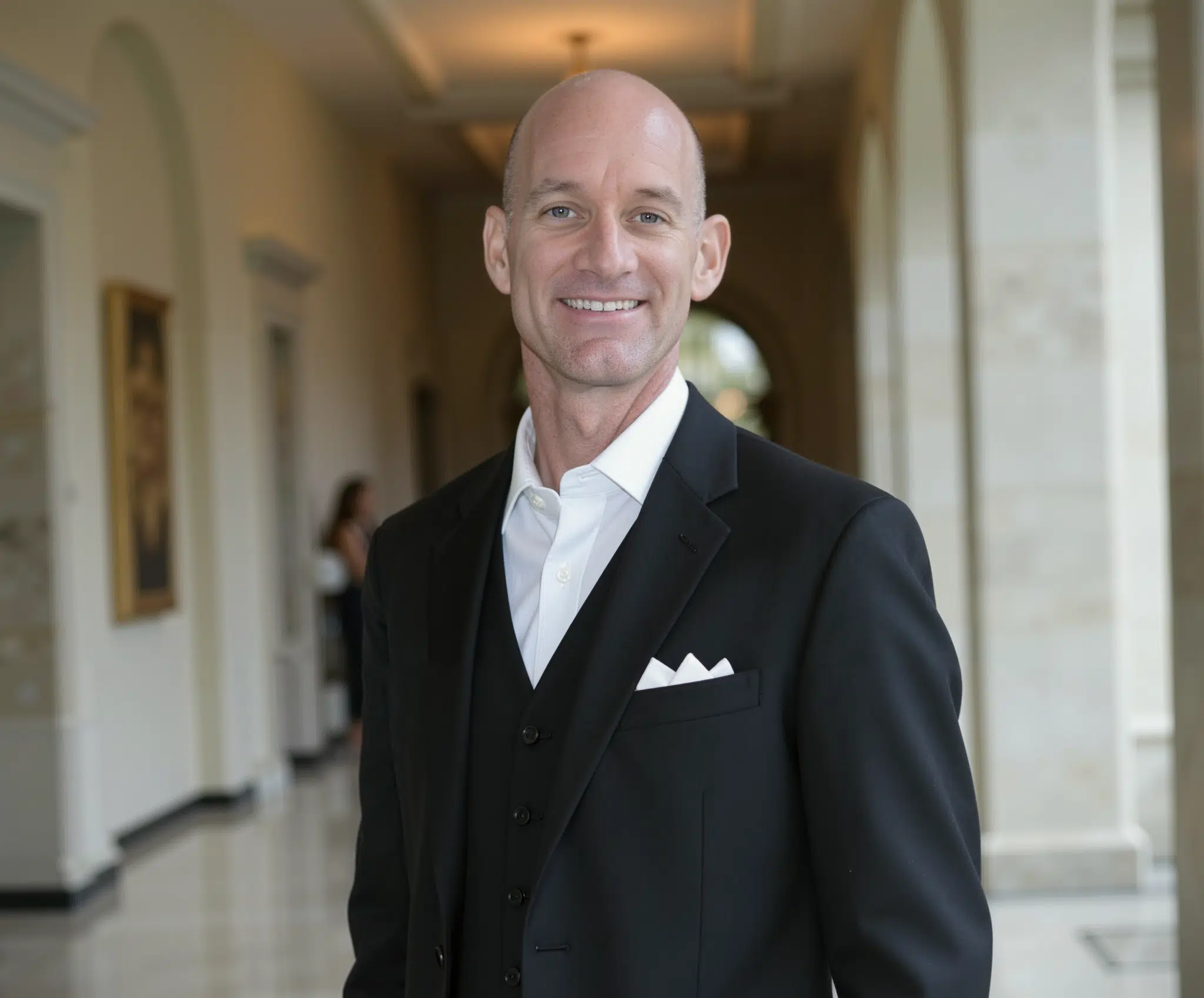
Hans Watson, DO
Medical Director
Medical leadership helps guide safety, care quality, and treatment coordination in a supportive, non-institutional setting.

Donald Harline, MD
Medical Physician
Medical support helps clients feel safer and more supported while they stabilize and participate in treatment.
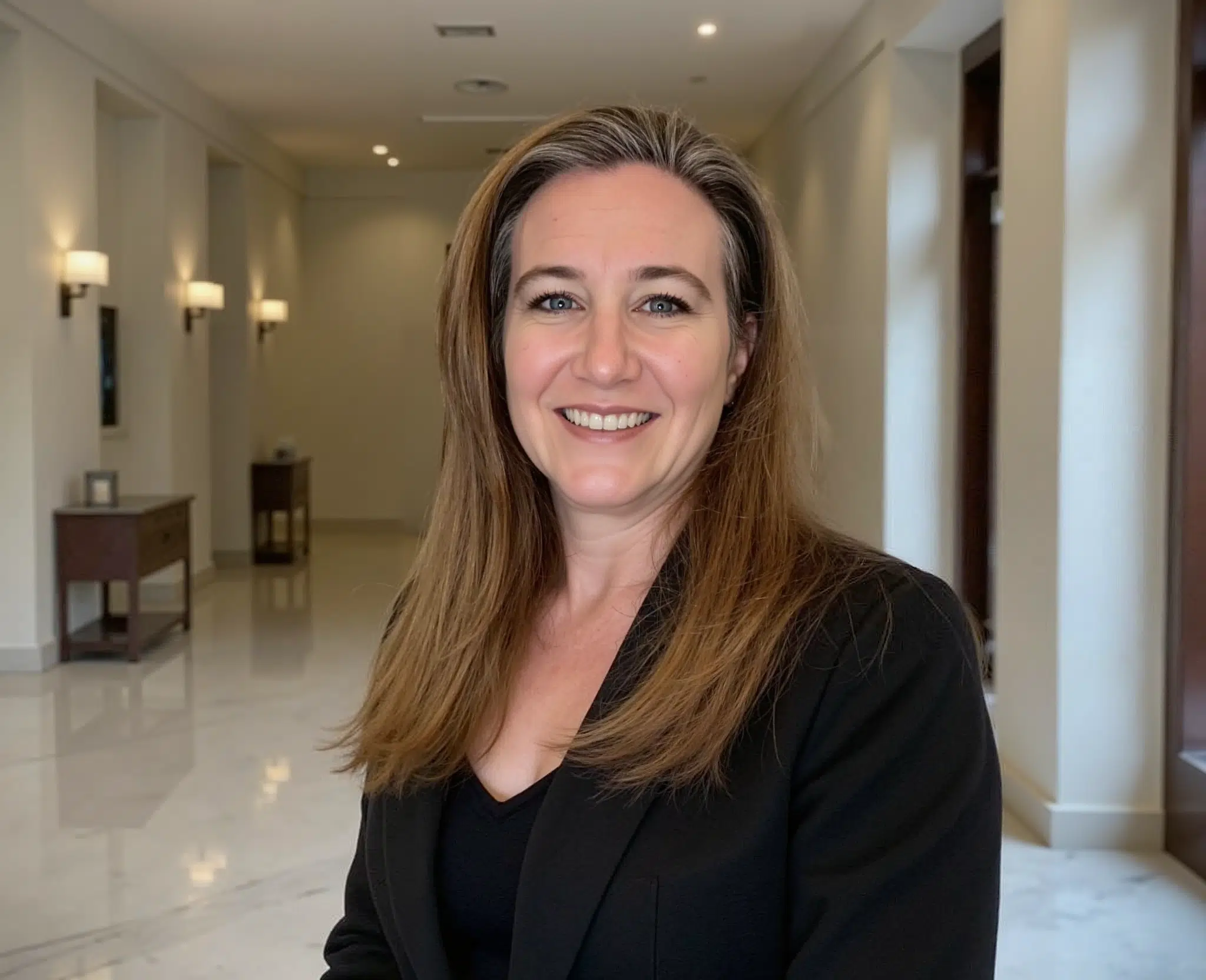
Kelli Bishop, LCSW
Clinical Director
Clinical leadership supports therapy, treatment planning, emotional safety, skill-building, and individualized care.
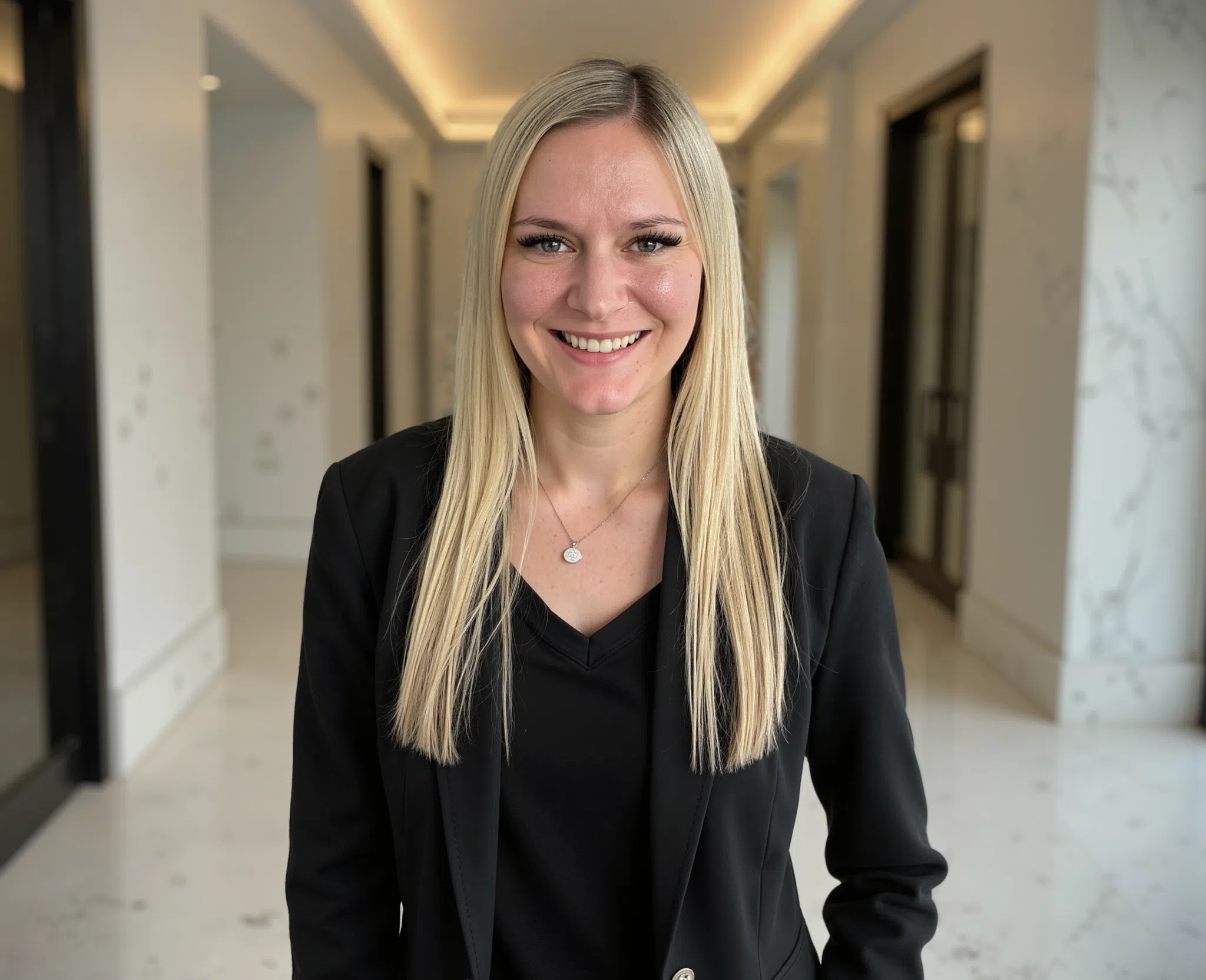
Montana Russel
Program Director
Program leadership helps maintain daily structure, resident support, consistency, and a calm treatment environment.
What this means for clients and families
Alpine Recovery Lodge is built around coordinated care. Medical, clinical, admissions, and program staff work together so clients and families have clearer communication, more structure, and a safer path through treatment.