In-network with many major plans
Alpine Recovery Lodge’s Intensive Outpatient Program provides structured therapy, relapse-prevention support, and mental health care several days per week while clients live at home or in sober housing. IOP is often a strong fit when someone needs more than weekly therapy but does not need 24/7 residential support.
Updated April 30, 2026
Private verification · Clear next steps · No pressure to commit.


IOP stands for Intensive Outpatient Program. It is a structured level of addiction and mental health treatment that includes therapy several days per week without overnight stays.
At Alpine Recovery Lodge, IOP helps clients practice recovery in real life while still receiving clinical support, group connection, relapse-prevention planning, and accountability.

Care is built around the person’s needs, goals, relapse risks, mental health symptoms, and daily-life responsibilities.
Clients learn skills, practice them outside of sessions, and return with support to adjust the plan.
If IOP is not enough, Alpine can help evaluate whether PHP, residential care, or detox would be safer.
The first step is a private conversation with admissions. You do not have to know exactly what level of care you need before calling.
Admissions asks about substance use, mental health symptoms, safety concerns, current environment, work or family responsibilities, and what support has or has not worked.
If IOP appears appropriate, we explain the schedule and next steps. If PHP, residential, or detox may be safer, we explain that clearly too.
Alpine works with many major insurance providers. We can help estimate benefits and explain options before you commit.
You leave the call knowing what to do next, what information is needed, and what treatment may look like.

IOP has a predictable schedule so clients can plan their week with less stress. It is structured enough to support recovery while still allowing many people to manage work, school, family, or sober living routines.
IOP uses structured, evidence-informed therapy to support recovery while clients continue living in the community. The focus is stability, accountability, skills, and relapse prevention.
One-on-one support focused on personal goals, mental health symptoms, substance use patterns, and progress planning.
Therapist-led groups that build insight, connection, accountability, and emotional regulation skills.
Support for anxiety, depression, trauma, and other co-occurring concerns alongside addiction recovery.
When appropriate, family support can help improve communication, boundaries, and long-term stability.
The safest level of care depends on stability, withdrawal risk, home environment, mental health symptoms, and ability to stay sober between sessions.

| Level of Care | Best Fit | Structure | Alpine Link |
|---|---|---|---|
| IOP | Stable living situation and needs consistent therapy/accountability. | Several sessions per week while living at home or sober housing. | IOP |
| PHP / Day Treatment | Needs more support than IOP but not 24/7 residential care. | More daytime structure and frequent clinical support. | Day Treatment / PHP |
| Residential Treatment | Needs distance from triggers, stronger structure, or 24/7 support. | Live-in care with daily programming and support. | Residential Treatment |
| Detox | Withdrawal symptoms or safety concerns may be present. | Support during early stabilization before the next level of care. | Detox |

IOP works because it combines structure with real-life practice. Clients are not just learning recovery concepts in a classroom; they are applying them during the same week they face triggers, stress, relationships, work demands, and cravings.
Trying to manage addiction, cravings, anxiety, depression, trauma responses, or relapse patterns alone often creates shame and exhaustion. IOP gives the person a rhythm, a team, and a clear plan.
You know when sessions happen, what skills to practice, and who to call when things get hard.
Group and individual support help people feel seen, understood, and accountable.
If symptoms increase, the plan can be adjusted instead of waiting for a crisis.

Alpine Recovery Lodge offers a calm, private environment that helps many clients feel less overwhelmed while they build recovery skills.
IOP is not always the safest fit. If symptoms worsen or recovery starts to feel unstable, PHP, residential treatment, or detox may be more appropriate.


IOP may be a strong fit if you are functioning in some areas of life but still feel pulled by cravings, emotional instability, relapse patterns, or mental health symptoms.
“If you’re struggling or don’t know where to start, please call. We can help you talk through the safest next step.”
— Admissions Team, Alpine Recovery Lodge
Alpine Recovery Lodge’s care is supported by medical, clinical, and program leadership with long-term experience helping clients stabilize, build skills, and continue recovery after higher levels of care.

Medical leadership supporting thoughtful, safe, team-based care.

Medical support with decades of experience and long-term commitment to Alpine clients.
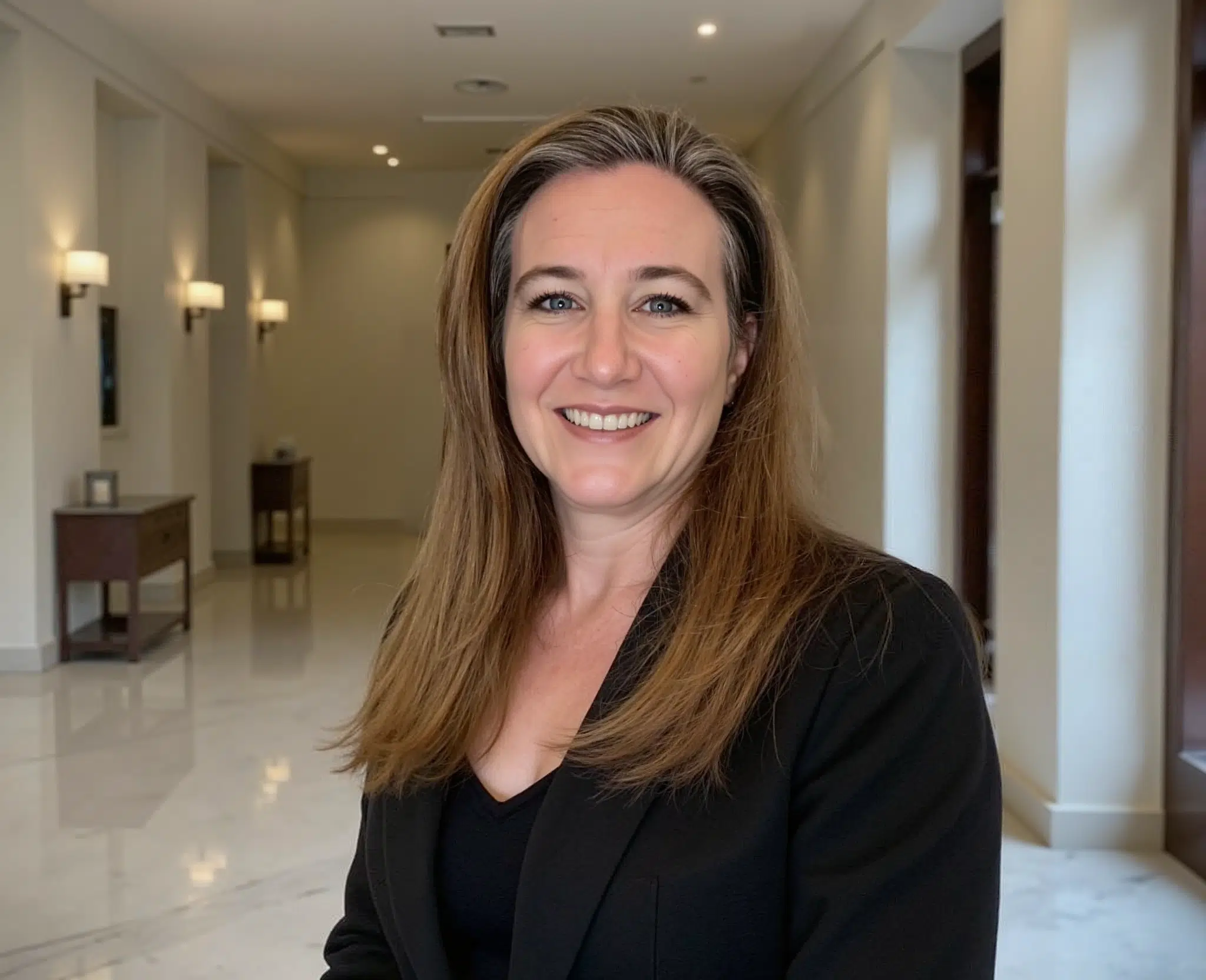
Clinical leadership focused on skills, emotional growth, and long-term recovery confidence.

Program leadership focused on safety, support, structure, and hope.
You do not need to diagnose yourself or choose the perfect level of care before reaching out. Use the pathway below to choose the safest next step.
Talk to admissions. We can help you understand whether IOP, PHP, residential treatment, or detox makes the most sense.
Talk to AdmissionsVerify insurance privately so you can understand benefits, estimated coverage, and available options before committing.
Verify InsuranceCall now. If someone is in immediate danger or may harm themselves or others, call 911 or go to the nearest emergency room.
Call NowIf Alpine is not the right level of care, admissions can still help you understand safer next steps and what to ask when comparing options.

IOP is one part of a full continuum. These pages help you compare levels of care and choose the next right step.
IOP is structured outpatient treatment that includes therapy several days per week while clients live at home or in sober housing.
IOP commonly meets 3–5 days per week, depending on clinical needs, schedule availability, and the person’s treatment plan.
Many people can continue work, school, or family responsibilities during IOP because it does not require overnight stays.
No. PHP is usually a higher level of outpatient care with more structure and more treatment hours. IOP is typically a step-down level with fewer hours per week.
Yes. Alpine’s IOP can support substance use concerns and co-occurring mental health symptoms such as anxiety, depression, trauma, and emotional dysregulation.
Many insurance plans include outpatient behavioral health benefits, but coverage varies. Alpine can privately verify benefits and explain estimated coverage before you commit.
If symptoms increase or relapse risk rises, a higher level of care such as PHP, residential treatment, or detox may be safer.
The safest way to know is to speak with admissions. We can help clarify your symptoms, environment, withdrawal risk, and support needs.
Use this quick checklist to decide whether IOP may be worth discussing with admissions.
Use this checklist to prepare for an admissions conversation.
Next step: Call Alpine Recovery Lodge at 877-415-4060 or verify insurance online.
Whether you are ready for IOP or still unsure, Alpine Recovery Lodge can help you understand your options. Most major insurance plans are accepted, and verification is private, fast, and low-pressure.
IOP is one part of a full continuum. These pages help you compare levels of care and choose the next right step.

Alpine Recovery Lodge
1018 E Oakhill Dr
Alpine, UT 84004