
Faith-Based Rehab: Faith-Friendly Recovery Support
Faith-based rehab is addiction treatment that can include spiritual support alongside licensed therapy, structure, and relapse prevention. At Alpine Recovery Lodge, faith is welcome, optional, and never forced—your care stays private, respectful, and clinically grounded.
If faith matters to you or your family, Alpine can support that without replacing therapy or pressuring anyone into beliefs. The goal is recovery that feels safe, respectful, and strong enough for real life.
Updated May 3, 2026
Private verification · Clear next steps · No pressure to commit. Alpine Recovery Lodge can verify your benefits and help you understand your estimated options before you make a decision.
What does “faith-based” mean at Alpine?
At Alpine Recovery Lodge, faith-based means faith-friendly, not faith-forced. Clients may include spirituality, prayer, values, purpose, or faith-informed reflection in recovery if it supports their healing. Clinical treatment remains the foundation.
Faith is welcome, not required
You do not need to share a specific belief to be respected, supported, or fully included in treatment.
Therapy stays the foundation
Treatment focuses on licensed therapy, recovery skills, emotional regulation, relapse prevention, and practical structure.
Your comfort level matters
Spiritual support can be private, light, or more integrated depending on what feels safe and appropriate for you.
Faith-friendly care can include:
- Values-based recovery goals like honesty, hope, responsibility, and repair.
- Optional prayer, quiet reflection, or spiritual discussion if requested.
- Respect for a client’s beliefs, doubts, history, and boundaries.
- Family conversations that are calm, respectful, and not shame-based.
Faith-friendly care should not mean:
- Forced religion or pressure to participate in spiritual practices.
- Replacing therapy with “just pray more.”
- Judgment, shame, or moralizing addiction.
- Requiring clients to share private beliefs in groups.
What happens first?
The first step is a private conversation about what is happening, what level of care may fit, and whether faith should be included, optional, or private. You do not need to explain everything perfectly before reaching out.
Admissions listens first
You can explain the substance use concern, mental health symptoms, family concerns, faith preferences, and any immediate safety needs.
Level of care is clarified
Alpine helps you understand whether detox, residential treatment, PHP, IOP, dual diagnosis care, or aftercare support may be appropriate.
Faith preferences are respected
You can say whether you want faith to be private, optional, lightly supported, or more involved in your personal recovery plan.
Insurance can be verified privately
If you want to use insurance, Alpine can verify benefits and explain estimated coverage before you commit.
Why this works
Faith-friendly recovery works best when hope and meaning are paired with real treatment structure. Spiritual support may strengthen motivation, identity, and purpose, while therapy teaches the skills needed to manage cravings, emotions, relationships, and relapse risk.
Meaning supports motivation
Faith or values can help a person remember why recovery matters when shame, cravings, or discouragement rise.
Therapy builds skills
Clinical care teaches emotional regulation, relapse prevention, communication, trauma-informed coping, and daily recovery habits.
Structure lowers chaos
A predictable treatment environment helps clients stabilize and practice recovery in a calm, supported setting.
Alpine Insight
What we commonly see is that families often want faith included because they want hope and moral repair. That can be helpful, but shame is not treatment. The strongest approach is compassion, accountability, therapy, structure, and optional faith support that respects the client’s boundaries.
What should I ask before choosing a faith-based rehab?
Ask whether faith is required, optional, private, or integrated—and whether licensed therapy remains the foundation. Programs vary, so clarity matters before admission.
| What you may want | What to ask | What Alpine aims for |
|---|---|---|
| Faith included, but optional | Is faith required to participate? Can I keep it private? | Faith is welcomed and optional. Your comfort level guides the plan. |
| Strong clinical care | What therapies are used? How is treatment structured? | Therapy, skills, structure, relapse prevention, and spiritual support only if desired. |
| No shame-based approach | How do you handle cravings, relapse risk, and setbacks? | Compassionate accountability, problem-solving, and practical recovery planning. |
| Family peace and clarity | How do you involve families without blame or pressure? | Family education, healthy communication, boundaries, and supportive next steps. |
Is faith-friendly rehab a good fit for me?
Faith-friendly rehab may be a good fit if you want treatment that respects your beliefs while still prioritizing therapy, structure, safety, and recovery skills. Use this quick self-check as a decision aid, not a diagnosis.
Faith-friendly recovery fit check
Check anything that feels true for you or your loved one.
How do therapy and faith work together?
Faith can support hope, identity, and purpose, while therapy teaches the practical skills needed for long-term recovery. At Alpine, spiritual support does not replace clinical care—it can become one supportive layer when it fits the client.
Skills for cravings
Clients learn tools for urges, triggers, emotional distress, and high-risk situations without relying on substances.
Trauma-informed healing
Care can address emotional pain, shame, and trauma patterns at a pace that feels safe and grounded.
Daily structure
A steady schedule helps the brain and body stabilize while new recovery habits become more realistic.
Simple picture: what this looks like day to day
- Therapy: learn new ways to think, cope, communicate, and recover.
- Community: support, accountability, and honest connection.
- Faith, if desired: meaning, purpose, spiritual grounding, and values-based choices.
What should I expect before, during, and after treatment?
Faith-friendly treatment should feel clear, respectful, and structured. Knowing what happens before, during, and after treatment can reduce fear and help families make a grounded decision.
Before: the first call and intake
Admissions listens first, helps identify the appropriate level of care, verifies insurance if requested, and asks how you want faith handled: private, optional, lightly supported, or more integrated.
During: a steady plan that builds trust
Treatment may include daily structure, therapy, relapse prevention, DBT-informed skills, family support, mental health care, and optional spiritual support that fits your boundaries.
After: staying strong in real life
Aftercare planning helps you continue support, routines, relapse prevention, family communication, and faith or community supports when they are helpful.
First 24 hours
- Arrive: nerves are normal. The goal is calm, safety, and orientation.
- Settle in: you learn the schedule, expectations, and what happens next.
- Stabilize: meals, hydration, rest, structure, and support begin immediately.
- Plan: the team outlines treatment goals, including faith preferences if desired.
Why this is easier than staying stuck
Staying stuck often means living with shame, secrecy, fear, repeated conflict, and unclear next steps. Faith-friendly treatment creates a calmer path: clinical care, structure, optional spiritual support, and practical recovery skills.
Instead of shame
You get a plan that treats addiction as something to address with support, honesty, and skill-building—not humiliation.
Instead of arguments
Families can use clear language, boundaries, and support instead of sermons, threats, or emotional escalation.
Instead of guessing
Admissions can help clarify level of care, insurance, arrival, treatment structure, and how faith can be included respectfully.
Family guidance: how to support without pressure
Families can help by leading with love, staying calm, setting boundaries, and avoiding shame-based conversations. Faith can be part of support, but pressure usually backfires.
Simple words you can use
- “I love you. I’m not here to lecture. I’m here to help you get safe.”
- “We can choose a place where faith is welcomed, but nothing is forced.”
- “Let’s take one step today: a confidential call.”
- “Do you want faith included, optional, or private?”
What not to do
- Do not use threats, sermons, or long arguments.
- Do not use shame-based guilt, even when you are scared.
- Do not try to “win” the conversation instead of keeping it safe.
- Do not make faith feel like punishment for addiction.
What to do next as a family
Ask your loved one one clear question: “Do you want faith included, optional, or private?” Then choose treatment that respects that answer while still providing clinical care, safety, and structure.
How is mental health treated at Alpine Recovery Lodge?
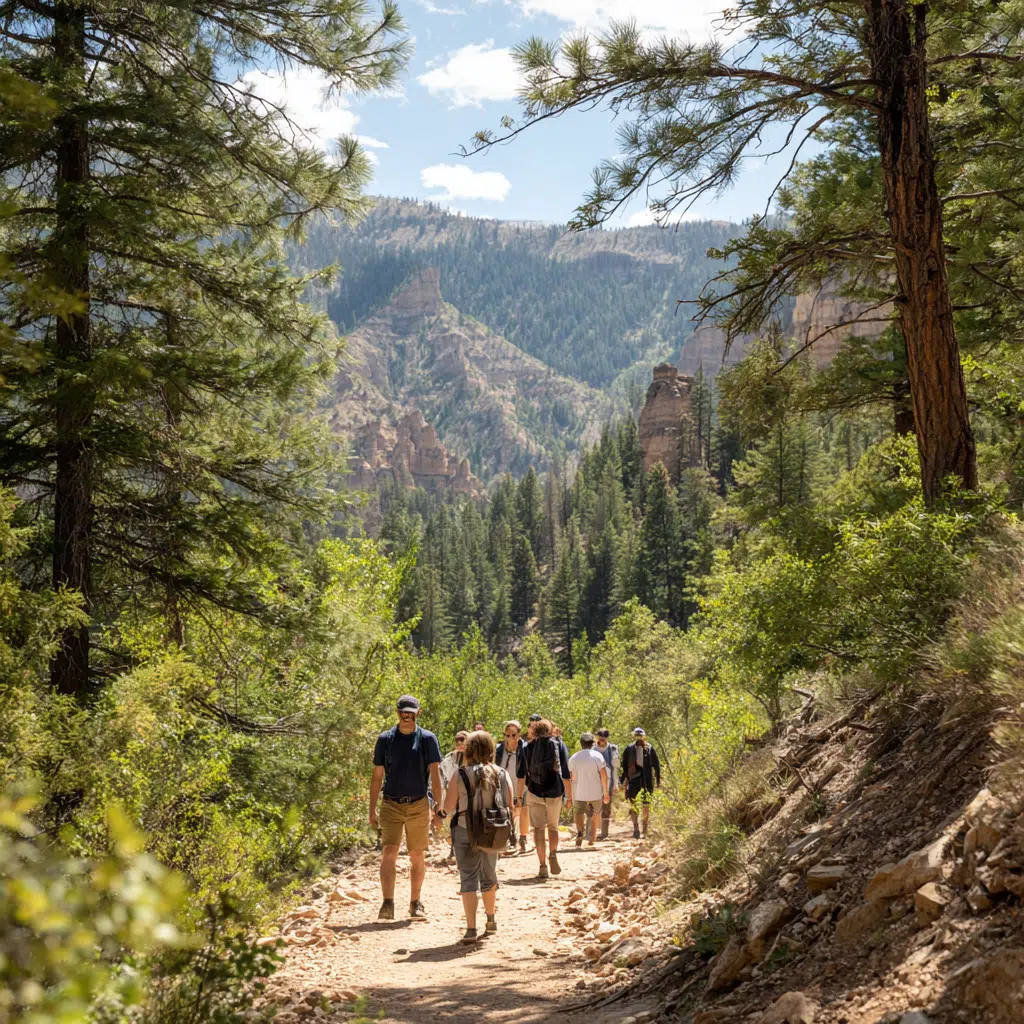
Mental health care at Alpine is structured, compassionate, and personalized. Treatment is designed to help clients understand symptoms, develop emotional regulation skills, and build a stable foundation for long-term wellbeing.
Mental health treatment may include individual therapy, group therapy, DBT-informed skills, trauma-informed support, relapse prevention planning, family support, recreation, daily structure, and aftercare planning.


Cost and insurance: what families should know
Coverage depends on your plan, diagnosis, medical necessity, and level of care. The safest next step is private insurance verification so you can understand options before committing to treatment.
Admissions can help check:
- Whether detox, residential treatment, PHP, or IOP may be covered.
- Your deductible and estimated out-of-pocket responsibility.
- Whether pre-authorization may be needed.
- What options are available before you commit.
Most Major Insurance Plans Accepted
Alpine Recovery Lodge works with many major insurance providers. Our admissions team can privately verify your benefits, explain your estimated coverage, and help you understand your options before you commit.
Therapies and recovery supports that may work with faith-friendly care
Faith-friendly care is strongest when it is connected to clinical treatment, recovery skills, relapse prevention, and family support. These related Alpine pages help explain the broader care model.
If this sounds like you
If you want treatment that respects faith without forcing it, Alpine Recovery Lodge can help you build a clear next step. You do not need to know the exact level of care or how spiritual support should fit before calling.
You are unsure
Ask admissions what level of care may fit and how faith can remain private, optional, or supported.
You are ready
Verify your insurance benefits privately and learn your estimated options before committing.
You are worried it is urgent
Call now. If there is immediate danger, overdose risk, severe withdrawal, or suicidal thoughts, call 911 or 988 as appropriate.
What happens after you reach out?
Reaching out does not mean you are committing to treatment. It simply starts a private conversation so you can understand safety, insurance, faith preferences, level of care, and next steps.
Admissions listens first
You can explain what is happening with substance use, mental health, family concerns, and what kind of faith support feels right or wrong.
Benefits can be verified privately
If you want to use insurance, Alpine can verify benefits and explain estimated coverage before you commit.
You receive a clear next step
The next step may be detox, residential treatment, PHP, IOP, aftercare, family guidance, or another recommendation if Alpine is not the right fit.
Not a fit? We will still guide you.
If Alpine Recovery Lodge is not the right level of care or fit, admissions can still help you understand what type of support may be safer or more appropriate. The goal is clarity, not pressure.
What should I do next?
Your next step depends on how safe, stable, and ready the person is right now. Use this decision guide to choose the simplest next action.
If you are unsure
Talk with admissions. You can ask about treatment, faith-friendly support, privacy, levels of care, family involvement, and insurance.
Talk to AdmissionsIf you are ready for help
Verify your insurance benefits privately so you can understand estimated coverage and available treatment options.
Verify InsuranceIf it feels urgent
Call now for guidance. If there is immediate danger, overdose risk, severe withdrawal, or suicidal thoughts, call 911 or 988 as appropriate.
Call NowEmergency guidance: If someone is in immediate danger, call 911. If someone is in emotional crisis in the United States, call or text 988.
Printable faith-friendly rehab decision guide
Use this guide to compare programs and clarify what kind of faith support feels appropriate. Print it, save it, or share it with admissions or a loved one.
Faith-friendly rehab checklist
- Ask whether faith is required, optional, private, or integrated.
- Confirm that therapy and structure remain the foundation of treatment.
- Ask whether spiritual support can match the client’s comfort level.
- Avoid programs that rely on shame, pressure, or forced participation.
- Clarify how family involvement works and how boundaries are handled.
- Verify insurance before committing to care.
- Ask what happens during the first 24 hours of treatment.
Faith-Friendly Rehab Decision Guide
Faith-friendly rehab means faith may be welcomed, optional, private, or supported while therapy and structure remain the foundation of treatment.
- Ask whether faith is required or optional.
- Ask whether beliefs can remain private.
- Ask whether licensed therapy remains the foundation.
- Avoid shame-based or pressure-based approaches.
- Clarify family involvement and boundaries.
- Verify insurance privately.
Alpine Recovery Lodge: 877-415-4060 | https://www.alpinerecoverylodge.com/verify-insurance/
Helpful external resources
These resources can help you understand treatment, recovery support, and crisis guidance. They are educational and do not replace professional care.
Faith-based rehab FAQ
These are common questions people ask when they want faith respected without pressure or shame.
Do I have to be religious to come to Alpine?
No. Faith is welcomed and optional. You can choose how involved—or not involved—you want faith or spirituality to be.
Is faith forced in groups or therapy?
No. Alpine does not pressure clients to share beliefs. Treatment focuses on respectful, skills-based recovery and clinical care.
What if my beliefs are different from other clients?
You can keep your beliefs private. The goal is a calm, respectful environment where each client’s boundaries are honored.
Can I ask for faith to be part of my treatment plan?
Yes. Tell admissions whether you want faith included, optional, private, or more integrated. Support can be matched to your comfort level.
Does faith-based rehab replace clinical treatment?
No. Therapy, structure, and recovery planning remain the foundation. Spiritual support is an added layer if it helps you.
What if I feel shame about relapse?
Shame often keeps people stuck. Alpine focuses on skills, accountability, compassion, structure, and a clear plan to rebuild stability.
Can families be involved?
Often, yes. Family support can help loved ones learn healthier communication, boundaries, and practical next steps.
How do I start?
Start with one step: a confidential admissions call or an insurance benefits check. Alpine can help you understand options without pressure.