Rehab Admissions · Private Help · Clear Next Steps
Starting rehab admissions at Alpine Recovery Lodge begins with a private call, insurance verification, or a simple admissions form. Our team helps you confirm fit, understand your estimated coverage, choose the safest level of care, and plan a calm arrival without pressure.
Updated May 2, 2026


Addiction & Mental Health Treatment
At Alpine Recovery Lodge, admissions are handled by a small, experienced team who walk individuals and families through each step with clarity and care. You do not need to know the exact level of care before you reach out.
We help you understand whether detox, residential treatment, day treatment, intensive outpatient, dual diagnosis care, or mental health support may be appropriate.
Alpine Recovery Lodge works with many major insurance providers. Our admissions team can privately verify your benefits, explain your estimated coverage, and help you understand your options before you commit.
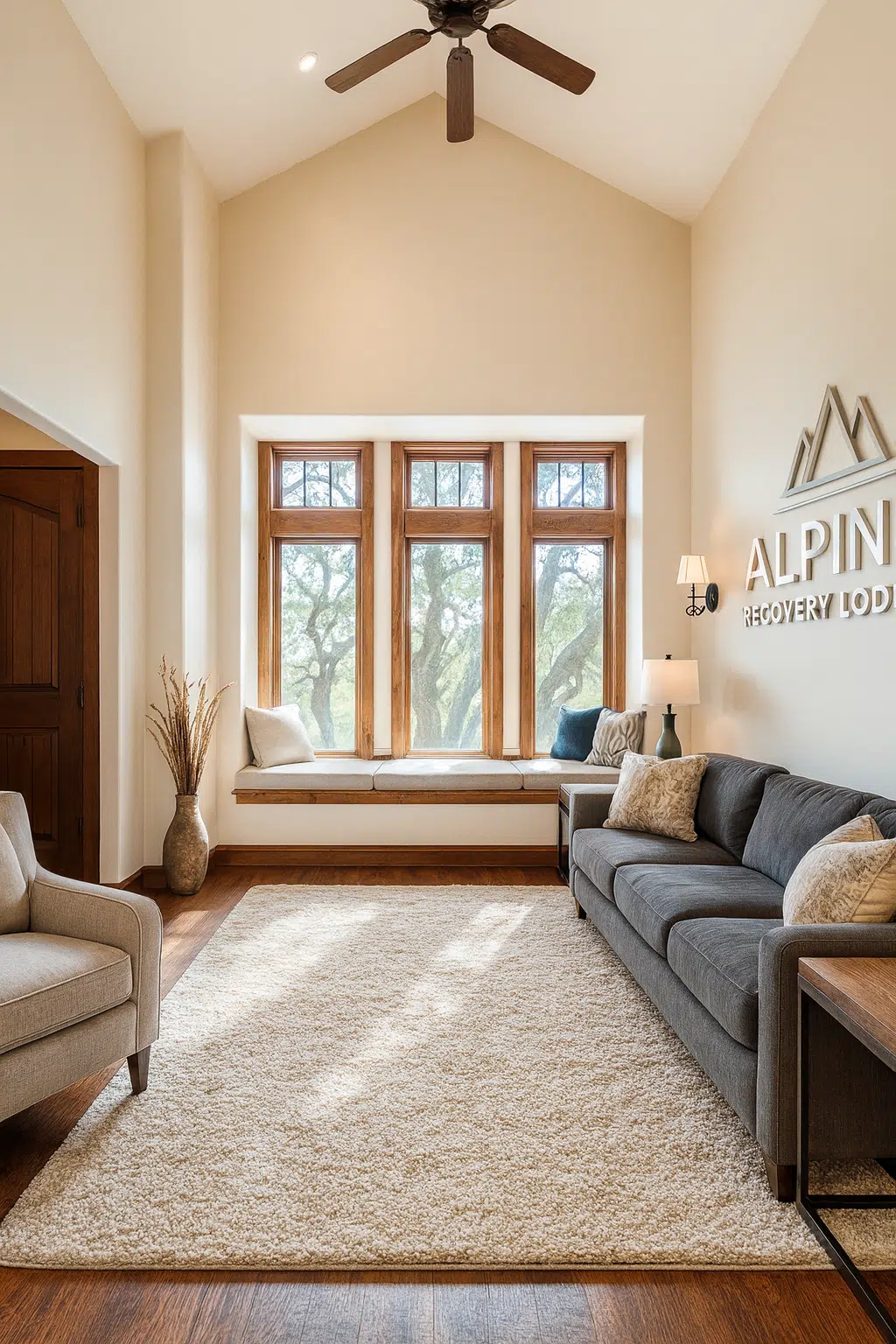
What Happens First
The first step is a calm conversation. Admissions will ask what is happening, what substances or mental health symptoms are involved, whether there are safety concerns, and whether insurance verification would help clarify your options.
You speak with someone who can listen, answer questions, and help you understand whether Alpine may be a fit.
We privately verify benefits, explain estimated coverage, and help you understand possible next steps before treatment begins.
Admissions helps identify whether detox, residential treatment, PHP, IOP, or another option may be appropriate.
We help with timing, what to bring, travel questions, and what to expect during the first day.
Why This Works
Clear answers reduce panic. When people understand what happens next, starting treatment feels less overwhelming.
Some people need detox first. Others need residential structure, PHP, IOP, or mental health support. The right starting point matters.
Families often feel stuck. Admissions gives them a next step, a clear boundary, and a safe path forward.
Level of Care
If you are unsure what level of care you need, Alpine Recovery Lodge helps assess your situation and recommend the right next step. This may include detox, residential treatment, day treatment, intensive outpatient care, dual diagnosis treatment, or mental health support.
Simple answer: If stopping feels physically unsafe, ask about detox. If daily life feels unmanageable, residential treatment may be the fastest reset. If you are stable but still need structure, PHP or IOP may help.
| Level of Care | Who It May Help | Main Purpose | Next Step |
|---|---|---|---|
| Detox | People who may have withdrawal symptoms or feel unsafe stopping | Stabilize safely before deeper treatment | Learn about detox |
| Residential Treatment | People who need a full reset away from triggers | 24/7 structure, therapy, skills, and support | Learn about residential treatment |
| Day Treatment / PHP | People who need strong treatment with more flexibility | Structured daytime care and continued therapy | Learn about PHP |
| Intensive Outpatient / IOP | People stepping down or needing support while living off-site | Accountability, relapse prevention, and continued skills | Learn about IOP |
Why This Is Easier Than Staying Stuck
Waiting can feel safer in the moment, but it often keeps families in the same cycle: worry, conflict, crisis, promises, relapse, and uncertainty. A short admissions conversation gives you information instead of fear.
Insurance & Cost Clarity
In many cases, yes. Alpine Recovery Lodge works with many major insurance plans. Admissions for treatment, including detox, residential care, and ongoing support, may be approved when treatment is medically necessary. Coverage depends on your specific plan, and Alpine never guarantees benefits or costs.
Private verification · Clear next steps · No pressure to commit.
Don’t see your insurance listed? Complete the Verify Insurance form so admissions can check your specific plan and explain options clearly.
If This Sounds Like You
Reaching out does not obligate you to start treatment. If Alpine Recovery Lodge is not the right fit, admissions can still help you understand safer next steps and what kind of support may make sense.
What Should I Do Next?
If you do not know what level of care is right, start with a private admissions conversation.
Talk to AdmissionsIf you are ready to move forward, verify insurance so you can understand estimated coverage and next steps.
Verify InsuranceIf there is immediate danger, call 911. If it is not an emergency but you need help quickly, call admissions.
Call NowWelcome to Alpine Recovery Lodge
If you are here, you or someone you love is likely going through a hard moment. You may feel overwhelmed, unsure what to do next, or worried about making the wrong decision. You are not alone, and you do not have to figure this out by yourself.
From the first call or insurance verification, Alpine Recovery Lodge helps you understand treatment options in a calm, supportive, and human way.

Why Families Choose Alpine
Admissions explains treatment options, insurance next steps, and arrival planning in simple language.
Alpine offers a comfortable residential environment that feels more human than hospital-like.
Care may include detox, residential treatment, PHP, IOP, dual diagnosis support, and aftercare planning.

Destination Treatment
Many people choose Alpine Recovery Lodge as a destination program because distance from daily triggers can make it easier to focus fully on recovery. Located in Alpine, Utah, at the base of the mountains, Alpine offers a calm setting designed to support stability and healing.
Related Alpine Programs
Support for people who may need a safer first step before deeper treatment.
Core ProgramStructured 24/7 care for people who need a full reset away from triggers.
Step-Down CareStrong daytime support with therapy, structure, and recovery planning.
Flexible SupportOngoing support while returning to life, work, school, or family routines.
Mental Health + AddictionIntegrated support when substance use and mental health symptoms overlap.
Mental HealthSupport for anxiety, depression, trauma symptoms, mood instability, and emotional distress.
Admissions Resources
Understand how the admissions process works and what happens first.
PreparationSee what to pack, what to leave home, and how to prepare.
First DayLearn what arrival, orientation, and the first day can look like.
Treatment LengthCompare detox, residential, PHP, IOP, and aftercare timelines.
ArrivalPlan travel, timing, and arrival with support from admissions.
FamiliesGuidance for families who want to help without increasing conflict.
Use this quick checklist before calling admissions or verifying insurance.
Admissions FAQ
Start by calling admissions, verifying insurance, or submitting a contact form. Alpine Recovery Lodge will listen, answer questions, explain options, and help you understand the safest next step.
Yes. Alpine Recovery Lodge can privately verify your benefits and help you understand your estimated coverage before you make a decision.
Admissions may ask what is happening, what substances or symptoms are involved, whether withdrawal or safety concerns are present, your insurance information, and when you may be ready to start.
If stopping feels physically unsafe or withdrawal symptoms are present, detox may be the safest first step. If you need full structure away from triggers, residential treatment may be appropriate.
Timing depends on clinical fit, availability, insurance verification, and safety needs. Admissions can help you understand realistic timing during the first conversation.
Yes. Admissions conversations and insurance verification are handled privately.
Admissions can still guide you toward safer next steps and help you understand what kind of care may be appropriate.
If there is immediate danger, call 911 or go to the nearest emergency room. If it is a mental health crisis, call or text 988 for immediate crisis support.
Final Next Step
You do not have to choose the perfect words or know the perfect level of care. Start with a private conversation. Alpine Recovery Lodge can help you understand options, verify insurance, and decide what next step makes sense.
Direct answer: Start with a private admissions call or insurance verification. Alpine Recovery Lodge can help confirm fit, explain estimated coverage, and plan next steps.

Alpine Recovery Lodge
1018 E Oakhill Dr
Alpine, UT 84004