
Holistic Recovery Support · Whole-Person Care · Routine & Regulation
Holistic Recovery Support
Holistic recovery support strengthens addiction and mental health treatment by helping the whole person stabilize: sleep, nutrition, movement, mindfulness, routine, stress regulation, and connection. At Alpine Recovery Lodge, holistic tools support therapy—not replace it—so clients can practice coping skills in real life.
Updated May 2, 2026
Alpine Recovery Lodge can privately verify your benefits, explain estimated coverage, and help you understand options before you commit.

Whole-person support
Recovery support that considers body, mind, routine, relationships, and environment.
Practical coping tools
Simple, repeatable tools that help clients regulate stress and cravings.
Therapy support
Holistic care strengthens therapy skills by making daily stability easier.
Direct Answer
What is holistic recovery support?
Holistic recovery support is whole-person care that helps stabilize the daily systems recovery depends on: sleep, nutrition, movement, mindfulness, emotional regulation, nature, structure, and connection.
It does not replace therapy, detox, residential treatment, PHP, IOP, or clinical support. It helps people feel steady enough to use those supports more effectively.
Why It Matters
How does holistic support help with cravings, anxiety, and mood?
Holistic supports help lower the background stress that can make cravings, anxiety, irritability, emotional swings, and relapse risk feel louder. When the nervous system is more regulated, therapy skills become easier to practice.
Common benefits people notice
- Lower stress reactivity
- More predictable sleep and daily routine
- Improved focus during therapy
- More energy for treatment participation
- Better emotional regulation
- Less isolation through healthy connection
What holistic support is not
- Not a replacement for clinical treatment
- Not a guaranteed cure or quick fix
- Not about doing everything perfectly
- Not limited to meditation or yoga
- Not separate from therapy—it supports therapy
Holistic Supports
What types of holistic recovery supports are common in treatment?
Holistic supports are simple tools that can be repeated daily. The goal is not perfection. The goal is a realistic routine that reduces overwhelm and supports long-term recovery.
| Support | What It Helps | Simple Version |
|---|---|---|
| Routine and structure | Decision fatigue, relapse risk, overwhelm | Wake/sleep window, meals, groups, and predictable steps |
| Nutrition and hydration | Mood swings, cravings, energy crashes | Regular meals, water, protein, and steady blood sugar |
| Movement | Anxiety, restlessness, low mood | Short walk, stretching, or gentle movement |
| Mindfulness and grounding | Panic, racing thoughts, cravings | Long-exhale breathing and 5-senses grounding |
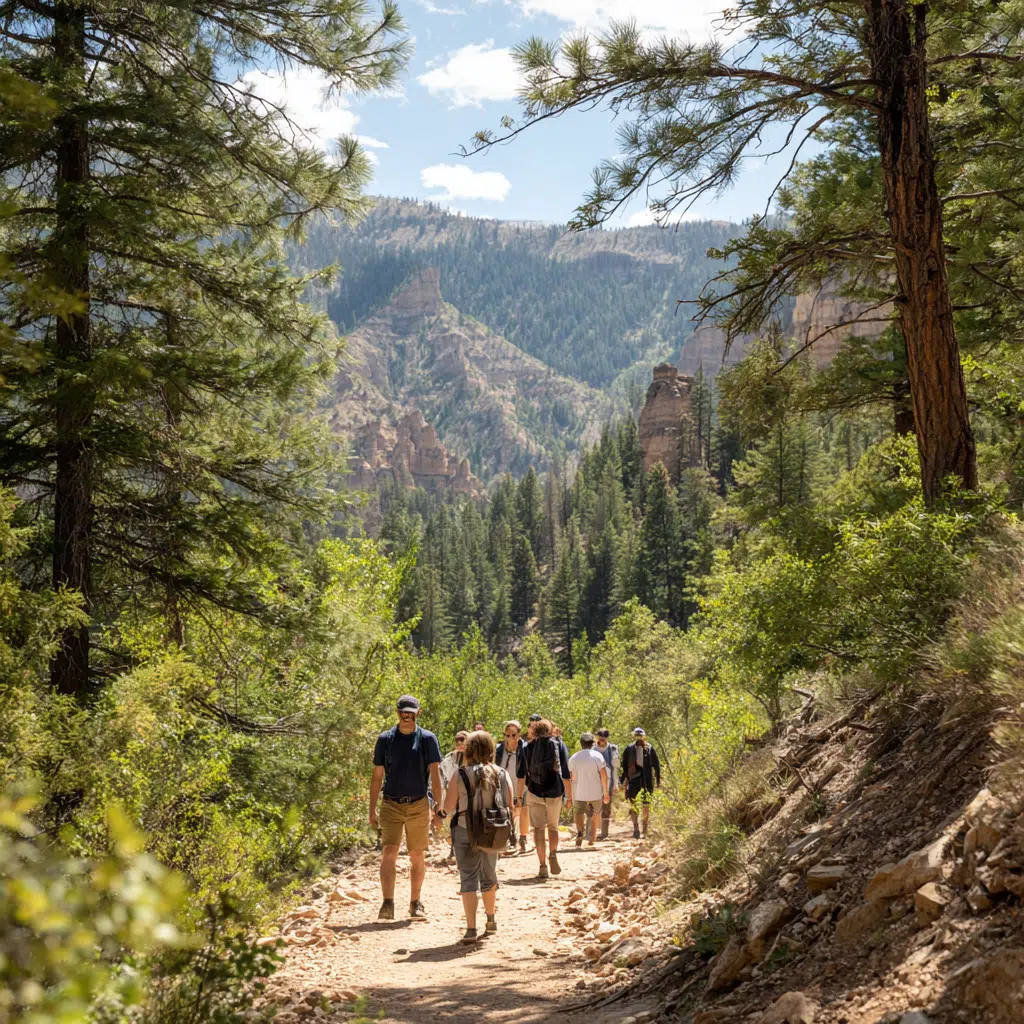
| Nature time | Stress load and emotional reset | Sitting outside, short walk, or mountain-view quiet time |
| Sleep support | Irritability, cravings, impulsivity | Consistent bedtime routine and lower stimulation |

What Happens First
How does holistic support fit into treatment?
Holistic support begins by helping the person stabilize the basics: rest, food, hydration, safety, routine, and calm. From there, clients can participate more fully in therapy, groups, relapse prevention, and aftercare planning.
- First, stabilize the body and daily rhythm.
- Then, practice coping skills during treatment.
- Next, build repeatable routines for life after discharge.
- Finally, connect the plan to aftercare, family support, and ongoing accountability.
Interactive Tool
What’s my best holistic reset plan for today?
Use this quick builder to create a 5–20 minute reset plan. This is a coping-support tool, not medical advice.
If you feel unsafe, medically unwell, or in crisis, call 911. For urgent emotional support in the United States, call or text 988.
Daily Routine
What is a simple holistic routine I can repeat daily?
A strong routine is small, repeatable, and realistic. The goal is to reduce chaos, not add pressure.
Morning reset
- Drink water
- Eat something steady and simple
- Step outside or sit by natural light
- Use 2 minutes of long-exhale breathing
- Write down one next right step
Evening reset
- Reduce stimulation and screen time
- Use a short stretch, shower, or quiet routine
- Write five lines: feel, need, gratitude, plan, support
- Prepare for a consistent sleep window
- Choose one support action for tomorrow
Why This Works
Why holistic recovery support works best with therapy
Therapy gives insight, skills, and emotional processing. Holistic support gives the body and daily routine enough stability to actually use those skills. Together, they create a stronger foundation for recovery.
It lowers overload
Regulation tools help reduce the physical stress that can fuel cravings and emotional reactions.
It supports participation
Sleep, food, hydration, and routine make therapy and groups easier to engage in.
It builds carryover
Clients practice repeatable tools they can use after treatment, not just during treatment.
Treatment Path
How does holistic support fit with levels of care?
Holistic recovery support can be part of each level of care, but the right starting point depends on safety, withdrawal risk, mental health symptoms, and how much structure the person needs.
| Level of Care | How Holistic Support Helps | Related Alpine Page |
|---|---|---|
| Detox | Supports hydration, rest, comfort, and the first step toward stabilization. | Detox |
| Residential Treatment | Builds daily routine, sleep structure, therapy engagement, movement, and emotional regulation. | Residential Treatment |
| Day Treatment / PHP | Helps clients practice recovery routines while stepping into more independence. | Day Treatment / PHP |
| IOP | Supports consistency, relapse prevention, accountability, and real-life coping skills. | IOP |

Why This Is Easier Than Staying Stuck
Small recovery routines are easier than living in constant survival mode
Many people wait because they think recovery requires a huge life overhaul all at once. Holistic recovery support makes change smaller, steadier, and more repeatable.
- You start with practical routines, not perfection.
- You learn what calms your nervous system.
- You build habits that support therapy and relapse prevention.
- You can verify insurance before committing to treatment.
If This Sounds Like You
Holistic recovery support may help if life feels unstable or overwhelming
- Your sleep, meals, or routine feel chaotic.
- Stress quickly turns into cravings, panic, shutdown, or anger.
- You know coping skills but cannot access them when overwhelmed.
- You need structure that feels calm, not punishing.
- You want treatment that supports your body, mind, relationships, and daily life.
Not a fit? We’ll still guide you.
Reaching out does not obligate you to start treatment. Alpine Recovery Lodge can help you understand safer next steps, even if Alpine is not the right fit.
What Should I Do Next?
Choose the next step that matches your situation
I’m unsure
If you do not know what level of care fits, start with a private admissions conversation.
Talk to AdmissionsI’m ready
If you are ready to explore care, verify insurance so you can understand estimated coverage and options.
Verify InsuranceThis feels urgent
If there is immediate danger, call 911. If you are in an emotional crisis, call or text 988.
Call AlpineRelated Therapy Supports
How is mental health and recovery supported at Alpine?
Holistic recovery support works best when paired with structured therapy, emotional regulation skills, and a clear treatment plan.
Trauma Treatment
Support for trauma patterns that can affect addiction and mental health.
CBTCognitive Behavioral Therapy
Skills for identifying thoughts, triggers, behaviors, and coping patterns.
DBTDBT Skills
Emotional regulation, distress tolerance, mindfulness, and interpersonal skills.
MindfulnessMindfulness
Practical attention and grounding skills for cravings, anxiety, and stress.
FamilyFamily Therapy
Support for communication, boundaries, education, and family healing.
Relapse PreventionRelapse Prevention
Planning for triggers, cravings, high-risk situations, and accountability.
Printable holistic recovery routine checklist
Use this checklist to build a simple, repeatable daily reset routine.
- Drink water and eat something steady
- Get natural light or step outside
- Move gently for 5–10 minutes
- Use long-exhale breathing for 2 minutes
- Practice one grounding skill
- Write down one next right step
- Reduce stimulation before sleep
- Reach out to one safe support person
FAQ
Holistic recovery support FAQs
What does holistic mean in addiction treatment?
Holistic means supporting the whole person through routine, sleep, nutrition, movement, stress regulation, mindfulness, connection, and therapy.
Is holistic recovery support a replacement for therapy?
No. Holistic supports work best alongside therapy and a structured treatment plan. They help people use coping skills more effectively.
What are the most helpful holistic supports for cravings?
Many people benefit from changing environment, long-exhale breathing, hydration or food, gentle movement, grounding, and quick connection to support.
What if I do not like meditation or mindfulness?
That is okay. Mindfulness can be practical: a short walk, grounding with the senses, slow breathing, or noticing one safe thing in the room.
How long does holistic support take to help?
Some people feel short-term relief quickly when stress regulation improves. Long-term change comes from repetition, structure, therapy, and support.
Can holistic supports help mental health symptoms too?
They can support emotional regulation and stress reduction, especially when combined with therapy, dual diagnosis care, and a personalized treatment plan.
Will insurance cover treatment that includes holistic supports?
Coverage depends on your plan and level of care. Alpine Recovery Lodge can privately verify benefits and help you understand estimated coverage.
What is the simplest holistic routine to start with?
A repeatable baseline can include water, regular meals, a short walk, long-exhale breathing, grounding, and a consistent sleep window.
Related Alpine Services
Helpful treatment links
Detox
Support for withdrawal concerns and safer stabilization.
ResidentialResidential Treatment
Structured 24/7 care in a calm residential setting.
PHPDay Treatment / PHP
Strong daytime support with therapy and recovery structure.
IOPIntensive Outpatient
Ongoing support while returning to daily life.
Mental HealthMental Health Treatment
Support for emotional regulation, anxiety, depression, and mental health symptoms.
InsuranceVerify Insurance
Privately verify benefits and understand estimated coverage.
Final Next Step
If you’re unsure what to do next
You do not have to figure out treatment alone. Alpine Recovery Lodge can help you understand level of care, holistic support, therapy options, insurance verification, and what the next step could look like.
Holistic Recovery Support Checklist
Direct answer: Holistic recovery support strengthens treatment by supporting sleep, nutrition, movement, mindfulness, routine, emotional regulation, and connection alongside therapy.
Daily reset checklist
- Drink water and eat something steady
- Get natural light or step outside
- Move gently for 5–10 minutes
- Use long-exhale breathing for 2 minutes
- Practice one grounding skill
- Write down one next right step
- Reduce stimulation before sleep
- Reach out to one safe support person
Helpful links
- Verify Insurance: https://www.alpinerecoverylodge.com/verify-insurance/
- Admissions: https://www.alpinerecoverylodge.com/start-the-admissions-process/
- Call: 877-415-4060