Ecstasy (MDMA) Addiction Treatment: When is it time for help?

Ecstasy (MDMA/Molly) can change mood, sleep, and decision-making—and the comedown can keep the cycle going. Treatment can help you stabilize and build a better life with structure, support, and a clear next step.
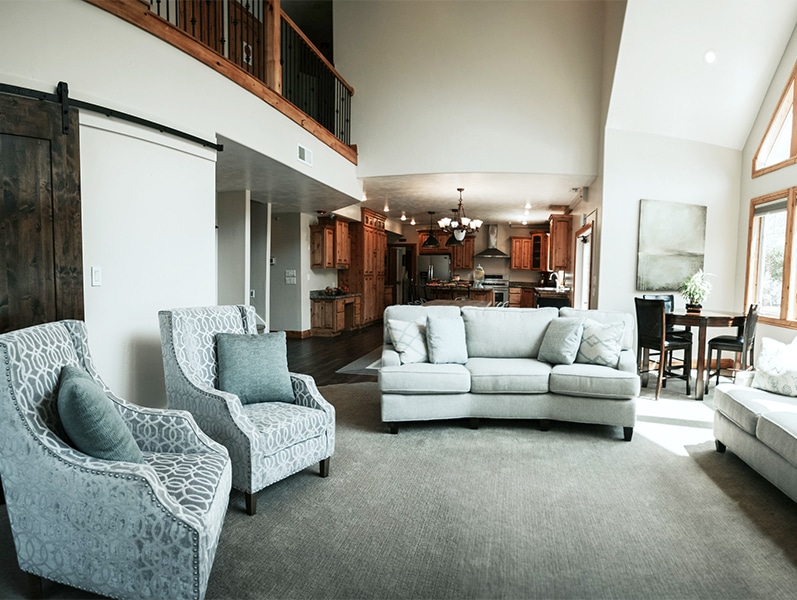
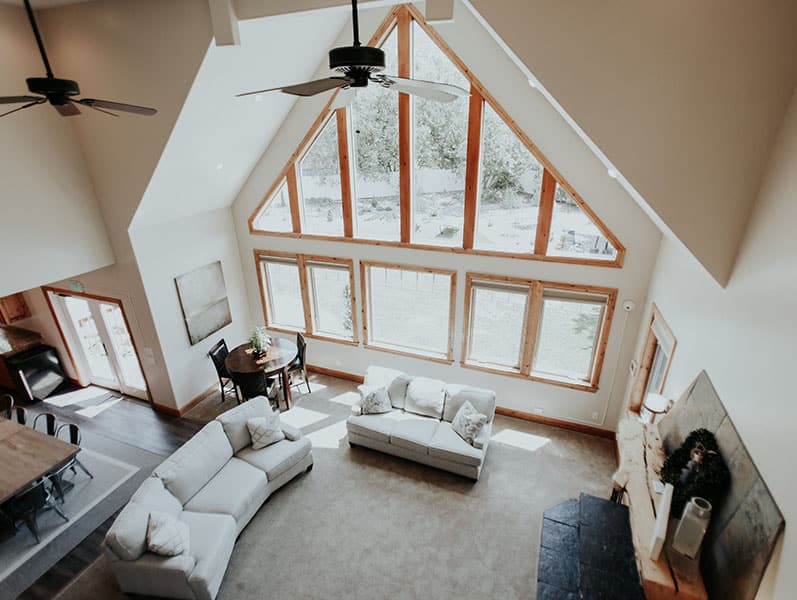
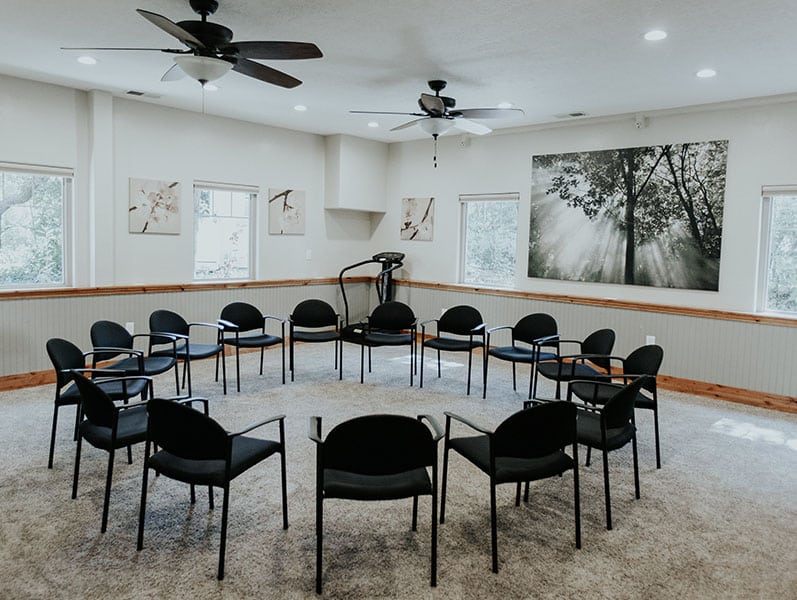
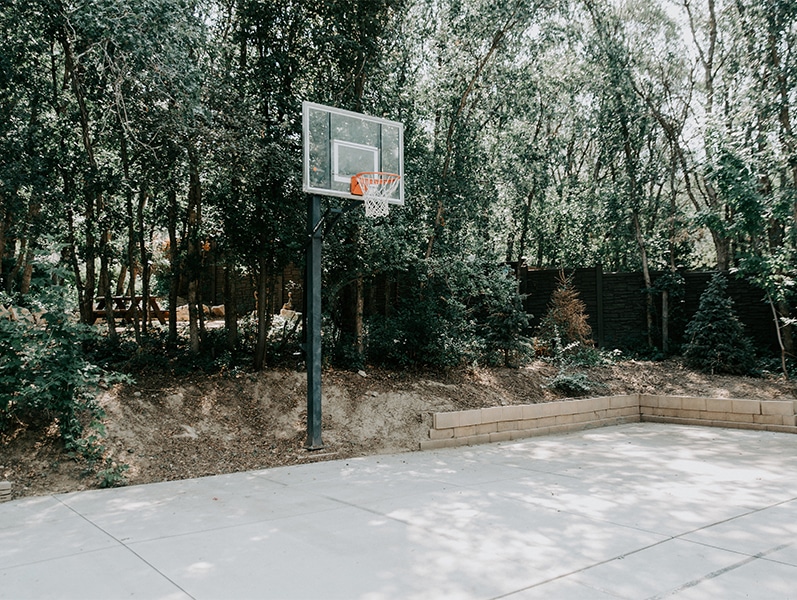
Upscale, private setting — Calm, quiet, and away from chaos.
Boutique treatment environment — Small-scale care with real attention.
Small, personalized program — Plans built around the person, not a template.
Family-centered support — Clear guidance for families and loved ones.
Structured routine + emotional safety — Predictable days that lower stress.
Premium care without a hospital feel — Comfortable, supportive, and human.
Direct Answer

Ecstasy (MDMA/Molly) addiction treatment: what is it and how does it help?

The short answer: Ecstasy (MDMA/Molly) addiction treatment helps you step out of the cycle of intense highs and difficult comedowns, stabilize mood and sleep, and rebuild a better life with structured support—starting with detox support and continuing with therapy and step-down care.

What to do next (simple):
  • Verify benefits (quick + confidential).
  • Talk with admissions about the safest level of care for your situation.
  • Start a plan for the next 24 hours—so you’re not doing this alone.

If you feel in danger right now, call 911. If you’re thinking about self-harm, call or text 988 (U.S.). This page is educational and not medical advice.

What is ecstasy (MDMA/Molly) and why can it become a problem?

Direct answer: MDMA is a synthetic drug that affects mood and perception and can create feelings of closeness, energy, and euphoria—but it can also increase risk for dangerous overheating and other medical complications, and repeated use can lead to escalating harms.

Why “Molly” can be unpredictable

  • Potency varies widely
  • Products may contain other substances
  • Mixing with alcohol/other drugs increases risk
  • Setting (heat, exertion, dehydration) matters

Unpredictability is one reason treatment is about safety and stability—not judgment.

Why people get stuck in the cycle

  • Chasing the connection/euphoria
  • Using again to avoid the comedown
  • Sleep disruption and mood swings
  • Using to cope with anxiety, trauma, or loneliness
Better-life framing: Treatment helps you feel okay in your own body again—so relationships, work, and self-respect can rebuild.
Safety

When is MDMA/ecstasy use an emergency and what should I do right now?

Direct answer: Treat it as an emergency if there are serious physical symptoms (overheating, seizure, breathing issues) or serious mental safety risks (severe confusion, suicidal thoughts). When in doubt, choose safety and get urgent help.

Call 911 now if

  • Very hot skin, overheating, collapse
  • Seizure, fainting, or unresponsiveness
  • Chest pain, severe headache, trouble breathing
  • Severe agitation or confusion you can’t calm
  • Any suspected overdose

Call/text 988 (U.S.) if

  • Suicidal thoughts or self-harm urges
  • Severe depression after using
  • “I don’t feel safe with myself”
  • You need immediate emotional support

If there’s immediate danger, call 911.

Get same-day help if

  • Panic/paranoia is escalating
  • You can’t sleep and feel out of control
  • You’re mixing substances (especially alcohol, stimulants, opioids)
  • You’re using repeatedly to avoid the comedown
  • You’re alone and feel unsafe
What to do while you’re getting help:
  • Stay with the person if they seem unsafe.
  • Keep the environment calm and reduce stimulation (lights/noise).
  • If you call 911, share what was taken and when (best estimate is fine).
  • Don’t drive if you’ve used or feel impaired.

This section is general safety information and not medical advice.

What are common signs ecstasy/MDMA use is becoming a problem?

Direct answer: Signs often look like using more often than planned, bigger comedowns, mood instability, sleep disruption, risky situations, and feeling like you “need” MDMA (or other substances) to feel connected or okay.

Body signs

  • Sleep disruption for days after
  • Jaw clenching, muscle tension
  • Dehydration/overheating episodes
  • Appetite changes and fatigue

Behavior signs

  • Using more often than “special occasions”
  • Spending problems or secrecy
  • Risky sex or unsafe environments
  • Mixing with alcohol/other drugs

Mood & mind signs

  • Comedown depression/anxiety
  • Irritability or emotional numbness
  • Craving closeness/euphoria again
  • Feeling “life is dull” without it
Green flag: If you’re noticing the comedown is getting harder or your life is shrinking around partying, a confidential assessment is a strong next step.
Quick self-check

Do I need ecstasy (MDMA/Molly) addiction treatment right now?

Direct answer: If you can’t cut back, comedowns are getting worse, or you’re mixing substances or taking bigger risks, it’s time to talk to a professional. This mini-check helps you choose a next step.

1) Have you tried to cut back but couldn’t?
2) Are you using more often than you planned (or “special occasions” are becoming regular)?
3) Are comedowns bringing depression, anxiety, panic, or insomnia?
4) Has MDMA use caused problems at work/school/home or in relationships?
5) Are you mixing MDMA with other substances (alcohol, stimulants, benzos, opioids, etc.)?
6) Are you taking bigger risks (unsafe environments, unsafe sex, driving impaired)?

This is not a diagnosis. If you feel unsafe, call 911. If you’re suicidal, call/text 988 (U.S.).

What does an MDMA comedown feel like and how long can it last?

Direct answer: Many people feel an “after-effect” period—fatigue, low mood, anxiety, irritability, and sleep disruption. For some, those symptoms can come in waves and can trigger repeat use or mixing substances to feel normal.

Typical: Exhaustion, sleepiness, low mood, appetite changes, “emotional flatness.”

If depression is severe or you feel unsafe, get urgent help (988/911 as appropriate).

Safety note: MDMA can cause severe medical complications including dangerous overheating and low sodium; if someone is very hot, confused, seizing, or collapses, call 911.
Options

What levels of care work best for ecstasy/MDMA addiction treatment?

Direct answer: The best plan matches your safety risk, frequency of use, mixing patterns, and mental health needs—often starting with detox support and continuing through structured therapy and step-down care.

Detox support (stabilization)

A structured start to help stabilize sleep, mood, cravings, and safety—especially if you’re mixing substances or the comedown is driving repeat use.

Best for:
High relapse risk, severe mood swings, unsafe environment
Focus:
Stability, routine, coping skills, next-step planning
Next step:
Residential or step-down care based on needs

Residential treatment (structured healing)

Daily therapy and skill-building in a calm, private setting—so you can address the “why” underneath the pattern and build a life that doesn’t require substances to feel connected or okay.

Best for:
Repeated use, mixing, co-occurring anxiety/depression/trauma
Focus:
Skills, relapse prevention, emotional safety, routine
Next step:
PHP/IOP + aftercare

PHP / IOP (step-down support)

Ongoing support while returning to responsibilities—so progress holds in real life and you can handle triggers without backsliding.

Best for:
Transitioning home, rebuilding routine, relapse prevention
Focus:
Triggers, coping, family systems, recovery planning
Next step:
Aftercare + community support
What therapies help most when stimulants or party drugs are involved?

Many people do best with skills-based, behavioral treatment combined with strong structure and accountability. Evidence-based approaches for stimulant-related disorders often include contingency management and CBT-style relapse prevention.

  • Contingency management (recovery-aligned incentives)
  • CBT + relapse prevention skills
  • Motivational interviewing and skills coaching
  • Integrated care for anxiety, depression, trauma

What can life look like after ecstasy/MDMA addiction treatment?

Direct answer: With the right plan, many people regain sleep, steadier mood, and real confidence—then rebuild relationships and routines. No one can promise outcomes, but treatment gives you structure and leverage.

What “stability” usually means first

  • More consistent sleep
  • Less anxiety and mood whiplash
  • Cravings that feel manageable
  • Better follow-through and clarity

What “better life” often means next

  • Feeling connected without substances
  • Healthier relationships and boundaries
  • Handling stress with skills
  • A real plan for triggers and weekends
In simple terms: Recovery becomes sustainable when your routine is predictable, your support is real, and your coping skills replace the drug.
For families

How can families help someone struggling with ecstasy/MDMA?

Direct answer: Lead with care, be specific about what you’ve noticed, and offer one clear next step (assessment). Avoid arguing—focus on safety and a plan.

What to say (copy/paste script)

“I’m not judging you. I’m worried because I’ve noticed sleep changes, mood swings, and harder comedowns. Can we talk with admissions today and make a plan?”

“If you want, I’ll sit with you while you call. We can verify insurance first if that feels easier.”

What helps most (practical)

  • Offer help with logistics (rides, calls, packing)
  • Set one boundary (no money, no covering)
  • Keep your tone calm and consistent
  • Get support for yourself too
If your loved one refuses help, what should you do next?

Start with a professional consult. You can learn what level of care fits and how to approach the next conversation. If there’s danger (overheating, collapse, severe confusion, suicidal talk), treat it as urgent and get emergency help.

Will insurance cover ecstasy/MDMA addiction treatment?

Direct answer: Many plans cover substance use treatment, but benefits vary. The fastest path is to verify benefits and confirm what’s covered for your specific plan.

Questions to ask (or let admissions check)

  • What levels of care are covered (detox support, residential, PHP, IOP)?
  • What is my deductible and out-of-pocket max?
  • Do I need pre-authorization?
  • Any day limits or medical-necessity rules?

Two simple next steps

  1. Verify Insurance (confidential).
  2. Talk to Admissions to map a plan.
FAQ

Ecstasy (MDMA/Molly) addiction treatment FAQs: what do people ask most?

Direct answer: These are the most common questions we hear from people who want a calm, clear next step.

Is MDMA/ecstasy addiction treatable?

Yes. Recovery is possible. Treatment usually focuses on stability, behavioral therapy, relapse prevention, and mental health support so progress holds in real life.

Do I need detox for MDMA?

Many people benefit from detox support when comedowns, cravings, insomnia, or mixing substances create high relapse or safety risk. Stabilizing first makes the next steps easier.

Why can MDMA be dangerous?

MDMA can cause serious medical complications including dangerous overheating and low sodium, and risks increase with heat, exertion, and mixing substances. If someone is very hot, confused, seizing, or collapses, call 911.

Is “Molly” always pure MDMA?

No. Street products can vary in potency and may contain other substances. That unpredictability increases risk and is one reason getting help early matters.

What does an MDMA comedown feel like?

Many people experience fatigue, low mood, anxiety, irritability, and sleep disruption. For some, those symptoms can trigger repeat use or mixing substances to feel normal.

What if I have anxiety, depression, or trauma too?

Treating mental health and substance use together is often essential. Integrated care reduces relapse risk and helps you build coping skills that last.

What should I do today if I’m unsure?

Take one step: verify insurance or call admissions for a confidential assessment. You’ll get clarity on safety, level of care, and what to do next—without pressure.

Where can I read more from trusted sources?

Direct answer: If you like to double-check information, these reputable resources are a good start.

If you’re overwhelmed, you don’t need to research everything. A short admissions call can turn uncertainty into a simple plan.

Mountain setting in Utah supporting a calm environment for addiction treatment

Why do people travel to Alpine Recovery Lodge in Utah for treatment?

Many people choose Alpine Recovery Lodge as a destination program in Utah because being away from daily triggers and distractions can make it easier to focus fully on recovery.

Located in Alpine, Utah, at the base of the mountains in Utah County, Alpine offers a calm, residential setting designed to support structure, stability, and healing.

Why Utah matters for recovery

  • Distance from unhealthy routines and triggers

  • A quiet, low-distraction environment

  • Natural surroundings that support calm and focus

  • A slower pace that helps reduce stress

Who destination treatment helps most

Destination treatment at Alpine is often a good fit for people who need space from their everyday environment and benefit from routine, structure, and fewer distractions.

Travel support

Alpine regularly works with clients from across Utah and out of state. Our admissions team helps coordinate arrival and next steps.

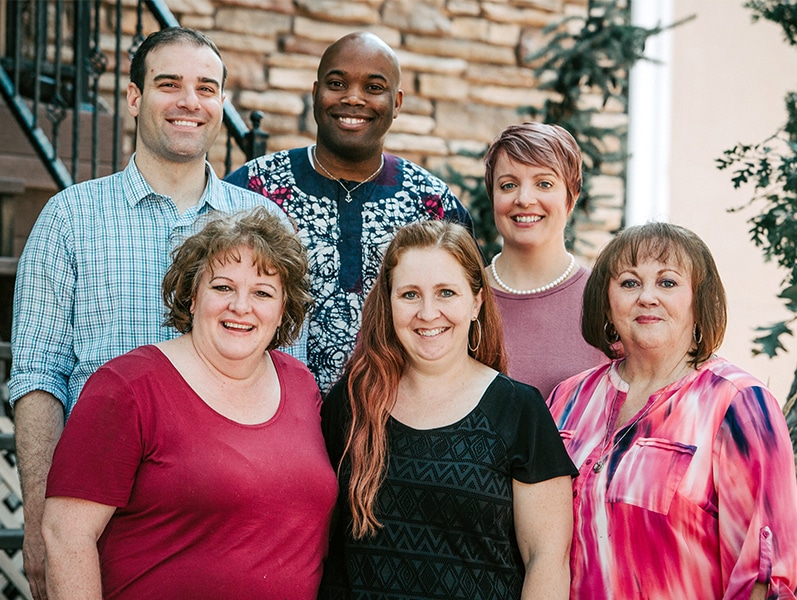
Clinical, Medical & Program Leadership Review

Medical Director

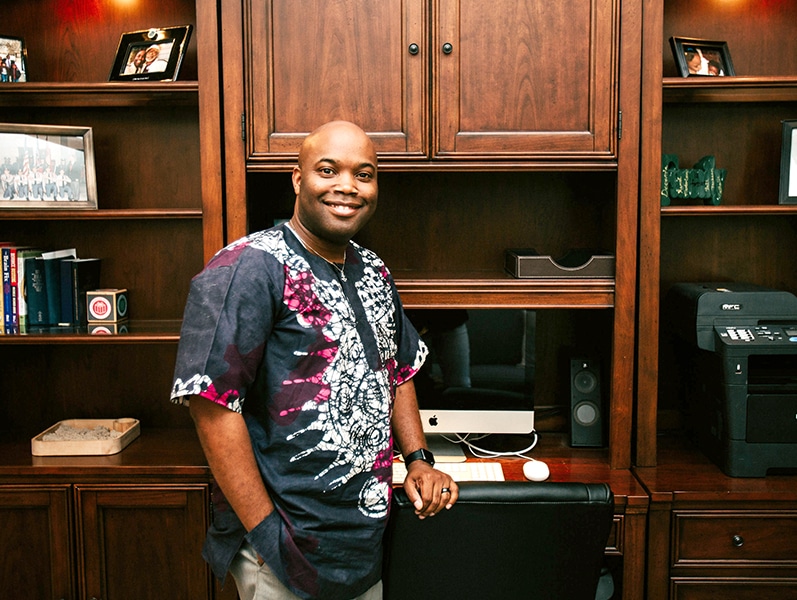
I have enjoyed serving as Medical Director at Alpine Recovery Lodge and working with a team that truly cares. Alpine has a strong approach. I value the trust within this leadership team and the way decisions are made thoughtfully. I believe in what we are doing here at Alpine. It is an honor to be part of a team that is committed to doing what’s right.

Hans Watson, DO
Medical Physician

I have been working at Alpine Recovery Lodge as a medical physician since 2016. I enjoy working with our staff and helping our patients recover. We have a very strong team approach and are dedicated to helping people through some difficult times in their lives. It is the most rewarding position I have had in my 30 years as a physician.
Donald, Harline, M.D.
Clinical Director

The work we do here at Alpine is unmeasurable. I love watching and helping people reach their goals through personal exploration, skills building, and confidence. The time spent at Alpine will never be forgotten and what you learn here you will take with you into all aspects of your life.

Kelli Bishop, LCSW
Program Director

“I’ve been at Alpine Recovery Lodge since 2014, and I truly love what we do here. Our team is united, steady, and dedicated to helping residents feel safe, supported, and understood while they heal. It’s an honor to walk alongside people in hard moments and then see them rebuild their lives—step by step—with real hope for what comes next.”

Montana Russel

If You’re Unsure What to Do Next

If you’re not sure which level of care is right, you don’t have to figure it out alone. Our admissions team will take the time to listen, answer your questions, and walk you through the options based on your situation.

There’s no pressure and no obligation—just a supportive conversation to help you understand what care may be most appropriate and what next steps could look like.

Call Alpine Recovery Lodge to talk with someone who can help you decide.
Confidential support is available.