
Residential Mental Health Treatment in Utah for Adults
When anxiety, depression, trauma, bipolar symptoms, mood instability, or emotional overwhelm makes everyday life hard to manage, Alpine Recovery Lodge provides structured, compassionate residential support in a calm Utah mountain setting.
- Private, confidential admissions support
- Residential care with step-down PHP and IOP options
- Most major insurance plans accepted
Not sure what kind of treatment is needed? That is okay. Our admissions team will listen, answer questions, and help you understand the safest next step.


What Is Mental Health Treatment at Alpine Recovery Lodge?
Mental health treatment at Alpine Recovery Lodge focuses on helping clients stabilize symptoms, understand emotional patterns, build coping skills, and create a safer foundation for daily life.
Treatment may support mental health symptoms on their own, or it may be integrated with substance use care when mental health and addiction are connected.
What Happens First When You Reach Out?
The first step is a private admissions conversation. You do not need to know the exact diagnosis, treatment length, or level of care before calling.
We listen to what is happening
Admissions asks about symptoms, safety concerns, daily functioning, medications, sleep, family concerns, substance use if present, and what support has or has not worked before.
We clarify the safest level of care
We help determine whether residential treatment, PHP, IOP, dual diagnosis care, mental health treatment, or another option may be the best fit.
We verify insurance privately
Alpine works with many major insurance providers. Our admissions team can privately verify benefits and help explain estimated coverage before you commit.
You get a clear next-step plan
The goal is to reduce confusion. You leave the conversation knowing what information is needed, what care may make sense, and what happens next.
What Mental Health Conditions Do We Treat?
Alpine Recovery Lodge provides individualized support for a range of mental health conditions. Treatment is not one-size-fits-all; the plan should match the person’s symptoms, history, safety needs, and goals.
Common concerns include anxiety, depression, trauma, PTSD, bipolar and mood disorders, OCD, personality disorders, and co-occurring substance use. Admissions can help determine whether Alpine’s level of care is appropriate.

Treatment Links That Help People Choose the Right Level of Care
Mental health symptoms can affect people differently. Some people need residential support, some need PHP or IOP, and others need integrated dual diagnosis care when mental health and substance use are connected.

How Is Mental Health Treated at Alpine Recovery Lodge?
Mental health care at Alpine is structured, compassionate, and personalized. The goal is to help clients understand symptoms, reduce overwhelm, build emotional regulation skills, and create a stable foundation for long-term wellbeing.
- Individual therapy: one-on-one support for symptoms, patterns, goals, and safety planning.
- Group therapy: structured support, skill-building, and healthy connection.
- DBT-informed skills: emotional regulation, distress tolerance, mindfulness, and relationship tools.
- CBT-informed work: identifying thought patterns, behaviors, triggers, and replacement strategies.
- Trauma-informed care: a calmer approach that avoids shame, pressure, or forcing disclosure too quickly.
- Family-aware support: guidance for loved ones when appropriate and helpful.
Specialized Therapy and Support Services
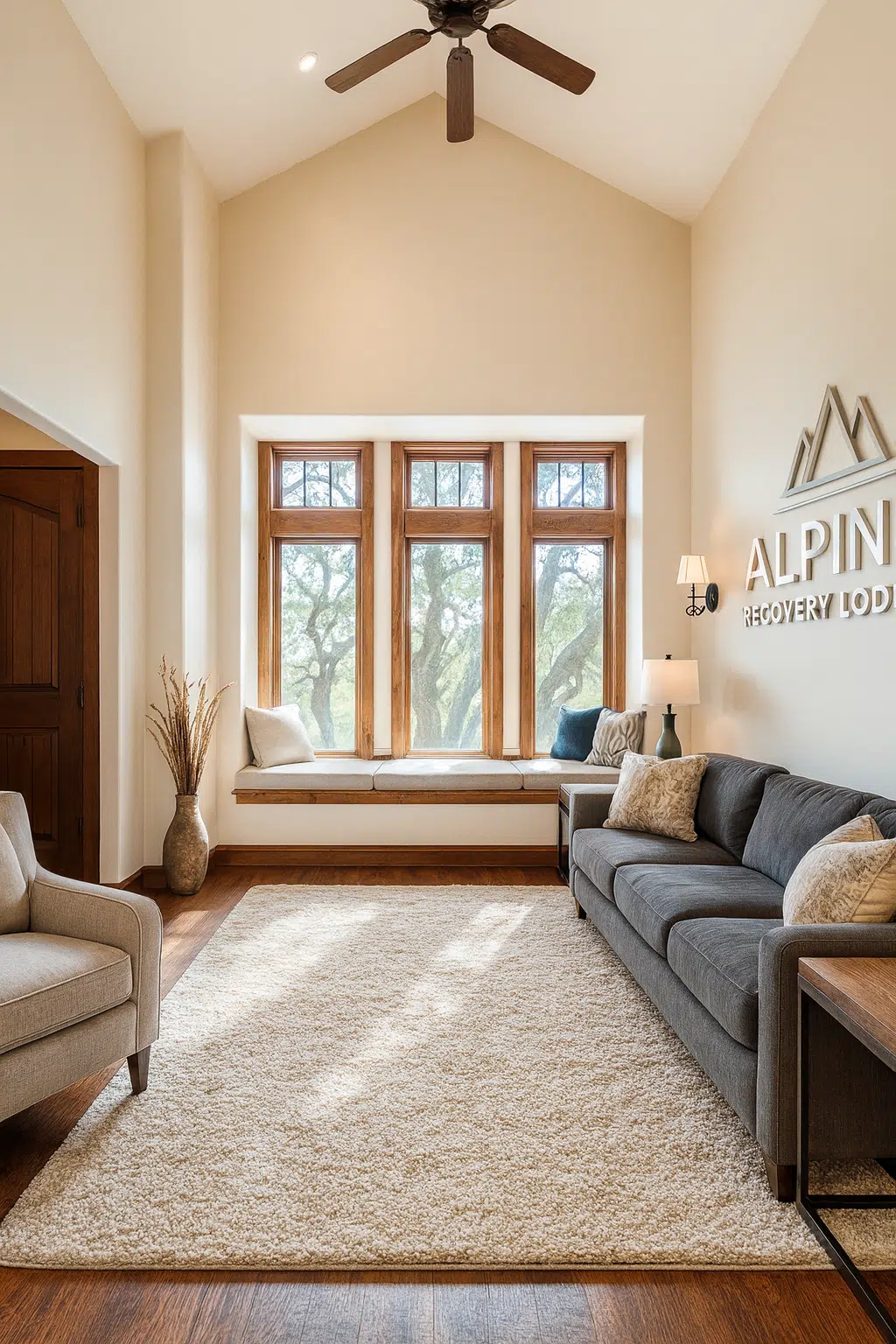
A Calm Look Inside Support at Alpine
Mental health treatment works best when people feel safe, supported, and able to participate.


Why Structured Mental Health Treatment Works
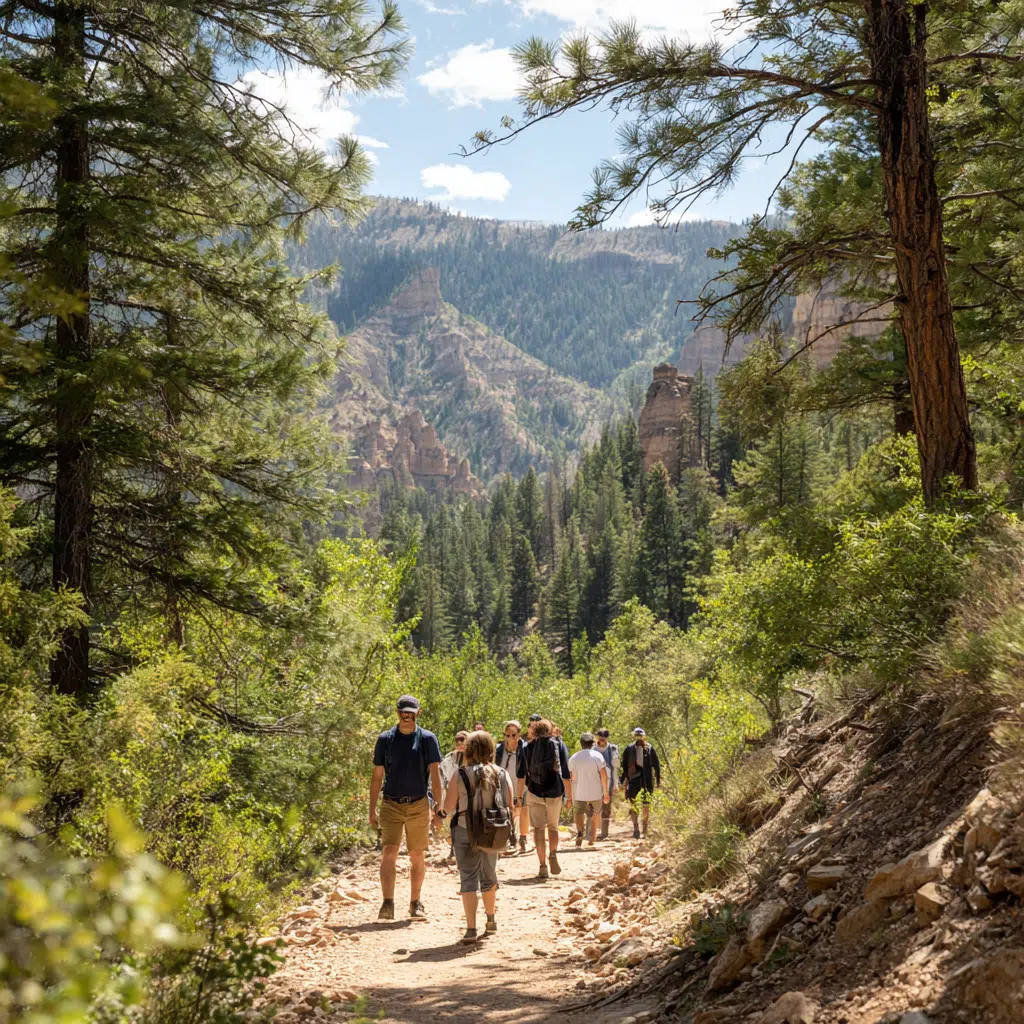
Structured treatment works because mental health symptoms often improve when the person has safety, consistency, therapy, healthy routines, and a clear plan for hard moments.
Many people know they need help, but weekly therapy is not always enough when symptoms are disrupting sleep, work, relationships, self-care, or emotional safety.
- Predictability lowers overwhelm: routine helps the nervous system settle.
- Skills turn insight into action: therapy becomes practical, not just reflective.
- Environment matters: calm spaces can reduce triggers and emotional overload.
- Support reduces isolation: clients do not have to carry symptoms alone.
- Step-down planning protects progress: PHP, IOP, and aftercare can support continued stability.
Why This Is Easier Than Trying to Manage It Alone
When mental health symptoms are intense, the person may spend most of their energy trying to hide, push through, keep working, avoid conflict, or appear “fine.” That can create exhaustion, shame, and emotional shutdown.
Treatment gives the person a safer place to slow down, understand what is happening, and build tools with support instead of trying to figure everything out alone.
Mental Health Treatment vs Dual Diagnosis Care
Alpine helps identify whether the primary concern is mental health alone or whether mental health symptoms and substance use are connected.
| Care Type | When It Fits | Main Focus | Related Alpine Link |
|---|---|---|---|
| Mental Health Treatment | Mental health symptoms are present without active substance use, or substance use is not the main concern. | Stabilization, therapy, emotional regulation, coping skills, and daily functioning. | Mental Health Treatment |
| Dual Diagnosis Treatment | Mental health symptoms and substance use happen together or influence each other. | Integrated support for mental health symptoms, substance use, relapse risk, and recovery planning. | Dual Diagnosis |
| Residential Treatment | Symptoms feel hard to manage at home or daily functioning has declined. | 24/7 structure, safety, routine, therapy, and stabilization. | Residential Treatment |
| PHP / IOP | The person can remain safe outside treatment but needs more support than weekly therapy. | Structured therapy while practicing skills in daily life. | PHP / IOP |
Mental Health Treatment May Help If...
- Anxiety, panic, sadness, or emotional numbness are affecting daily life.
- You have tried outpatient therapy, but symptoms still feel overwhelming.
- Your home environment feels stressful, chaotic, or triggering.
- You are struggling with mood swings, emotional reactivity, or shutdown.
- You have trauma symptoms that affect sleep, relationships, or self-worth.
- You are not sure whether this is mental health, substance use, or both.
- You need help but do not want to feel judged, pressured, or rushed.


Why Choose a Calm Setting for Mental Health Treatment?
A calm, structured setting can help reduce stress, overwhelm, and constant exposure to triggers. Alpine Recovery Lodge offers a private, mountain-based environment where clients can focus on stabilization, therapy, and emotional safety.
- Distance from daily stressors and triggering environments
- Quiet spaces that support nervous system regulation
- Predictable routines that lower decision fatigue
- Smaller, more personal treatment environment
- Supportive care without a hospital-like feel
What Should I Do Next?
You do not have to decide alone. Use the pathway below to choose the safest next step.
If you are unsure
Talk to admissions. We can help you sort out whether mental health treatment, dual diagnosis care, residential treatment, PHP, or IOP may fit.
Talk to AdmissionsIf you are ready
Verify insurance privately so you understand benefits, estimated coverage, and next steps before committing.
Verify InsuranceIf it feels urgent
Call now. If there is immediate danger, call 911. If you need immediate emotional support in the U.S., call or text 988.
Call NowIf Alpine is not the right level of care, admissions can still help you understand safer questions to ask and what options may make sense.
Mental Health Treatment Questions
Do I need to have a substance use issue to receive mental health treatment?
No. Alpine Recovery Lodge provides mental health treatment on its own when substance use is not present. Many people come specifically for anxiety, depression, mood disorders, trauma symptoms, PTSD, OCD, or emotional instability.
How do I know if I need mental health treatment or dual diagnosis care?
If mental health symptoms and substance use are connected or affecting each other, dual diagnosis care may be helpful. If substance use is not part of the picture, mental health treatment alone may be appropriate.
What makes residential mental health treatment different from outpatient care?
Residential treatment provides structure, daily therapy, and a supportive environment away from everyday stressors. It can be helpful when symptoms feel overwhelming or hard to manage at home.
What if I am not sure what level of care I need?
That is very common. You do not need to have the answer before calling. A confidential admissions conversation can help clarify whether residential treatment, PHP, IOP, or another level of care may fit.
Is mental health treatment at Alpine confidential?
Yes. Admissions calls, assessments, and treatment services are private and handled with care and respect.
Can mental health treatment help even if I have tried therapy before?
Yes. Many people seek residential or structured care after outpatient therapy has not been enough. A more immersive environment can help create space for deeper stabilization and skill-building.
How long does mental health treatment usually last?
Length of stay varies based on symptoms, needs, progress, and level of care. Treatment plans are individualized and adjusted over time.
What is the first step if I want to learn more?
The first step is simply reaching out. You can call admissions, start the admissions process, or verify insurance privately.
Printable Mental Health Treatment Decision Guide
Use this quick checklist to prepare for a conversation with admissions.
- I am struggling with anxiety, depression, trauma symptoms, mood instability, OCD, PTSD, or emotional overwhelm.
- My symptoms are affecting sleep, work, school, relationships, or daily functioning.
- Outpatient therapy has not been enough, or I need more structure right now.
- I am unsure whether this is mental health treatment, dual diagnosis care, PHP, IOP, or residential treatment.
- I want a private, low-pressure conversation before deciding.
- I want to understand insurance before committing.
Alpine Recovery Lodge Mental Health Treatment Decision Guide
Use this checklist to prepare for an admissions conversation.
- I am struggling with anxiety, depression, trauma symptoms, mood instability, OCD, PTSD, or emotional overwhelm.
- My symptoms are affecting sleep, work, school, relationships, or daily functioning.
- Outpatient therapy has not been enough, or I need more structure right now.
- I am unsure whether this is mental health treatment, dual diagnosis care, PHP, IOP, or residential treatment.
- I want a private, low-pressure conversation before deciding.
- I want to understand insurance before committing.
Next step: Call Alpine Recovery Lodge at 877-415-4060 or verify insurance online.
Start With One Private Conversation
If mental health symptoms are affecting your life, you do not have to figure out the next step alone. Alpine Recovery Lodge can help you understand your options, verify insurance, and choose a safer path forward.
Explore Related Mental Health and Treatment Resources
Use these links to learn more about mental health conditions, therapy options, treatment levels, insurance, and admissions at Alpine Recovery Lodge.