
Residential Treatment Program

Residential Treatment for Addiction and Mental Health

Residential treatment gives people a structured, supportive place to stabilize, build recovery skills, address substance use and mental health symptoms, and prepare for life after treatment. Alpine Recovery Lodge offers a calm, trauma-informed residential setting with therapy, DBT-informed skills, family support, and step-down planning.

Updated April 29, 2026

Quick answer

When does residential treatment make sense?

Residential treatment may be appropriate when addiction, relapse risk, withdrawal concerns, trauma, depression, anxiety, family conflict, or an unsafe home environment make it difficult to recover with weekly therapy or outpatient care alone.

It is not about being “bad enough.” It is about whether someone needs more structure, more support, and more distance from the patterns that keep pulling them back into substance use or emotional crisis.

A calm place to stabilize

A residential setting should feel structured, safe, and human.

The environment matters. Many people arrive exhausted from crisis cycles, relapse, family stress, withdrawal concerns, depression, anxiety, or shame. Residential treatment gives them a place to slow down, participate in therapy, practice coping skills, and start building a realistic recovery plan.

At Alpine Recovery Lodge, residential care is built around structure and support, not punishment. Clients are guided through a day-to-day rhythm that helps them stabilize while they learn what needs to change after treatment.

Calm residential treatment setting at Alpine Recovery Lodge
A calm residential setting can help clients step out of survival mode and focus on stabilization, therapy, and recovery skills.
Who residential care is for

Residential treatment is for people who need more than advice, willpower, or weekly support.

Substance use feels hard to stop

Residential care can help when someone keeps returning to alcohol, opioids, fentanyl, meth, cocaine, benzodiazepines, prescriptions, or other substances even after serious consequences.

Mental health symptoms are involved

Many people need support for depression, anxiety, trauma, mood instability, shame, grief, panic, or emotional overwhelm alongside substance use treatment.

The home environment is not working

Residential treatment creates distance from triggers, conflict, access to substances, unhealthy routines, and the pressure to “act fine” while struggling.

Safety note

If someone is at immediate risk of harming themselves or someone else, has severe confusion, seizures, chest pain, loss of consciousness, or dangerous withdrawal symptoms, call 911 or go to the nearest emergency room.

What happens in residential treatment

Residential treatment creates structure while the person practices recovery in real time.

At Alpine Recovery Lodge, residential care is designed to help clients stabilize, understand what is driving addiction or mental health symptoms, learn practical coping skills, and build a realistic plan for what comes after treatment.

Core parts of care

  • Clinical assessment and treatment planning
  • Individual therapy and group therapy
  • DBT-informed coping and emotion regulation skills
  • Trauma-informed support
  • Dual diagnosis care when mental health and substance use overlap
  • Family communication and support when appropriate
  • Relapse prevention and aftercare planning

What residential care helps reduce

  • Unstructured time that leads to relapse
  • Immediate access to substances
  • Isolation, secrecy, and shame
  • Family crisis cycles
  • Untreated mental health symptoms
  • Leaving detox without a next-step plan
  • Trying to recover alone before skills are stable
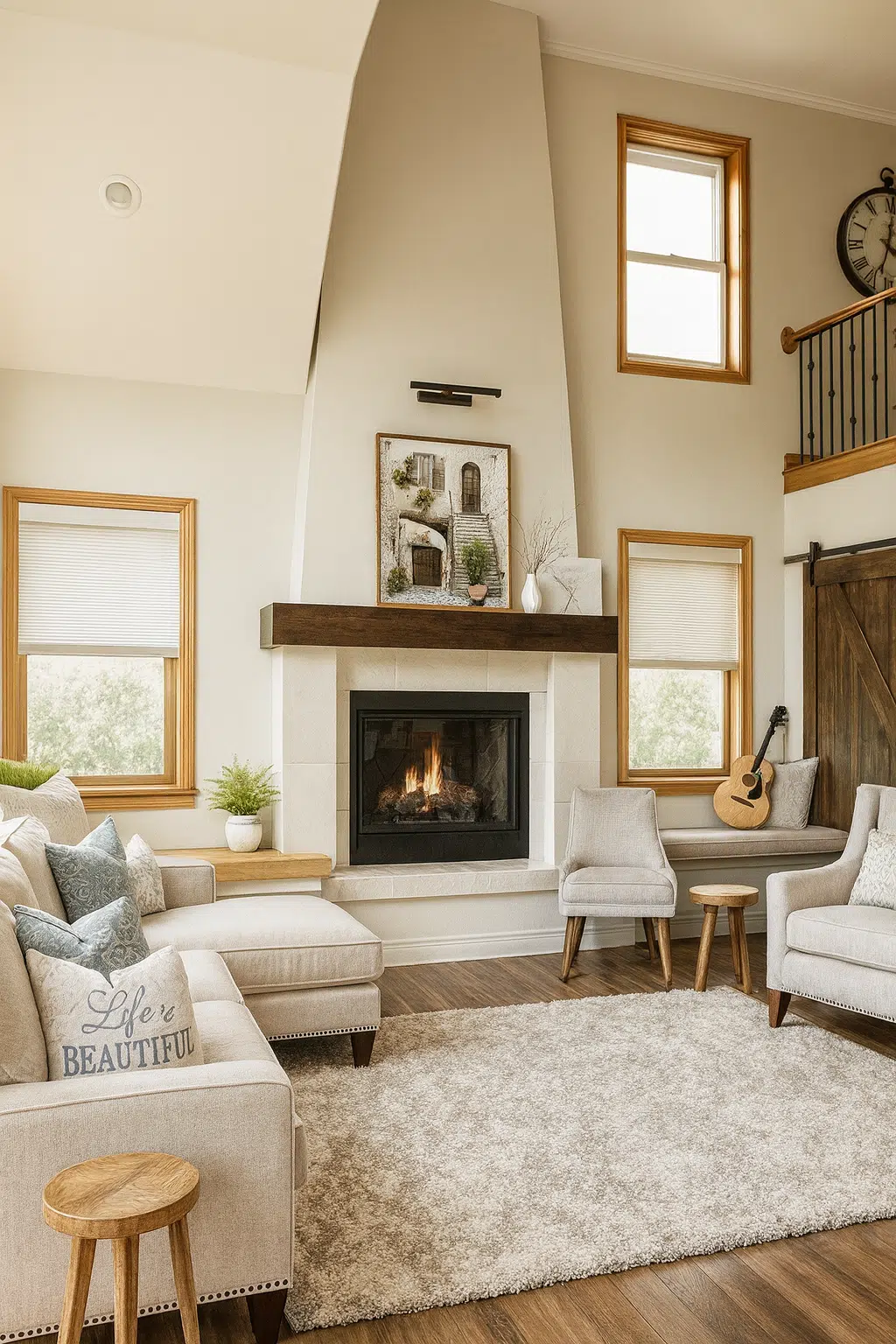
Warm fireplace and peaceful residential treatment environment at Alpine Recovery Lodge
Residential care should feel steady and supportive, especially for clients and families who have been living in crisis mode.
What we commonly see

Many people do not need “more lectures.” They need a safer structure.

At Alpine, families often call after months or years of trying to manage addiction or mental health symptoms at home. They have tried promises, consequences, outpatient appointments, family talks, or short periods of sobriety. The problem is not that the person does not care. The problem is that their current structure is not strong enough to interrupt the cycle.

Residential treatment gives the person time, space, clinical support, and daily repetition. That combination matters because recovery is not only a decision. It is a pattern of new skills practiced consistently until they become more stable.

Residential vs other levels of care

How residential treatment compares to detox, PHP, IOP, and outpatient care

Level of Care Best For Common Role in Recovery When It May Not Be Enough
Detox Withdrawal stabilization and safety support Helps someone begin safely when stopping substances may cause withdrawal symptoms Detox alone usually does not address long-term relapse patterns, trauma, skills, or mental health treatment needs
Residential Treatment People who need structure, therapy, skills, distance from triggers, and daily support Helps stabilize routines, address root issues, and build recovery skills in a supportive setting May need step-down care afterward to practice recovery with more independence
PHP / Day Treatment People who need intensive daytime treatment but do not need overnight residential structure Often used after residential or when someone needs more than IOP May not be enough if the home environment is unsafe or relapse risk is high
IOP People who need structured outpatient support while living at home or in supportive housing Helps reinforce skills, accountability, and relapse prevention May not be enough during active crisis, heavy substance use, or unstable mental health symptoms
Weekly Outpatient Therapy People with stable safety, lower relapse risk, and enough support at home Can help maintain progress and continue emotional work May not provide enough structure for active addiction, repeated relapse, or severe instability

Why step-down care matters

Residential treatment is often strongest when it is part of a continuum. Many clients benefit from moving from residential treatment into PHP, IOP, aftercare, therapy, recovery support, and family accountability instead of returning home with no structure.

Signs residential treatment may be needed

Clear signs that a higher level of care may help

Personal warning signs

  • Repeated attempts to stop or cut back have not lasted
  • Substance use continues despite health, legal, job, school, or family consequences
  • The person feels unable to stay sober in their current environment
  • Cravings, withdrawal, or emotional distress feel unmanageable
  • Depression, anxiety, trauma, or shame are driving use
  • Daily life has become centered around hiding, using, recovering, or repairing damage

Family warning signs

  • Loved ones are constantly monitoring, rescuing, or crisis-managing
  • There are repeated broken promises after consequences
  • The family is afraid to set boundaries
  • Arguments, secrecy, or emotional volatility keep escalating
  • Outpatient therapy or support has not been enough
  • The family does not know what is safe anymore
Why Alpine

Why families choose Alpine Recovery Lodge for residential treatment

Calm, private setting

Alpine provides a quieter residential environment where clients can step away from chaos and focus on stabilization, therapy, and recovery skills.

Dual diagnosis support

Substance use and mental health symptoms often reinforce each other. Alpine helps clients look at both instead of treating addiction in isolation.

DBT-informed skills

Clients practice skills for emotion regulation, distress tolerance, mindfulness, relationships, boundaries, and relapse prevention.

Trauma-informed care

Many people use substances to cope with unresolved pain, fear, grief, or nervous system dysregulation. Alpine approaches treatment with safety and respect.

Family support

When appropriate, Alpine helps families understand what is happening, what helps, what does not help, and what boundaries may be needed.

Step-down planning

Residential treatment should not end with a cliff. Alpine helps clients plan the next level of support, including PHP, IOP, aftercare, and ongoing recovery resources.

Cost and insurance clarity

Most Major Insurance Plans Accepted

Insurance benefits can vary by plan, level of care, deductible, out-of-pocket max, coinsurance, authorization requirements, and behavioral health benefits. The fastest way to understand your options is to verify benefits privately before making a decision.

Most Major Insurance Plans Accepted

Alpine Recovery Lodge works with many major insurance providers. Our admissions team can privately verify your benefits, explain your estimated coverage, and help you understand your options before you commit.

Private verification · Clear next steps · No pressure to commit.

What happens after you reach out

The first step is simple, private, and low-pressure.

1. Talk with admissions

We listen to what is happening, what substances or symptoms are involved, what feels urgent, and what kind of support may be needed.

2. Verify benefits

With permission, we can check insurance benefits and explain estimated coverage, authorization needs, and possible next steps.

3. Make a safe plan

If Alpine is appropriate, we help with next steps. If not, we can still help you understand what level of care may be safer.

What not to do

What not to do when someone may need residential treatment

Avoid waiting for “rock bottom”

Rock bottom can mean overdose, arrest, job loss, medical crisis, family rupture, or worsening mental health. Earlier support is often safer than waiting for more damage.

Avoid choosing care based only on location

The closest program is not always the right fit. Compare clinical structure, dual diagnosis support, family involvement, step-down planning, and insurance clarity.

Avoid detox without a next step

Detox may help someone begin safely, but many people need residential or step-down care afterward to address relapse patterns and mental health symptoms.

Avoid arguing during crisis

If someone is escalated, intoxicated, or unsafe, focus on immediate safety and professional guidance instead of trying to win a debate.

What should I do next?

Choose the next step that fits where you are right now.

If you are unsure

Start by talking with admissions. You do not need to know the perfect level of care before calling. We can help you understand whether detox, residential treatment, PHP, IOP, or another option may fit.

Talk to Admissions

If you are ready

Verify insurance benefits privately so you can understand estimated coverage and options before committing to treatment.

Verify Insurance

If it feels urgent

Call now. If there is immediate danger, call 911 or go to the nearest emergency room. If the situation is not an emergency but cannot wait, admissions can help you plan the safest next step.

Call Now

FAQ

Residential Treatment FAQ

What is residential treatment?

Residential treatment is a structured level of care where clients live in a supportive treatment setting while receiving therapy, skills training, relapse prevention, mental health support, and daily recovery structure.

Is residential treatment the same as inpatient rehab?

People often use the terms together, but they can mean different things depending on the provider, insurance plan, and clinical setting. Residential treatment usually refers to live-in behavioral health treatment with structured therapy and recovery support.

Who needs residential treatment instead of outpatient care?

Residential care may be appropriate when someone has repeated relapse, high cravings, unstable mental health symptoms, trauma, unsafe home dynamics, limited support, or difficulty staying sober with outpatient care alone.

Does residential treatment include detox?

Some people need detox before residential treatment, especially when withdrawal symptoms may be risky or difficult to manage alone. Admissions can help determine whether detox should happen first.

How long does residential treatment last?

Length varies by clinical need, insurance authorization, progress, and step-down planning. Many people benefit from several weeks of residential treatment followed by PHP, IOP, therapy, or aftercare support.

Does insurance help pay for residential treatment?

Many major insurance plans may include behavioral health or substance use treatment benefits, but coverage depends on the specific plan. Alpine can privately verify benefits and explain estimated coverage before you commit.

Can residential treatment help with mental health and addiction together?

Yes. This is often called dual diagnosis care. Alpine supports clients whose substance use is connected with depression, anxiety, trauma, mood symptoms, grief, shame, or emotional dysregulation.

What happens after residential treatment?

Many clients step down into PHP, IOP, therapy, aftercare, recovery support, or a structured home plan. The goal is to leave with a realistic continuation plan instead of returning home without support.

Printable resource

Residential Treatment Decision Checklist

Use this checklist to decide whether residential treatment may be worth discussing with admissions or a trusted professional.

Residential treatment may be worth considering if:

  • Stopping alcohol or drug use has not lasted despite serious effort.
  • The person keeps relapsing after promises, consequences, or outpatient care.
  • Withdrawal, cravings, or emotional distress feel hard to manage safely.
  • Mental health symptoms are part of the cycle.
  • The home environment includes conflict, access to substances, or repeated triggers.
  • The family is exhausted, scared, or unsure what boundaries are safe.
  • The person needs a next step after detox.
  • Weekly therapy or IOP does not feel like enough structure right now.

Questions to ask before choosing a program:

  • Do you treat addiction and mental health symptoms together?
  • What does a normal day look like?
  • How do you involve family when appropriate?
  • What happens after residential treatment?
  • Do you help verify insurance benefits before admission?
  • What level of care do you recommend and why?
Final next step

You do not have to figure this out alone.

If residential treatment might be the right next step, Alpine Recovery Lodge can help you understand options, verify insurance benefits, and decide what level of care makes sense. If Alpine is not the right fit, we can still help you understand what questions to ask and what kind of support may be safer.

Residential Treatment Program

Residential Treatment for Addiction and Mental Health

Residential treatment gives people a structured, supportive place to stabilize, build recovery skills, address substance use and mental health symptoms, and prepare for life after treatment. Alpine Recovery Lodge offers a calm, trauma-informed residential setting with therapy, DBT-informed skills, family support, and step-down planning.

Updated April 30, 2026

Quick answer

When does residential treatment make sense?

Residential treatment may be appropriate when addiction, relapse risk, withdrawal concerns, trauma, depression, anxiety, family conflict, or an unsafe home environment make it difficult to recover with weekly therapy or outpatient care alone.

It is not about being “bad enough.” It is about whether someone needs more structure, more support, and more distance from the patterns that keep pulling them back into substance use or emotional crisis.

A calm place to stabilize

A residential setting should feel structured, safe, and human.

The environment matters. Many people arrive exhausted from crisis cycles, relapse, family stress, withdrawal concerns, depression, anxiety, or shame. Residential treatment gives them a place to slow down, participate in therapy, practice coping skills, and start building a realistic recovery plan.

At Alpine Recovery Lodge, residential care is built around structure and support, not punishment. Clients are guided through a day-to-day rhythm that helps them stabilize while they learn what needs to change after treatment.

Calm residential treatment setting at Alpine Recovery Lodge
A calm residential setting can help clients step out of survival mode and focus on stabilization, therapy, and recovery skills.
Who residential care is for

Residential treatment is for people who need more than advice, willpower, or weekly support.

Substance use feels hard to stop

Residential care can help when someone keeps returning to alcohol, opioids, fentanyl, meth, cocaine, benzodiazepines, prescriptions, or other substances even after serious consequences.

Mental health symptoms are involved

Many people need support for depression, anxiety, trauma, mood instability, shame, grief, panic, or emotional overwhelm alongside substance use treatment.

The home environment is not working

Residential treatment creates distance from triggers, conflict, access to substances, unhealthy routines, and the pressure to “act fine” while struggling.

Safety note

If someone is at immediate risk of harming themselves or someone else, has severe confusion, seizures, chest pain, loss of consciousness, or dangerous withdrawal symptoms, call 911 or go to the nearest emergency room.

What happens first

The first step is not pressure. It is clarity.

1. We listen first

Admissions starts by understanding what is happening right now: substance use, mental health symptoms, safety concerns, recent relapse, family stress, and whether detox may need to happen first.

2. We look at level of care

You do not need to know whether residential, detox, PHP, IOP, or outpatient care is the right fit before reaching out. Alpine helps you understand what level of support may be safest.

3. We verify insurance

With permission, Alpine can privately verify benefits, explain estimated coverage, and help you understand options before you commit to treatment.

Most Major Insurance Plans Accepted

Private verification · Clear next steps · No pressure to commit.

Why this works

Residential treatment works by changing the structure around the person long enough for new patterns to start.

Many people do not recover because they received one perfect insight. They recover because they get enough structure, support, repetition, therapy, accountability, and skills practice to interrupt the cycle they have been living in.

Distance from triggers

Residential care creates space from access to substances, crisis patterns, high-conflict routines, and environments that make recovery harder.

Daily skill practice

DBT-informed skills, group work, individual therapy, and relapse prevention become part of the daily rhythm instead of something the person tries to remember during crisis.

Integrated treatment

Addiction, trauma, depression, anxiety, shame, and relationship strain often overlap. Residential treatment gives time to address the full pattern instead of only the most visible symptom.

Warm fireplace and peaceful residential treatment environment at Alpine Recovery Lodge
Residential care should feel steady and supportive, especially for clients and families who have been living in crisis mode.
Why this is easier than staying stuck

Staying in the same cycle can become harder than getting help.

Families often wait because treatment feels like a big step. But the ongoing cycle of relapse, arguments, fear, promises, secrecy, withdrawal, emotional crashes, and last-minute crisis management can become even more exhausting.

Residential treatment gives the person and family a clearer path: stabilize, understand what is driving the pattern, practice skills, involve support when appropriate, and build a step-down plan instead of trying to solve everything at home in crisis mode.

What happens in residential treatment

Residential treatment creates structure while the person practices recovery in real time.

At Alpine Recovery Lodge, residential care is designed to help clients stabilize, understand what is driving addiction or mental health symptoms, learn practical coping skills, and build a realistic plan for what comes after treatment.

Core parts of care

  • Clinical assessment and treatment planning
  • Individual therapy and group therapy
  • DBT-informed coping and emotion regulation skills
  • Trauma-informed support
  • Dual diagnosis care when mental health and substance use overlap
  • Family communication and support when appropriate
  • Relapse prevention and aftercare planning

What residential care helps reduce

  • Unstructured time that leads to relapse
  • Immediate access to substances
  • Isolation, secrecy, and shame
  • Family crisis cycles
  • Untreated mental health symptoms
  • Leaving detox without a next-step plan
  • Trying to recover alone before skills are stable
Residential vs other levels of care

How residential treatment compares to detox, PHP, IOP, and outpatient care

Level of Care Best For Common Role in Recovery When It May Not Be Enough
Detox Withdrawal stabilization and safety support Helps someone begin safely when stopping substances may cause withdrawal symptoms Detox alone usually does not address long-term relapse patterns, trauma, skills, or mental health treatment needs
Residential Treatment People who need structure, therapy, skills, distance from triggers, and daily support Helps stabilize routines, address root issues, and build recovery skills in a supportive setting May need step-down care afterward to practice recovery with more independence
PHP / Day Treatment People who need intensive daytime treatment but do not need overnight residential structure Often used after residential or when someone needs more than IOP May not be enough if the home environment is unsafe or relapse risk is high
IOP People who need structured outpatient support while living at home or in supportive housing Helps reinforce skills, accountability, and relapse prevention May not be enough during active crisis, heavy substance use, or unstable mental health symptoms
Outpatient Treatment People with stable safety, lower relapse risk, and enough support at home Can help maintain progress and continue emotional work May not provide enough structure for active addiction, repeated relapse, or severe instability

Why step-down care matters

Residential treatment is often strongest when it is part of a continuum. Many clients benefit from moving from residential treatment into PHP, IOP, aftercare, therapy, recovery support, and family accountability instead of returning home with no structure.

Signs residential treatment may be needed

Clear signs that a higher level of care may help

Personal warning signs

  • Repeated attempts to stop or cut back have not lasted
  • Substance use continues despite health, legal, job, school, or family consequences
  • The person feels unable to stay sober in their current environment
  • Cravings, withdrawal, or emotional distress feel unmanageable
  • Depression, anxiety, trauma, or shame are driving use
  • Daily life has become centered around hiding, using, recovering, or repairing damage

Family warning signs

  • Loved ones are constantly monitoring, rescuing, or crisis-managing
  • There are repeated broken promises after consequences
  • The family is afraid to set boundaries
  • Arguments, secrecy, or emotional volatility keep escalating
  • Outpatient therapy or support has not been enough
  • The family does not know what is safe anymore
If this sounds like you

If residential treatment has been on your mind, that probably means something important is happening.

You do not have to wait until everything falls apart. If substance use, mental health symptoms, relapse, withdrawal concerns, or family crisis cycles are becoming harder to manage, it is reasonable to ask whether a higher level of care could help.

Alpine Recovery Lodge can help you understand whether residential treatment, detox, PHP, IOP, or another option makes the most sense. The goal is clarity first, not pressure.

Why Alpine

Why families choose Alpine Recovery Lodge for residential treatment

Calm, private setting

Alpine provides a quieter residential environment where clients can step away from chaos and focus on stabilization, therapy, and recovery skills.

Dual diagnosis support

Substance use and mental health symptoms often reinforce each other. Alpine helps clients look at both instead of treating addiction in isolation.

DBT-informed skills

Clients practice skills for emotion regulation, distress tolerance, mindfulness, relationships, boundaries, and relapse prevention.

Trauma-informed care

Many people use substances to cope with unresolved pain, fear, grief, or nervous system dysregulation. Alpine approaches treatment with safety and respect.

Family support

When appropriate, Alpine helps families understand what is happening, what helps, what does not help, and what boundaries may be needed.

Step-down planning

Residential treatment should not end with a cliff. Alpine helps clients plan the next level of support, including PHP, IOP, aftercare, and ongoing recovery resources.

Cost and insurance clarity

Most Major Insurance Plans Accepted

Insurance benefits can vary by plan, level of care, deductible, out-of-pocket max, coinsurance, authorization requirements, and behavioral health benefits. The fastest way to understand your options is to verify benefits privately before making a decision.

Most Major Insurance Plans Accepted

Alpine Recovery Lodge works with many major insurance providers. Our admissions team can privately verify your benefits, explain your estimated coverage, and help you understand your options before you commit.

Private verification · Clear next steps · No pressure to commit.

What not to do

What not to do when someone may need residential treatment

Avoid waiting for “rock bottom”

Rock bottom can mean overdose, arrest, job loss, medical crisis, family rupture, or worsening mental health. Earlier support is often safer than waiting for more damage.

Avoid choosing care based only on location

The closest program is not always the right fit. Compare clinical structure, dual diagnosis support, family involvement, step-down planning, and insurance clarity.

Avoid detox without a next step

Detox may help someone begin safely, but many people need residential or step-down care afterward to address relapse patterns and mental health symptoms.

Avoid arguing during crisis

If someone is escalated, intoxicated, or unsafe, focus on immediate safety and professional guidance instead of trying to win a debate.

What should I do next?

Choose the next step that fits where you are right now.

If you are unsure

Start by talking with admissions. You do not need to know the perfect level of care before calling. We can help you understand whether detox, residential treatment, PHP, IOP, or another option may fit.

Talk to Admissions

If you are ready

Verify insurance benefits privately so you can understand estimated coverage and options before committing to treatment.

Verify Insurance

If it feels urgent

Call now. If there is immediate danger, call 911 or go to the nearest emergency room. If the situation is not an emergency but cannot wait, admissions can help you plan the safest next step.

Call Now

FAQ

Residential Treatment FAQ

What is residential treatment?

Residential treatment is a structured level of care where clients live in a supportive treatment setting while receiving therapy, skills training, relapse prevention, mental health support, and daily recovery structure.

Is residential treatment the same as inpatient rehab?

People often use the terms together, but they can mean different things depending on the provider, insurance plan, and clinical setting. Residential treatment usually refers to live-in behavioral health treatment with structured therapy and recovery support.

Who needs residential treatment instead of outpatient care?

Residential care may be appropriate when someone has repeated relapse, high cravings, unstable mental health symptoms, trauma, unsafe home dynamics, limited support, or difficulty staying sober with outpatient care alone.

Does residential treatment include detox?

Some people need detox before residential treatment, especially when withdrawal symptoms may be risky or difficult to manage alone. Admissions can help determine whether detox should happen first.

How long does residential treatment last?

Length varies by clinical need, insurance authorization, progress, and step-down planning. Many people benefit from several weeks of residential treatment followed by PHP, IOP, therapy, or aftercare support.

Does insurance help pay for residential treatment?

Many major insurance plans may include behavioral health or substance use treatment benefits, but coverage depends on the specific plan. Alpine can privately verify benefits and explain estimated coverage before you commit.

Can residential treatment help with mental health and addiction together?

Yes. This is often called dual diagnosis care. Alpine supports clients whose substance use is connected with depression, anxiety, trauma, mood symptoms, grief, shame, or emotional dysregulation.

What happens after residential treatment?

Many clients step down into PHP, IOP, therapy, aftercare, recovery support, or a structured home plan. The goal is to leave with a realistic continuation plan instead of returning home without support.

Printable resource

Residential Treatment Decision Checklist

Use this checklist to decide whether residential treatment may be worth discussing with admissions or a trusted professional.

Residential treatment may be worth considering if:

  • Stopping alcohol or drug use has not lasted despite serious effort.
  • The person keeps relapsing after promises, consequences, or outpatient care.
  • Withdrawal, cravings, or emotional distress feel hard to manage safely.
  • Mental health symptoms are part of the cycle.
  • The home environment includes conflict, access to substances, or repeated triggers.
  • The family is exhausted, scared, or unsure what boundaries are safe.
  • The person needs a next step after detox.
  • Weekly therapy or IOP does not feel like enough structure right now.

Questions to ask before choosing a program:

  • Do you treat addiction and mental health symptoms together?
  • What does a normal day look like?
  • How do you involve family when appropriate?
  • What happens after residential treatment?
  • Do you help verify insurance benefits before admission?
  • What level of care do you recommend and why?
Final next step

You do not have to figure this out alone.

If residential treatment might be the right next step, Alpine Recovery Lodge can help you understand options, verify insurance benefits, and decide what level of care makes sense. If Alpine is not the right fit, we can still help you understand what questions to ask and what kind of support may be safer.