
Alcohol Rehab and Alcohol Addiction Treatment
Alcohol rehab helps you stop drinking safely, stabilize your body and mind, and build a realistic plan for long-term recovery. Alpine Recovery Lodge offers private alcohol rehab with detox support, residential treatment, PHP, IOP, dual diagnosis care, family support, and fast insurance verification.
Updated May 2, 2026
Alpine Recovery Lodge works with many major insurance providers. Our admissions team can privately verify your benefits, explain your estimated coverage, and help you understand your options before you commit.

Private, Boutique Setting
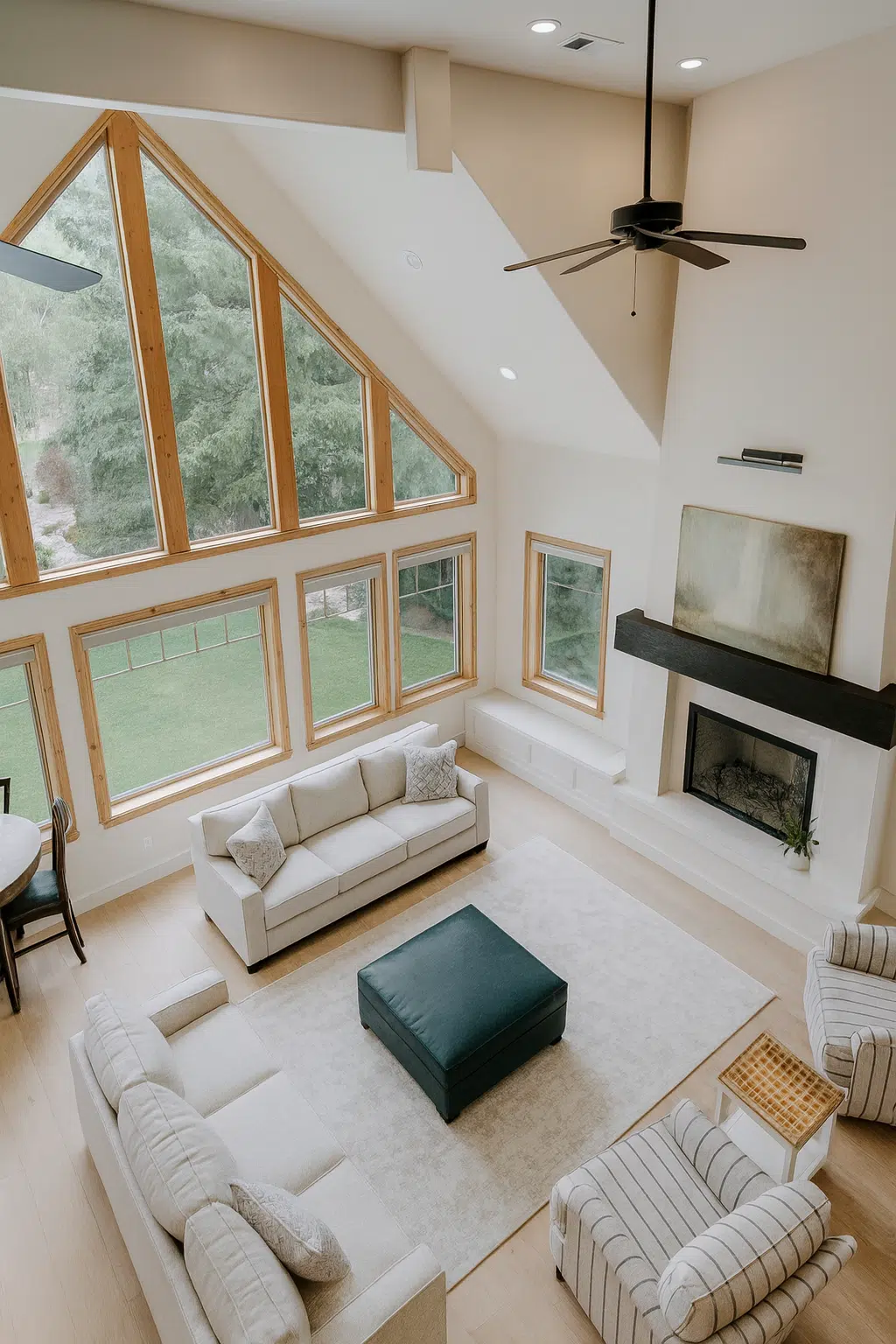
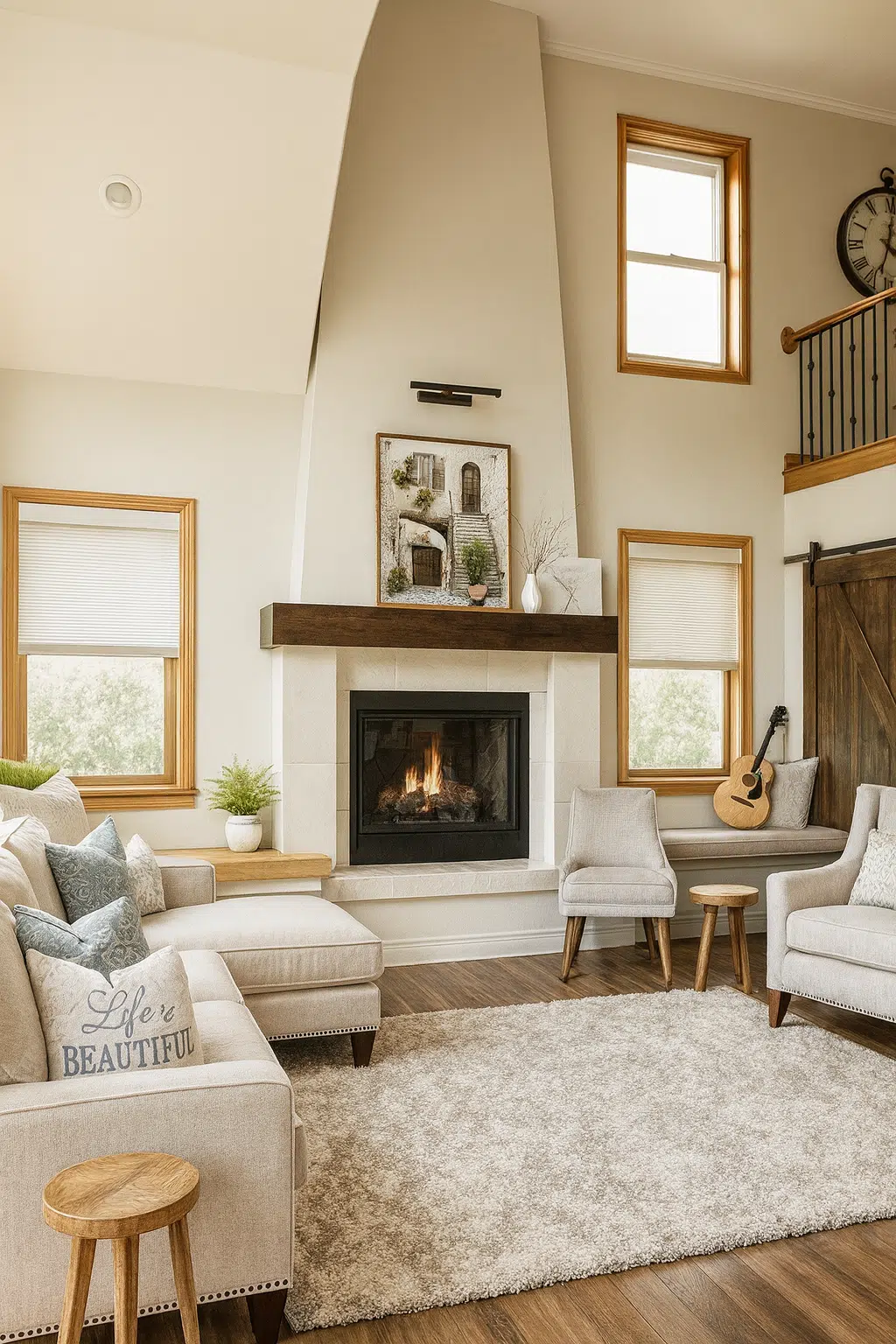
Alpine Recovery Lodge offers a calm, comfortable treatment environment without a hospital feel.
Structured Daily Support
Predictable routines, therapy, skills groups, and staff support help reduce chaos and rebuild stability.
Dual Diagnosis Care
Many people need help with alcohol patterns, anxiety, depression, trauma, and relapse triggers at the same time.
Family-Centered Guidance
Families receive clearer next steps, healthier communication tools, and support for boundaries.
Step-Down Planning
Care can move from detox support to residential treatment, PHP, IOP, and aftercare as stability improves.
Fast Insurance Verification
Admissions can help you understand estimated benefits before making a treatment decision.
What is alcohol use disorder?
Alcohol use disorder, or AUD, is a medical condition where drinking becomes hard to control even when it causes harm. It is not a willpower problem. Alcohol can change the brain’s stress, reward, sleep, and coping systems over time.
Many people with AUD still work, parent, care about their families, and want to stop. The problem is that alcohol can become the main way the body and brain try to manage stress, anxiety, pain, trauma, insomnia, or emotional overwhelm.
- Tolerance: needing more alcohol to feel the same effect.
- Withdrawal: feeling sick, shaky, sweaty, anxious, or unable to sleep when alcohol wears off.
- Cravings: strong urges to drink that feel hard to ignore.
What is alcohol rehab?
Alcohol rehab is a structured treatment program that helps a person stop drinking, stabilize safely, understand what is driving the alcohol pattern, and build tools to stay sober after treatment.
Detox Support
For people who may feel sick, shaky, panicky, or unsafe when they stop drinking.
Learn about detoxResidential Treatment
For people who need a full reset away from triggers, daily stress, and drinking environments.
Learn about residential treatmentStep-Down Care
PHP, IOP, and aftercare help people practice recovery skills while returning to life with support.
Learn about PHPMini Self-Assessment: Do I have signs of alcohol use disorder?
This checklist is not a diagnosis. It can help you decide whether it may be time to ask for a professional assessment.

Signs of alcohol addiction
Alcohol addiction is not just “drinking a lot.” It is when alcohol starts controlling sleep, mood, decisions, relationships, health, or daily responsibilities.
- You drink more often or more than you planned.
- You need more alcohol to feel the same effect.
- You cannot relax, sleep, or feel normal without drinking.
- You miss work, school, parenting, or family time because of alcohol.
- You feel guilt, shame, or fear after drinking.
- You keep drinking even after health, legal, work, or relationship problems.
What this can feel like: “I can stop for a little while, but I always go back.” “I do not even want to drink anymore, but I feel like I have to.” “My brain will not shut off unless I drink.”
When to seek help right now
Alcohol withdrawal can become serious for some people. If symptoms feel severe or unsafe, do not try to handle it alone.
Urgent warning signs
- Confusion or seeing/hearing things that are not there.
- Severe shaking, fever, or nonstop vomiting.
- Chest pain, fainting, or trouble breathing.
- Seizure symptoms.
- Thoughts of self-harm.
What to do
If you think someone is in immediate danger, call 911 or go to the nearest emergency room. If it is not an emergency but you are worried, Alpine Recovery Lodge can help you understand safer next steps.
Call AdmissionsAlcohol Withdrawal and Detox Timeline
Everyone’s body is different. This is a general timeline of what some people experience when they stop drinking.
| Time Since Last Drink | What You Might Feel | What Helps |
|---|---|---|
| 6–12 hours | Anxiety, sweating, nausea, headache, trouble sleeping. | Calm support, hydration, monitoring, rest. |
| 24–48 hours | Shaking, irritability, high anxiety, fast heart rate. | Structure, supportive care, steady routines. |
| 48–72 hours | Symptoms may peak for some people. | Close support and a safe environment. |
| 72+ hours | Many people begin to stabilize; sleep may improve slowly. | Continued support, therapy, and relapse-prevention planning. |
Important: Alcohol withdrawal can be dangerous for some people. If you have had severe withdrawal before or feel afraid to stop, do not white-knuckle it alone. Getting support early can prevent escalation.
What level of care do I need?
The safest plan is the one that matches your withdrawal risk, mental health symptoms, relapse history, home support, and daily responsibilities.
| Level of Care | Who It’s For | Time Commitment | Main Goal | What Happens |
|---|---|---|---|---|
| Detox Support | People stopping alcohol who need a safer start. | Short-term stabilization. | Stabilize and start recovery. | Support, structure, monitoring, comfort care, next-step planning. |
| Residential Treatment | People who need a full reset away from triggers. | 24/7 treatment setting. | Heal the “why” underneath drinking. | Therapy, groups, routine, relapse prevention, family support. |
| PHP / Day Treatment | People who need strong support with more flexibility. | Most days per week. | Practice recovery skills daily. | Therapy, groups, coping skills, planning, accountability. |
| IOP | People stepping down while returning to life. | Several days per week. | Stay accountable and stable. | Groups, relapse prevention, support, aftercare planning. |
Your first 24 hours at Alpine Recovery Lodge
The first step is not pressure. It is stabilization, orientation, and a clear plan. You do not have to feel perfectly ready to begin.
- Private arrival and welcome: calm, respectful, and no judgment.
- Check-in and orientation: what happens next is explained simply.
- Comfort and basic needs: food, hydration, rest, quiet, and support.
- Support plan begins: stabilization, structure, and clinical direction.
- Next-step roadmap: detox support, residential, PHP, IOP, or aftercare planning.

Why structured alcohol rehab helps
Alcohol rehab works best when it gives the person more than a place to stop drinking. It gives them a repeatable system for handling cravings, emotions, stress, relationships, trauma triggers, and relapse risk.
Stabilization
The body and nervous system need time, safety, sleep, nutrition, and routine to settle.
Skill Building
Therapy and groups help clients practice coping skills before they return to normal stress.
Relapse Prevention
Clients identify triggers, warning signs, high-risk situations, and a realistic plan for support.
Alcohol recovery feels hard, but staying stuck is exhausting
Many people wait because they are afraid treatment will disrupt their life. But alcohol often already is disrupting life—through sleep problems, anxiety, shame, conflict, health concerns, missed responsibilities, and fear of stopping.
Treatment gives you a safer place to stop guessing. Instead of trying to manage cravings and withdrawal alone, you get structure, support, and a step-by-step plan.
Clearer next step: You can start with one private call or insurance verification. Alpine can still guide you even if our program is not the right fit.
What treatment for alcohol addiction looks like
Treatment is not punishment. It is support, structure, and real tools.
In treatment, you can work on:
- Triggers like stress, trauma, relationship pain, and burnout.
- Anxiety and depression that fuel drinking.
- Coping skills for cravings and hard emotions.
- Sleep routines and daily structure.
- Relapse prevention planning.
- Family healing and healthy boundaries.
What can get better with help:
- Clearer thinking.
- Better sleep patterns.
- Calmer emotions.
- Less isolation and shame.
- A stronger support plan.
- More confidence handling cravings.
You do not have to wait until things get worse
If alcohol is affecting your health, sleep, mood, relationships, work, parenting, safety, or ability to feel like yourself, it is reasonable to ask for help now.
If you feel sick when you stop
Start by asking about detox support and safety. Do not try to force withdrawal alone if symptoms feel risky.
Detox supportIf alcohol is wrecking daily life
Residential treatment may provide the fastest reset because it removes triggers and adds daily structure.
Residential treatmentIf you need ongoing accountability
PHP, IOP, and aftercare can help you keep building stability while returning to life.
Intensive outpatientWhat not to do when alcohol feels out of control
| What most people try | Why it often fails | Safer alternative |
|---|---|---|
| White-knuckling withdrawal alone. | Withdrawal can become unsafe for some people. | Ask about detox support and symptom risk. |
| Waiting until “rock bottom.” | Alcohol patterns can get stronger with time. | Get guidance as soon as alcohol is costing you peace, sleep, or safety. |
| Arguing during conflict. | Shame and defensiveness usually increase. | Use calm, short language and one clear next step. |
| Only treating the drinking. | Anxiety, depression, trauma, and stress can keep relapse patterns alive. | Choose care that also addresses mental health and coping skills. |
Common myths about alcohol addiction and rehab
Many people delay treatment because of myths. The truth is that support can help before life completely falls apart.
| Myth | Fact |
|---|---|
| “If I was strong, I could stop.” | AUD changes the brain and body. Support helps you reset and rebuild. |
| “Rehab is punishment.” | Rehab is structure, care, tools, and support—not shame. |
| “I’m not bad enough.” | If alcohol is costing you peace, sleep, health, or relationships, help can make sense. |
| “I’ll lose my life if I go.” | The goal is to help you return to life steadier, safer, and more prepared. |
How can families help without making things worse?
Families help most by staying calm, setting clear boundaries, and getting support—not by arguing, chasing, threatening, or trying to control every outcome.
Common mistakes
- Trying to talk someone out of drinking during conflict.
- Making threats that are not realistic.
- Covering up consequences in a way that accidentally enables.
- Doing everything alone without support.
Healthier alternatives
- Speak calmly and keep it short.
- Set one clear boundary and follow through.
- Offer one clear next step: call, assessment, or visit.
- Get family guidance so you are not guessing.
Mini script: “I love you. I’m not here to fight. I’m worried. I want help finding a safe plan. Can we make one call today?”

What can get worse if I keep waiting?
Waiting can make alcohol patterns stronger and mental health symptoms harder to manage.
| If you wait… | A safer alternative… |
|---|---|
| Cravings often grow stronger. | Get support early so you do not spiral. |
| Sleep and anxiety often worsen. | Build steady routines and coping skills. |
| Relationships can keep breaking. | Get family support and healthier boundaries. |
| Withdrawal fear increases. | Detox support can help you stabilize more safely. |
| Shame and isolation grow. | A structured program can help you feel human again. |
What does success look like after alcohol rehab?
Success often looks like clearer thinking, better sleep, calmer emotions, and a plan you can follow when stress hits. Everyone’s path is different, and progress can be gradual.
Body and sleep
Sleep may not be perfect right away, but many people begin building healthier rhythms over time.
Cravings and stress
Cravings can become less frightening when you know what to do and who to call.
Relationships
Trust can begin healing through boundaries, support, honesty, and consistent follow-through.

How insurance verification works
Understanding the cost of treatment can feel overwhelming. Alpine Recovery Lodge can privately verify your benefits and help you understand your estimated coverage before you decide what to do next.
- You submit insurance information privately.
- Admissions reviews benefits and possible levels of care.
- You receive clear next steps before committing.
- If Alpine is not the right fit, the team can still help you understand options.
Not sure what to do next? Start here.
If you are unsure
Start with a private admissions conversation. You can explain what is happening and ask which level of care may fit.
Talk to AdmissionsIf you are ready
Verify insurance so you can understand benefits, estimated coverage, and treatment options before committing.
Verify InsuranceIf it feels urgent
If there is immediate danger, call 911. If you need fast treatment guidance, call Alpine now.
Call NowAlcohol Rehab Decision Checklist
Use this quick checklist to decide whether it may be time to ask for alcohol treatment support.
Print-Friendly Alcohol Rehab Checklist
- I have tried to cut back and could not stay stopped.
- I feel sick, shaky, anxious, sweaty, or unable to sleep when I stop drinking.
- Alcohol is affecting my health, work, parenting, school, or relationships.
- I use alcohol to sleep, calm down, or turn off my brain.
- I hide, minimize, or feel ashamed about drinking.
- I have had consequences but still return to alcohol.
- I may need help choosing between detox support, residential treatment, PHP, IOP, or aftercare.
Next step: Verify insurance, talk to admissions, or call 877-415-4060 for private guidance.
Alcohol Rehab FAQ
Is alcohol withdrawal dangerous?
It can be for some people. If you have had severe withdrawal before, feel unsafe, or have symptoms like confusion, chest pain, seizures, severe shaking, or thoughts of self-harm, get help right away.
Do I have to hit rock bottom before alcohol rehab?
No. If alcohol is costing you sleep, peace, health, safety, work, parenting, or relationships, help can make sense now.
Can I work on anxiety or depression in alcohol treatment?
Yes. Many people need support for alcohol patterns and mental health at the same time. Alpine Recovery Lodge offers dual diagnosis support for substance use and mental health concerns.
What if my loved one refuses help?
A family call can help you plan boundaries and next steps without chaos. You can ask for support even if your loved one is not ready yet.
How do I know what level of care I need?
A short assessment can help match your situation to detox support, residential treatment, PHP, IOP, or aftercare planning.
Is treatment confidential?
Yes. Calls and insurance verification are handled privately. Admissions can explain next steps before you commit to treatment.
What should I bring to alcohol rehab?
Bring comfortable clothes, basic toiletries, identification, insurance information, and any approved medications or required documents. Alpine admissions can confirm what to bring before arrival.
What happens after alcohol rehab?
Aftercare planning helps you transition into support, routines, relapse prevention, family boundaries, outpatient care, alumni support, or other recovery resources.
Trusted sources about alcohol use disorder and withdrawal
For additional education, these outside resources explain alcohol use disorder, alcohol withdrawal, and substance use treatment in more detail. Open external links in a new tab when adding them in WordPress.
If you are unsure what to do next, Alpine can help you decide
You do not have to know whether you need detox support, residential treatment, PHP, IOP, or another option before you call. Alpine Recovery Lodge can listen, verify insurance privately, explain estimated benefits, and help you understand the safest next step.
No pressure. No obligation. Clear guidance, even if Alpine is not the right fit.