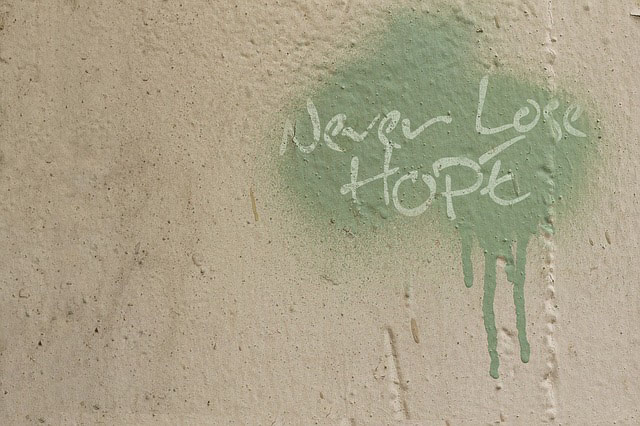
Recovery Quotes for Strength, Hope, and Sobriety
Updated: April 26, 2026
Recovery quotes can help people in sobriety pause, reflect, and remember why they are choosing a healthier life. The best recovery sayings are not magic words; they are reminders to stay connected, use coping skills, ask for help, and take the next right step.
In addiction recovery, a short quote can become a grounding tool during cravings, shame, fear, boredom, or stress. Alpine Recovery Lodge uses practical recovery skills, relapse prevention, family support, and structured treatment to help people build more than inspiration — we help them build a plan.
Why Recovery Quotes Can Help
Recovery quotes can help because they give the mind something steady to return to when emotions feel loud. A short phrase can interrupt shame, slow down a craving, remind someone to call support, or help them choose the next healthy action.
Quotes are most useful when they are paired with action. A saying like “one day at a time” becomes stronger when it leads to a real step: attending a meeting, calling a sober support person, going to therapy, eating a meal, leaving a trigger, or asking for treatment help.
Important clarity: Inspirational quotes are not a replacement for detox, treatment, therapy, support groups, medication support when appropriate, or emergency care. They are small tools that can support a larger recovery plan.
Recovery Quotes and Sayings for Strength
Use these recovery sayings as reflection prompts, journal starters, meeting discussion topics, or quick reminders when cravings or stress appear.
“One honest step is stronger than one perfect plan.”
Use this when recovery feels overwhelming and you need to choose the next safe action.
“A craving is a wave, not a command.”
Use this when an urge feels urgent but you need to delay, breathe, and call support.
“Recovery grows in the places secrecy used to live.”
Use this when shame tells you to hide instead of reaching out.
“You do not have to feel ready to take the next right step.”
Use this when motivation is low but safety still matters.
“Today is not forever. It is just today.”
Use this when early sobriety feels too big to imagine long term.
“Support is not weakness. It is recovery protection.”
Use this when pride or fear makes you want to handle everything alone.
“The relapse plan starts before the relapse.”
Use this when warning signs appear and you need to step up support early.
“You can be accountable without attacking yourself.”
Use this when guilt or regret turns into shame.
“The old coping skill got you through; the new one gets you free.”
Use this when substances once felt like survival but now keep you stuck.
Helpful external references: SAMHSA on recovery and recovery support, SAMHSA support groups and local programs, and NIDA on treatment and recovery.
Sobriety Quotes for Cravings, Shame, and Hard Days
Different recovery moments need different reminders. Choose one that matches what you are facing right now.
| When you feel... | Recovery quote | Next healthy action |
|---|---|---|
| A craving | “I do not have to obey every urge.” | Delay for 20 minutes, change your environment, and call someone safe. |
| Shame | “Shame asks me to hide. Recovery asks me to tell the truth safely.” | Text or call one trusted support person and say what is really happening. |
| Overwhelmed | “I only need the next right step.” | Choose one action: eat, shower, attend group, call admissions, or go to a safe place. |
| Angry | “I can pause before I make this worse.” | Step away, breathe, use grounding, and return to the conversation later. |
| Lonely | “Connection is part of my recovery plan.” | Attend a group, call sober support, or schedule time with someone recovery-safe. |
| Tempted to quit treatment | “Discomfort is not proof that treatment is wrong.” | Talk with your therapist, case manager, support group, or admissions team before leaving care. |
| Afraid of relapse | “Fear is a signal to strengthen my plan, not hide from it.” | Review warning signs, remove access, and increase support immediately. |
How to Use Recovery Quotes Without Relying on Willpower Alone
A quote becomes useful when it leads to a recovery behavior. Use this simple process when a saying stands out to you.
Choose one quote for the day
Pick one saying that speaks to your current recovery challenge. Do not try to memorize everything. Choose one phrase and make it practical.
Connect it to a real trigger
Ask, “When do I need this quote most?” It may be during cravings, family conflict, shame, boredom, loneliness, or overconfidence.
Pair it with one action
Every quote should have a behavior attached to it. For example: call support, attend group, leave a trigger, eat, hydrate, write, breathe, or ask for help.
Share it with someone safe
A quote becomes more powerful when it starts a conversation. Share it with a sponsor, peer, therapist, family member, or support group.
Use it as a relapse prevention reminder
Put your quote somewhere visible: phone lock screen, journal, bathroom mirror, car, wallet, or recovery worksheet.
Interactive Recovery Quote Reflection Tool
Choose what you are feeling right now and this tool will give you a quote plus one practical next step.
Recovery Quotes by Situation
Use this table to match the quote to the recovery moment. The quote is the reminder; the action is the recovery skill.
| Situation | Quote to remember | Skill to use | Support to contact |
|---|---|---|---|
| Cravings | “A craving is a wave, not a command.” | Urge surfing, delay, movement, grounding. | Sponsor, sober peer, therapist, treatment team. |
| Shame | “Shame grows in secrecy; recovery grows in truth.” | Safe disclosure, journaling, accountability. | Therapist, group, trusted family member. |
| Family conflict | “Repair is built one consistent action at a time.” | Pause, listen, boundary, repair plan. | Family therapist, counselor, support group. |
| Boredom | “A simple sober day is still progress.” | Schedule, movement, sober activity, connection. | Sober friend, peer group, outpatient support. |
| Fear of relapse | “Fear means strengthen the plan.” | Trigger map, relapse plan, remove access. | Admissions, therapist, sponsor, trusted support. |
| Early sobriety | “I do not have to solve my whole life today.” | One-day focus, basic needs, routine. | Treatment team, group, family support. |
Myth vs. Fact: Recovery Inspiration
| Myth | Fact | Better approach |
|---|---|---|
| “If I read enough quotes, I should feel better.” | Quotes can help, but recovery also needs action, support, and structure. | Pair every quote with one recovery behavior. |
| “Needing inspiration means I am weak.” | Everyone needs reminders. Recovery is easier when support is visible and repeatable. | Use quotes as grounding tools, not proof of weakness. |
| “Positive thinking can prevent relapse.” | Positive thinking is not enough when cravings, withdrawal, trauma, or mental health symptoms are active. | Use relapse prevention, treatment, therapy, and support. |
| “A bad day means recovery is not working.” | Bad days happen in recovery. What matters is how quickly you use your plan. | Tell someone, use skills, and return to the next right step. |
| “Hope means I should be fixed already.” | Hope means change is possible. Healing still takes time, consistency, and care. | Measure progress by honest steps, not perfection. |
Alpine Insight: In recovery, the most helpful words are the ones that lead to action. A quote should not become a way to avoid help; it should become a bridge toward help.
What Not to Do With Recovery Quotes
Recovery quotes are helpful when they support real recovery. They can become unhelpful when they replace honesty, treatment, or accountability.
- Do not use quotes to hide relapse risk. If cravings are strong, tell someone and step up support.
- Do not confuse inspiration with a treatment plan. Detox, therapy, support groups, and structured care may still be needed.
- Do not shame yourself for not feeling inspired. Recovery is still possible on days that feel flat or difficult.
- Do not use “positive thinking” to ignore mental health symptoms. Anxiety, depression, trauma, and suicidal thoughts need real support.
- Do not rely on quotes alone after relapse. Get safe, tell someone, and reassess the level of care needed.
Family Guidance: Using Encouragement Without Pressure
Families often want to say something inspiring, but the wrong kind of encouragement can feel like pressure. The goal is to support recovery without minimizing how hard it is.
Helpful things to say
- “I am proud of the honest steps you are taking.”
- “You do not have to handle this craving alone.”
- “What support would help you today?”
- “We can talk about repair one step at a time.”
- “I love you, and I also need healthy boundaries.”
- “Let’s call for support before this gets worse.”
What to avoid saying
- “Just stay positive.”
- “You should be over this by now.”
- “If you loved us, you would stop.”
- “You already went to treatment, so why is this hard?”
- “Everything will be fine if you just try harder.”
- “I can fix this for you.”
What families commonly need: language that is loving, clear, and boundaried. Alpine Recovery Lodge can help families understand relapse prevention, treatment levels, support groups, family roles, and next steps when recovery feels unstable.
Treatment Path: When Inspiration Is Not Enough
Quotes can encourage recovery, but some situations require a higher level of care. If cravings, relapse, withdrawal, trauma, depression, anxiety, or unsafe behavior are present, more support may be needed.
Assess what is really happening
Identify whether the person is dealing with cravings, withdrawal, relapse risk, trauma symptoms, depression, anxiety, unsafe housing, or lack of support.
Use detox if withdrawal is involved
If physical dependence or withdrawal risk is present, detox may be needed before deeper recovery work begins.
Use residential treatment when structure is needed
Residential treatment can help when recovery feels too unstable to manage at home.
Treat mental health and substance use together
If recovery is complicated by anxiety, depression, trauma, PTSD, bipolar symptoms, or emotional dysregulation, dual diagnosis treatment can help.
What Should I Do Next?
Use this decision table to move from inspiration into a practical recovery step.
| Your situation | Best next step | Alpine resource |
|---|---|---|
| Immediate danger, overdose risk, suicidal thoughts, psychosis, or severe withdrawal | Call 911 or go to the nearest emergency room. | After stabilization, call Alpine for treatment planning. |
| You need encouragement but are currently safe | Choose one quote, pair it with one action, and contact support. | Use the printable quote sheet below. |
| Cravings or relapse risk are increasing | Tell someone, remove access to triggers, and ask about treatment support. | Talk to Admissions |
| Withdrawal or physical dependence is present | Ask whether detox is needed before trying to stop alone. | Detox at Alpine Recovery Lodge |
| You are unsure what level of care is right | Verify insurance and talk through the situation with admissions. | Verify Insurance |
What Happens After You Reach Out to Alpine
Reaching out does not mean you are forced into treatment. It gives you clearer information about safety, fit, insurance, and next steps.
1. We listen first
Admissions will ask what is happening, what substances are involved, what support is already in place, and whether detox or urgent care may be needed.
2. We help identify level of care
We help compare detox, residential treatment, PHP, IOP, dual diagnosis care, relapse prevention support, family support, and aftercare.
3. We verify insurance
If treatment may be a fit, we can verify benefits and explain options clearly, without pressure or obligation.
Not a fit? We will still guide you. If Alpine Recovery Lodge is not the right option, our admissions team can still help you understand what kind of care may be safer.
Printable Recovery Quote and Reflection Sheet
Use this printable sheet for journaling, group discussion, therapy, family support, or personal relapse prevention.
My quote for today
- Quote I am choosing: __________________________________________
- Why this quote matters today: __________________________________________
- What feeling or trigger it helps with: __________________________________________
My action step
- One support person I will contact: __________________________
- One recovery-safe action I will take: __________________________
- One trigger I will avoid or plan for: __________________________
- One thing I will do if cravings increase: __________________________
Quotes to keep nearby
- “A craving is a wave, not a command.”
- “Today is not forever. It is just today.”
- “Support is not weakness. It is recovery protection.”
- “You can be accountable without attacking yourself.”
- “The relapse plan starts before the relapse.”
- “One honest step is stronger than one perfect plan.”
When I need more support
- Cravings are getting stronger or more frequent.
- I am hiding how bad things feel.
- I am romanticizing past substance use.
- I contacted old using friends.
- I am skipping treatment, therapy, or support groups.
- I relapsed or feel close to relapsing.
Print this section or save it. Bring it to therapy, group, admissions, or a support conversation so inspiration becomes part of a real recovery plan.
Internal Links for the Next Step
Recovery Quotes FAQ
Can recovery quotes really help with sobriety?
Recovery quotes can help by giving people a short reminder to pause, reflect, and choose a healthy next step. They work best when paired with support, coping skills, relapse prevention, therapy, treatment, or sober community.
What is a good quote for addiction recovery?
A helpful recovery quote is: “A craving is a wave, not a command.” It reminds people that cravings can feel intense but do not have to control their actions.
Are recovery quotes enough to prevent relapse?
No. Quotes can support recovery, but they are not enough by themselves when cravings, withdrawal, mental health symptoms, trauma, or relapse risk are active. A relapse prevention plan and support system are also important.
How should I use recovery sayings during cravings?
Choose one short phrase, say it out loud, delay the decision to use, change your environment, and contact a support person. The quote should lead to action, not replace action.
Can families use recovery quotes to encourage a loved one?
Yes, but encouragement should be calm and realistic. Families should avoid pressure-based phrases like “just stay positive” and instead use supportive language that points toward help, boundaries, and next steps.
What should I do if inspirational quotes are not helping?
If quotes are not helping and cravings, relapse risk, depression, anxiety, withdrawal, or unsafe behavior are present, it may be time to increase support through therapy, support groups, detox, residential treatment, PHP, IOP, or dual diagnosis care.
What quote helps with shame in recovery?
A helpful quote for shame is: “You can be accountable without attacking yourself.” Recovery requires honesty and repair, but shame should not become a reason to hide or give up.
Can Alpine Recovery Lodge help with recovery support?
Yes. Alpine Recovery Lodge can help individuals and families understand detox needs, residential treatment, PHP, IOP, dual diagnosis care, trauma support, relapse prevention planning, family support, insurance verification, and admissions options.
Recovery Needs Hope, Support, and a Real Plan
A quote can give you a moment of strength. A support system and treatment plan can help you build lasting recovery. If cravings, relapse risk, withdrawal, trauma, or mental health symptoms are making recovery harder, you do not have to figure it out alone.
Alpine Recovery Lodge offers a calm, private treatment environment with detox support when needed, residential treatment, PHP, IOP, dual diagnosis care, trauma-informed support, mental health treatment, family guidance, relapse prevention planning, and aftercare support.