The best drug rehab is the one that matches your needs (safety risk, withdrawal needs, mental health, and home supports) and can prove it delivers structured, evidence-based care—plus a real plan after discharge.
If you’re comparing options right now, use the checklist and quick quiz below. If you want a human to help, use the buttons—confidential and pressure-free.
Use this “best rehab” checklist to avoid guesswork and quickly filter out unsafe or mismatched programs.
This quick quiz is not a diagnosis. It helps you choose a safer starting point: detox, residential, or outpatient.
The best program is the best match. This table helps you choose the right starting point without guessing.
| Level of care | Who it’s for | Main goal | What happens |
|---|---|---|---|
| Detox | Withdrawal risk, heavy use, medical/mental health instability, high relapse risk | Stabilize safely | Assessment, monitoring, symptom support, transition plan to next level |
| Residential | Needs 24/7 structure, repeated relapse, unsafe environment, dual-diagnosis support | Build a stable recovery foundation | Daily structure, therapy, skills, family support, relapse-prevention plan |
| PHP | Stepping down from residential or needs intensive day support with stable housing | Practice recovery with support | Most-day programming + therapy + recovery planning |
| IOP | More stable, working/school schedule, strong support at home | Maintain progress and prevent relapse | Fewer hours/week, skills groups, therapy, accountability |
Ignore hype. Compare programs using proof, structure, and fit.
| Myth | Fact |
|---|---|
| “The best rehab is the most expensive one.” | The best rehab is the best match for your risk level, mental health, and support needs. |
| “You should always start with outpatient.” | If safety is a concern or relapse risk is high, starting higher (detox/residential) can be safer. |
| “Detox is the same as treatment.” | Detox stabilizes the body; real recovery work continues in residential/PHP/IOP with therapy and skills. |
| “Relapse means treatment failed.” | Relapse can signal the plan needs more structure, different supports, or stronger aftercare—not shame. |
These signals help you spot safe, effective programs and avoid risky or mismatched care.
Costs vary based on level of care, length of stay, clinical needs, and insurance benefits. The most accurate next step is a benefits check (VOB) and a clinical assessment.
| Cost factor | What it changes | What to ask |
|---|---|---|
| Level of care | Intensity and staffing needs | “Do I need detox, residential, or outpatient to start?” |
| Length of stay | Total covered days and authorizations | “How does authorization work week-to-week?” |
| Insurance benefits | Deductible, copays, coinsurance, OON rules | “What’s my deductible/coinsurance for this level of care?” |
| Clinical complexity | Dual-diagnosis needs, safety monitoring, case management | “How do you support mental health while treating addiction?” |
Insurance coverage depends on your plan and medical necessity. We’ll help you verify benefits and understand next steps.
Your job is to reduce chaos and increase safety. These steps help you move forward without escalating conflict.
Refusal usually means fear, shame, or overwhelm. Keep it simple and focus on safety + a small next step.
If someone may be in immediate danger, treat it as an emergency. Rehab decisions matter—but safety comes first.
In the U.S.: Call 911 for immediate danger. Call or text 988 for mental health crisis support.
This page is educational and not medical advice. If you’re unsure, choose the safer option and get immediate help.
No. “Best” means best fit—the program that matches your risk level, mental health needs, and support system, with a clear plan after discharge.
Sometimes. If withdrawal risk is high or safety is uncertain, detox may be the safest first step—then transition into residential or outpatient based on the assessment.
It depends on the level of care and clinical needs. Many people start with detox or residential, then step down to PHP/IOP for continued structure and relapse prevention.
Look for evidence-based approaches (like CBT/DBT skills), trauma-informed care when appropriate, relapse prevention planning, and family education/support.
Pressure tactics, vague plans, unclear staff licensing, guaranteed-outcomes promises, and unclear aftercare planning are common red flags.
Often, yes—but coverage varies by plan and level of care. The most accurate step is to verify benefits (VOB) and confirm authorization requirements.
Keep the first step small and calm: a brief assessment call, a benefits check, and a clear boundary plan. Focus on safety and structure, not arguments.
If there’s immediate danger, call 911. If not, take the next safest step: complete an assessment call and verify insurance so you can choose the right level of care.
Many people choose Alpine Recovery Lodge as a destination program in Utah because being away from daily triggers and distractions can make it easier to focus fully on recovery.
Located in Alpine, Utah, at the base of the mountains in Utah County, Alpine offers a calm, residential setting designed to support structure, stability, and healing.
Distance from unhealthy routines and triggers
A quiet, low-distraction environment
Natural surroundings that support calm and focus
A slower pace that helps reduce stress
Destination treatment at Alpine is often a good fit for people who need space from their everyday environment and benefit from routine, structure, and fewer distractions.
Alpine regularly works with clients from across Utah and out of state. Our admissions team helps coordinate arrival and next steps.

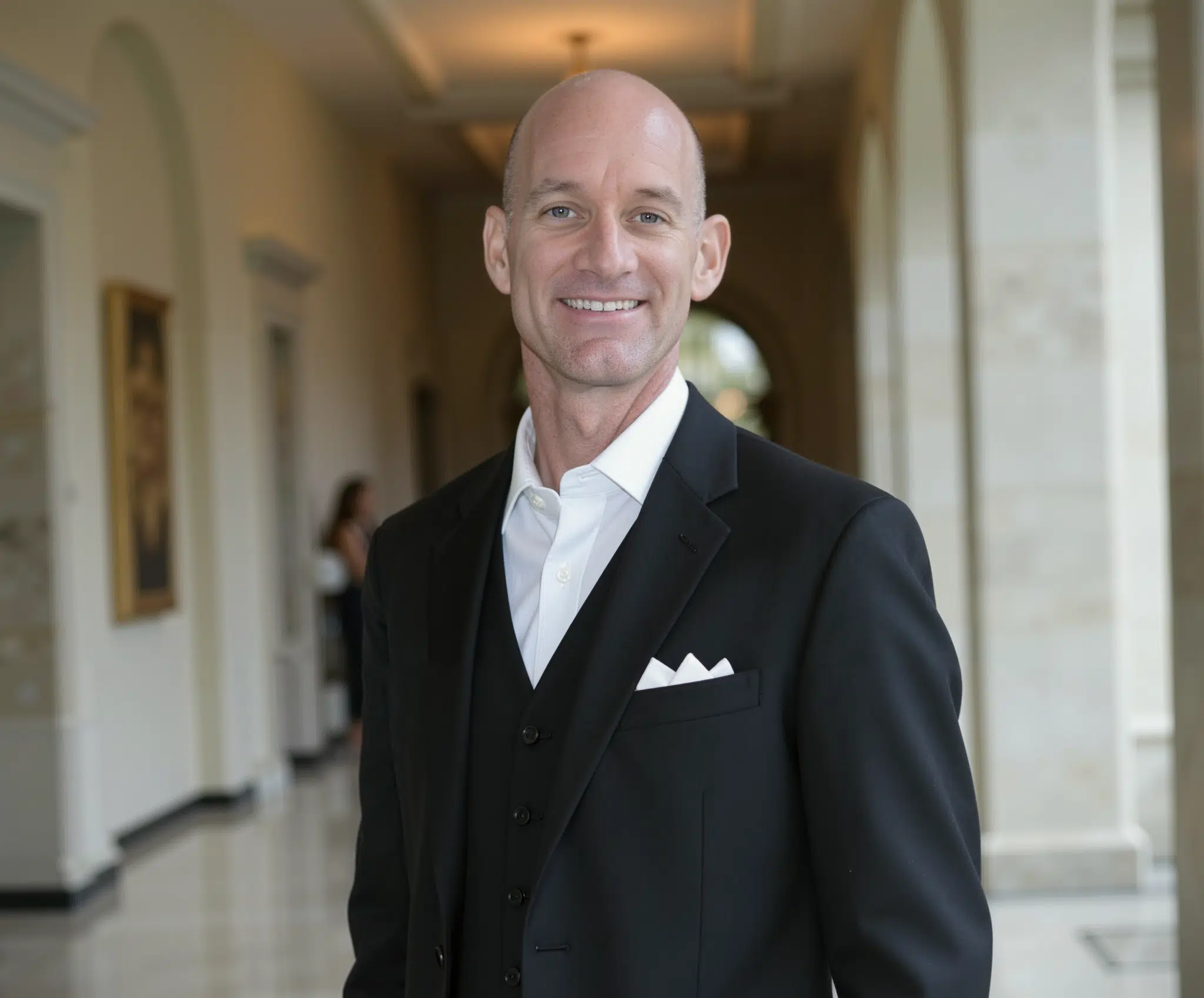
I have enjoyed serving as Medical Director at Alpine Recovery Lodge and working with a team that truly cares. Alpine has a strong approach. I value the trust within this leadership team and the way decisions are made thoughtfully. I believe in what we are doing here at Alpine. It is an honor to be part of a team that is committed to doing what’s right.
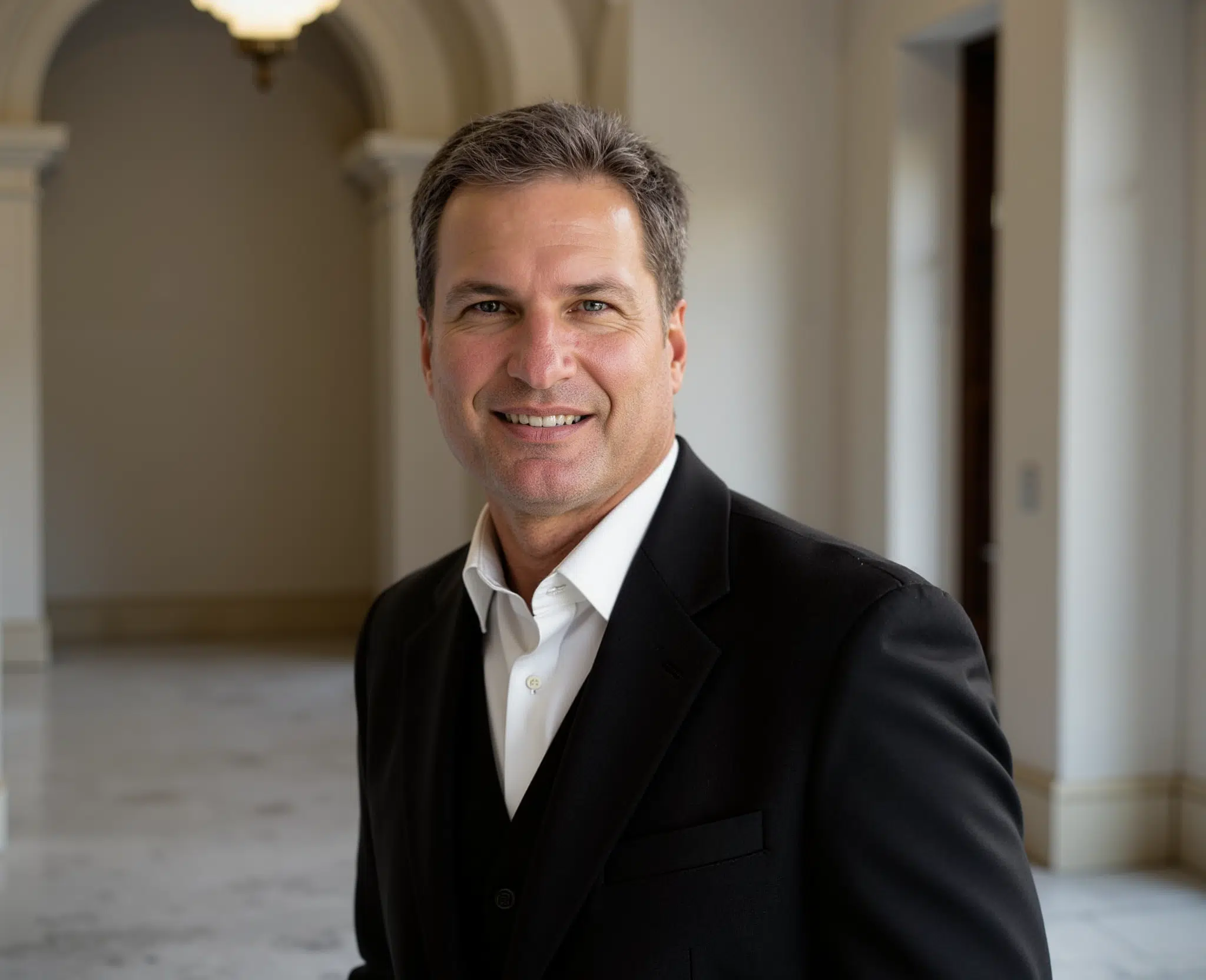
I have been working at Alpine Recovery Lodge as a medical physician since 2016. I enjoy working with our staff and helping our patients recover. We have a very strong team approach and are dedicated to helping people through some difficult times in their lives. It is the most rewarding position I have had in my 30 years as a physician.
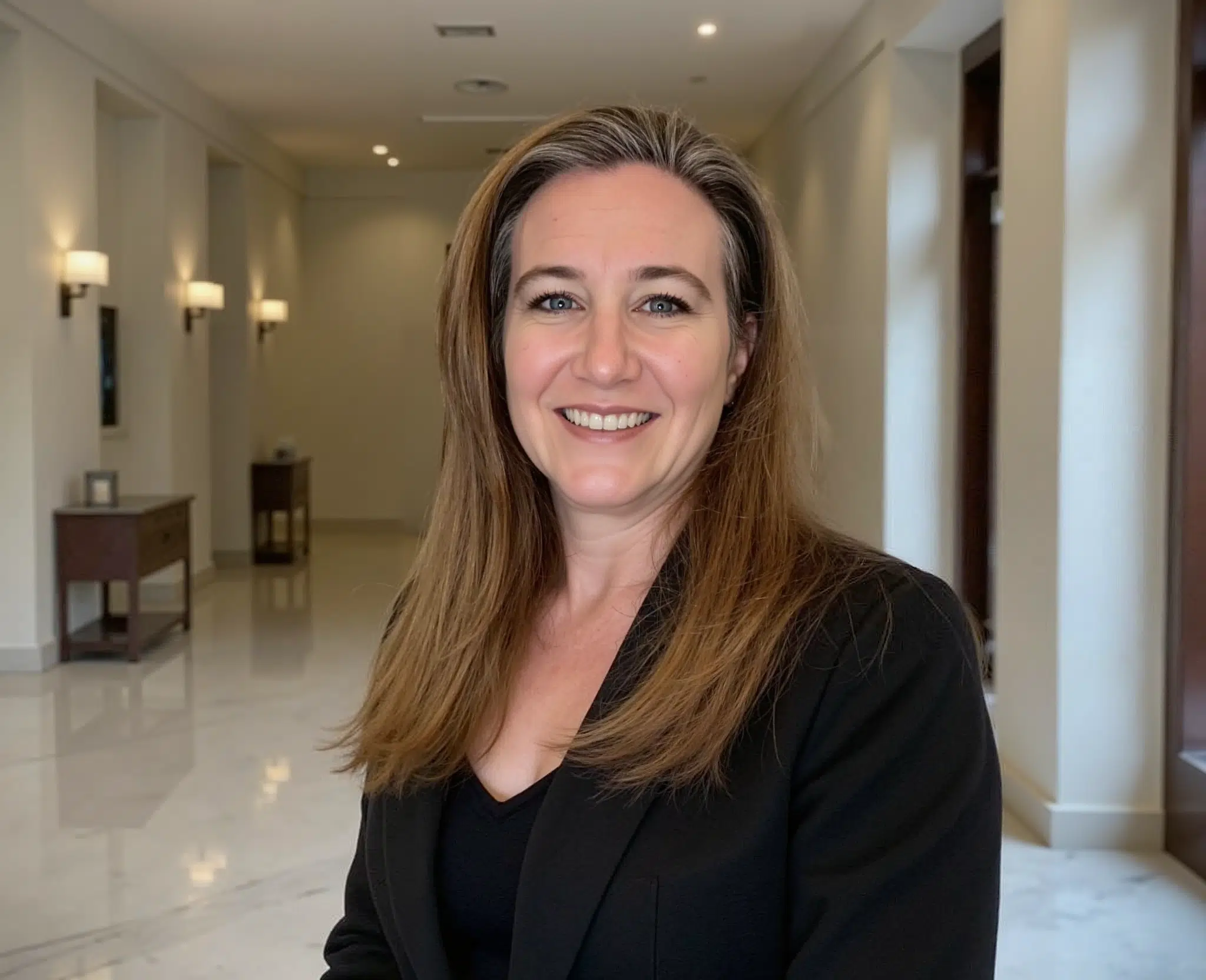
The work we do here at Alpine is unmeasurable. I love watching and helping people reach their goals through personal exploration, skills building, and confidence. The time spent at Alpine will never be forgotten and what you learn here you will take with you into all aspects of your life.
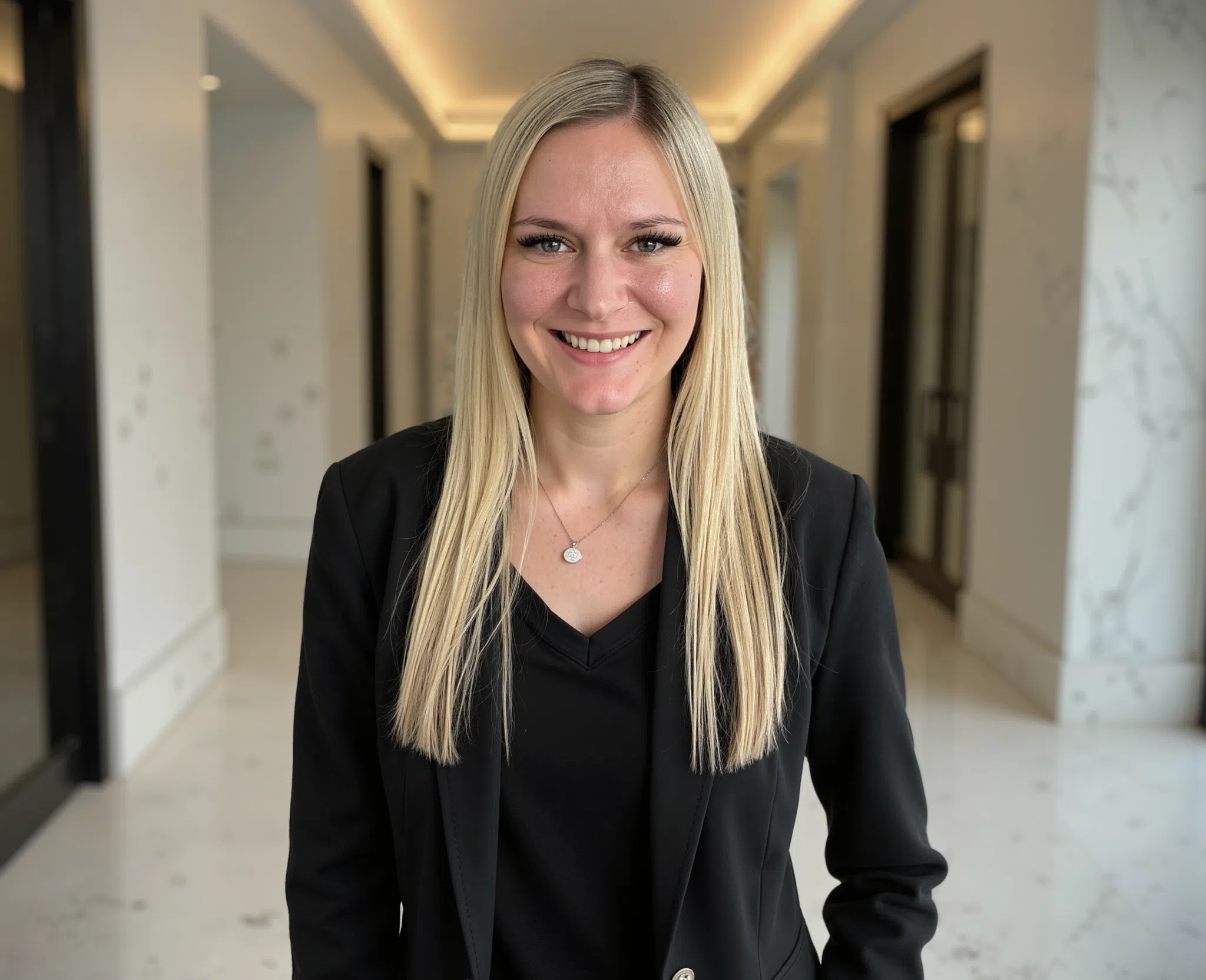
“I’ve been at Alpine Recovery Lodge since 2014, and I truly love what we do here. Our team is united, steady, and dedicated to helping residents feel safe, supported, and understood while they heal. It’s an honor to walk alongside people in hard moments and then see them rebuild their lives—step by step—with real hope for what comes next.”